

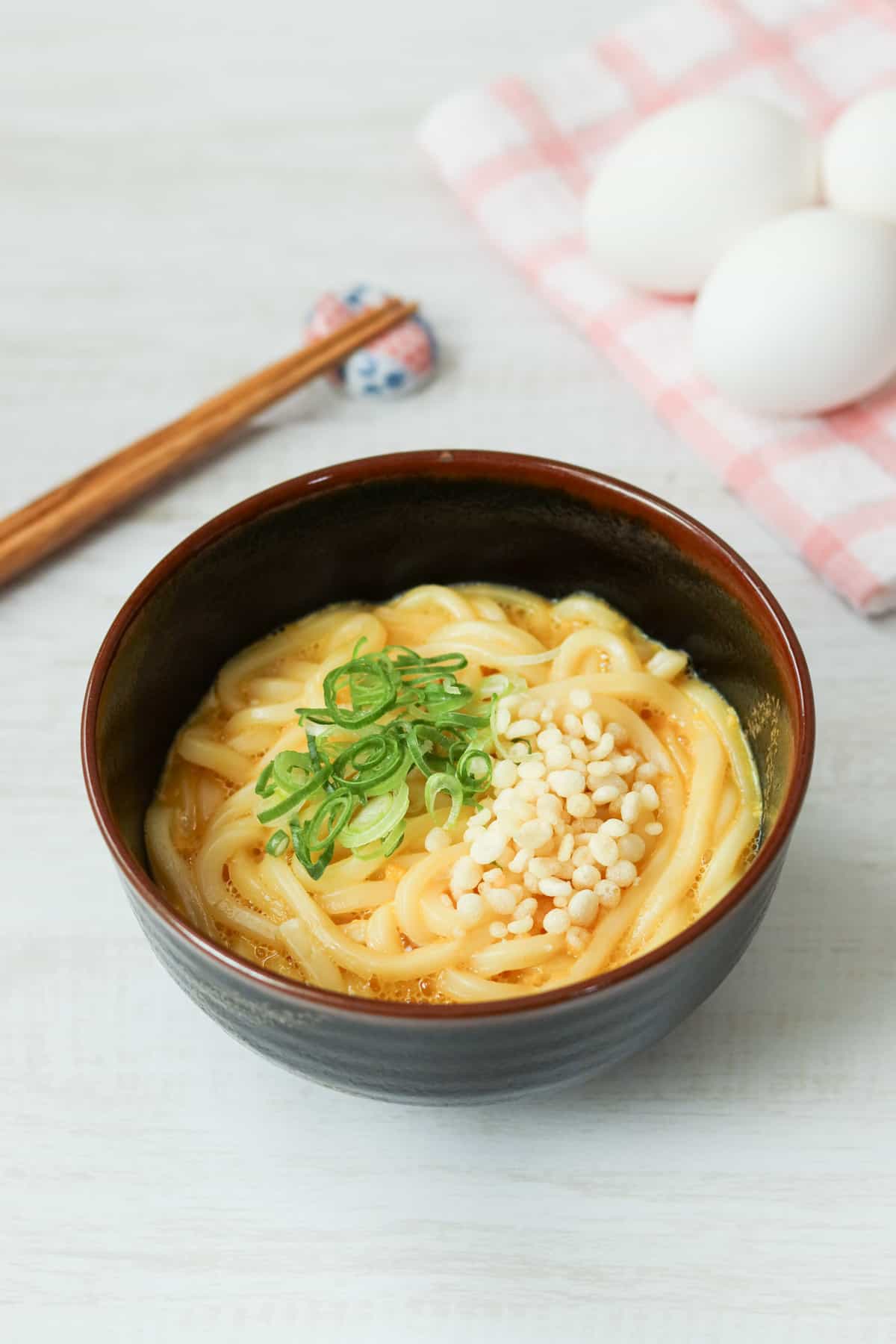
Kamatama Udon is one of the most popular udon dishes in Japan, offering a delightful harmony of egg and dashi-infused soy sauce. Despite its popularity, this delicious dish remains relatively unknown outside the country, so I hope it gains the recognition it deserves abroad.
Jump to:
What is Kamatama Udon?
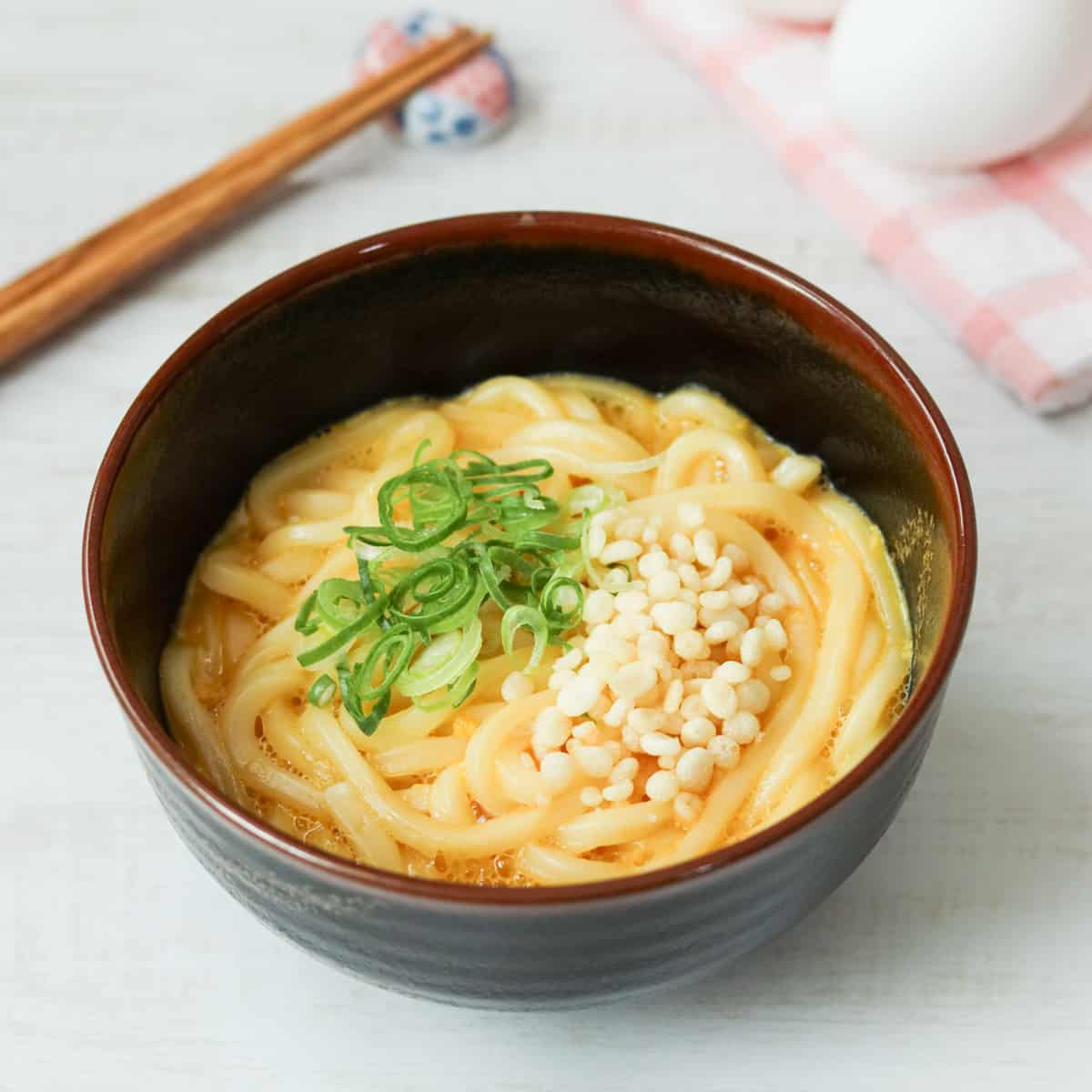
Kamatama Udon is a dish that consists of freshly boiled udon noodles mixed with egg and dashi soy sauce. "Kama" is short for "kamaage," referring to freshly boiled noodles, and "tama" is an abbreviation of "tamago," which means egg. Unlike typical udon soup dishes, this dish doesn't contain broth; instead, it is seasoned with egg and dashi soy sauce.
The combination of egg and dashi soy sauce is simply perfect, creating a uniquely irresistible flavor. Its creamy, rich texture beautifully coats the noodles. Once you try it, you will be captivated by its comforting flavor.
Egg options
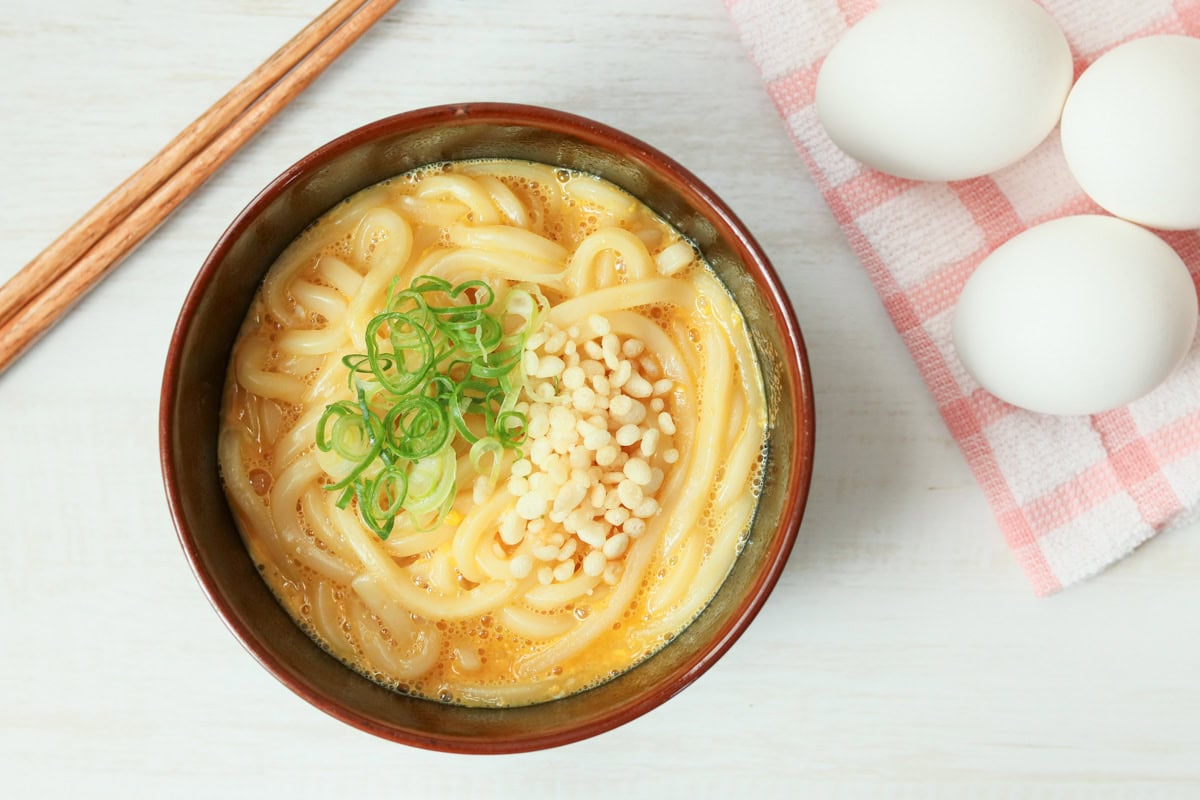
There are three common egg choices for making kamatama udon: whole eggs, egg yolks, and onsen tamago (Japanese hot spring eggs).
When using whole eggs, they become partially cooked by the heat of the noodles during the mixing process. Whether to use only the yolk is entirely a matter of personal preference, though it is recommended if you prefer a richer egg flavor.
Using onsen tamago slightly changes the flavor, making it a great option for those who are hesitant about eating raw or undercooked eggs. This variation is sometimes referred to as "Ontama Udon" (udon mixed with onsen tamago).
In Japan, eggs that are safe to eat raw are widely available, so using whole eggs is the most common way to prepare this dish. Because of the combination of raw egg and udon noodles, it is sometimes described as the udon version of spaghetti carbonara.
The balance between the partially cooked egg mixture and dashi soy sauce creates a truly exceptional flavor, so don't hesitate to give it a try.
The role of dashi soy sauce
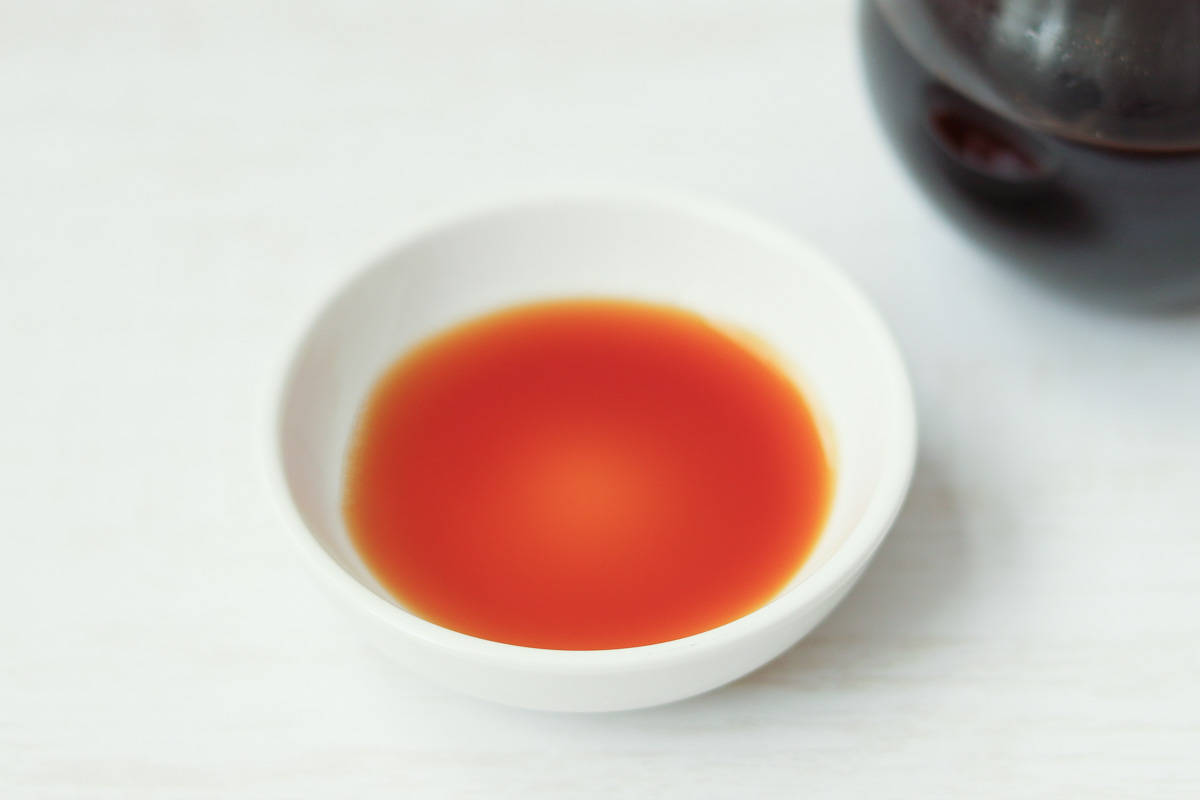
Another key ingredient that brings out the flavor of kamatama udon is dashi soy sauce. As the name suggests, dashi soy sauce is made by infusing soy sauce with dashi stock. It has a lower sodium content than regular soy sauce while providing a rich umami flavor.
Adding dashi gives soy sauce an irresistible depth and complexity of flavor. Although store-bought versions are available at Asian markets, it is easy to make at home. If you don't have any on hand, I encourage you to try making your own by following the dashi soy sauce recipe here.
Common toppings
By adding toppings, you can enjoy this dish with a variety of flavors. There are several toppings that pair well with kamatama udon, including:
- Green onions (scallions)
- Tenkasu (tempura bits)
- Shredded nori seaweed
- Shaved bonito flakes (katsuobushi)
- Grated ginger
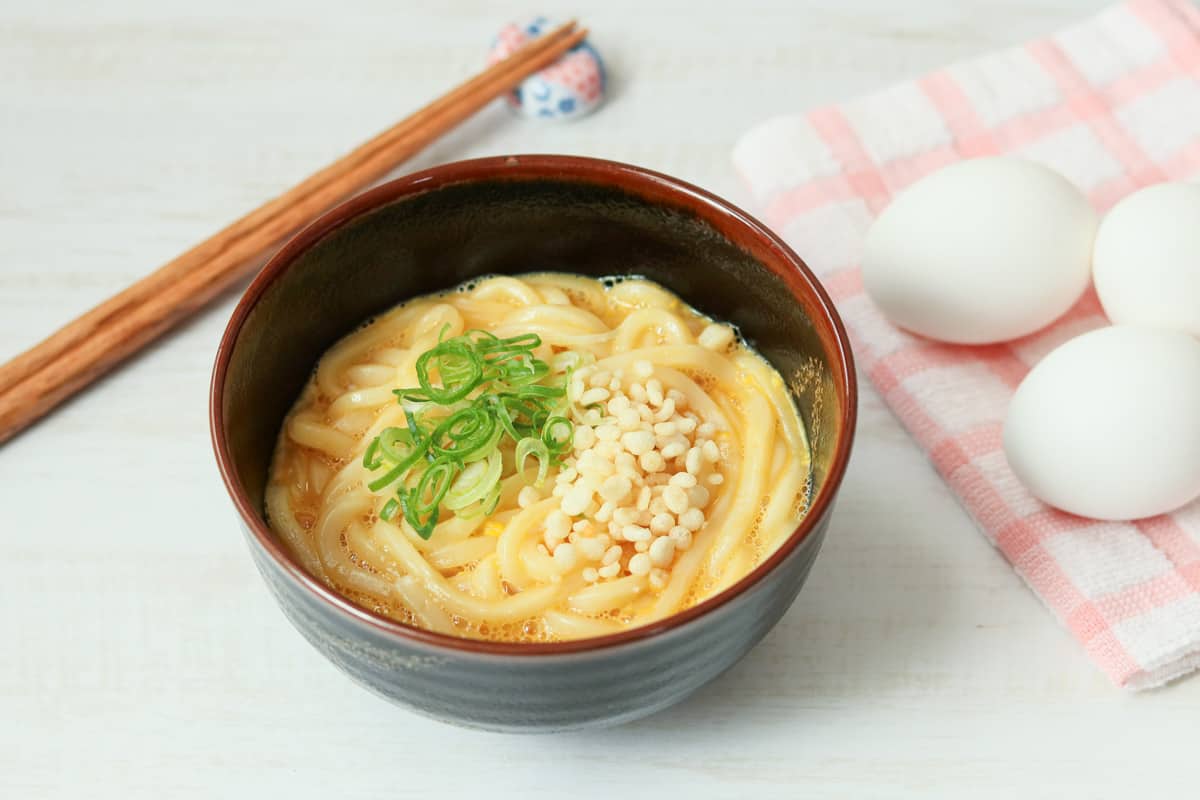
These toppings are optional, so feel free to add whichever ones suit your taste. Personally, I always go for green onions and tenkasu. If you had to choose just one, I highly recommend green onions, as they add a pop of color and a pleasant contrast in texture.
📋Step-by-step recipe
Ingredients
- 1 serving udon noodles (fresh, dried, pre-cooked, or frozen)
- 1 pasteurized egg, pasteurized egg yolk, or onsen tamago (Japanese hot spring egg)
- ¾ Tbsp dashi soy sauce (You can substitute regular soy sauce, though the flavor will be slightly different.)
Toppings (optional):
- green onions / scallions (thinly sliced)
- tenkasu (tempura bits)
Instructions
🕒 Total: 10 mins
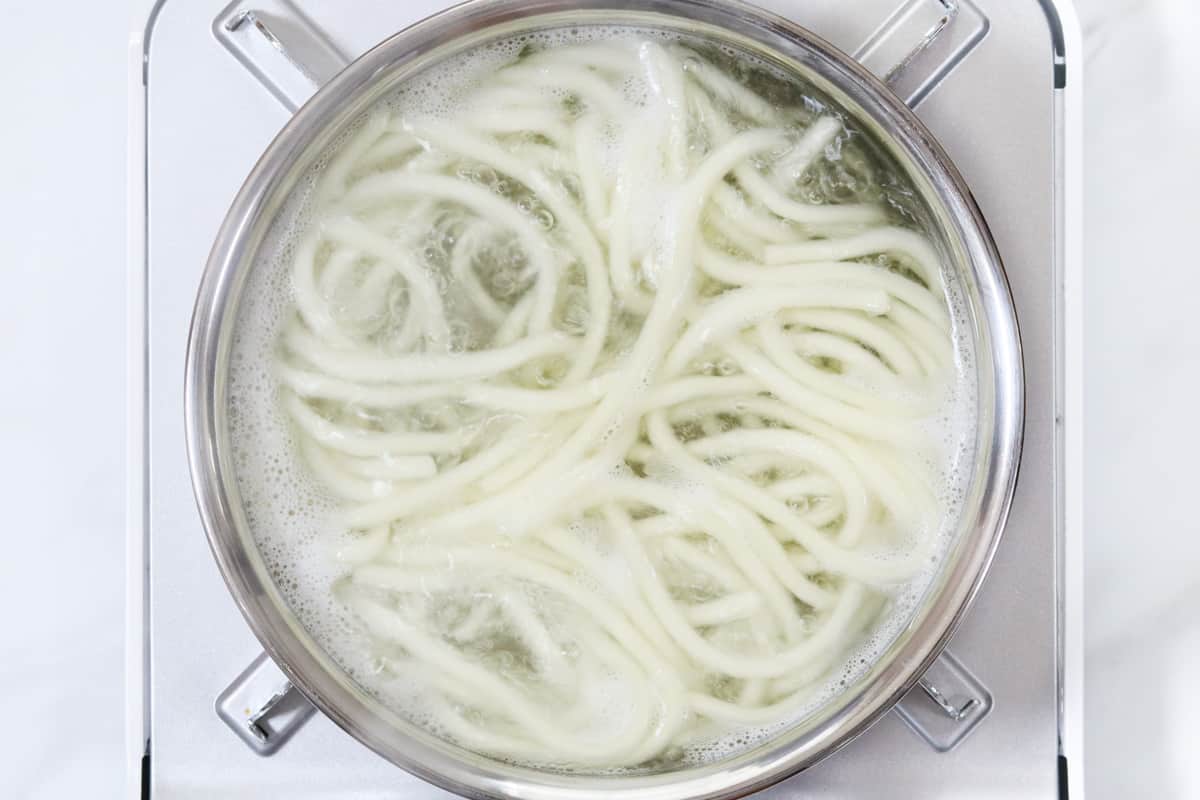
Step 1
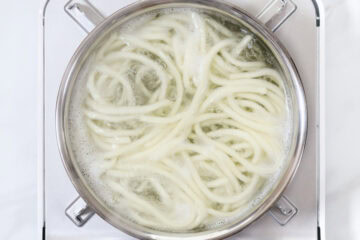
Boil the udon noodles in plenty of water in a pot according to the package instructions.
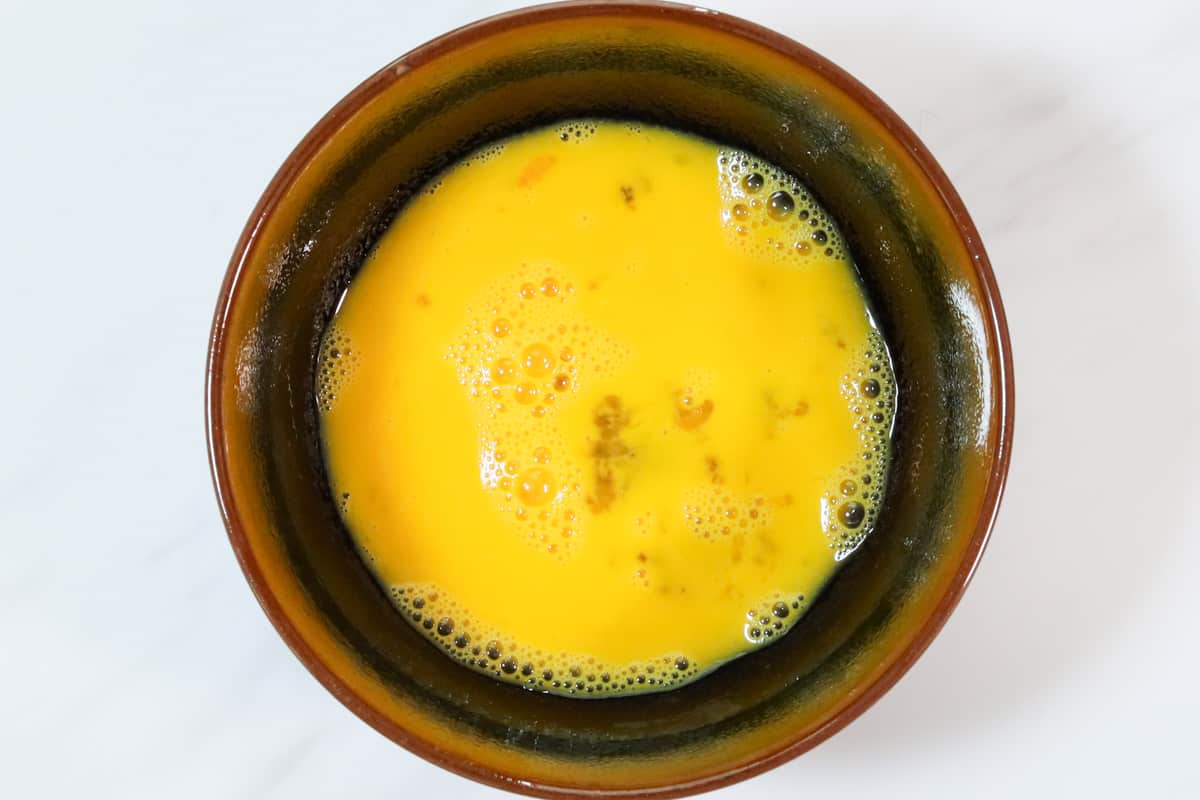
Step 2
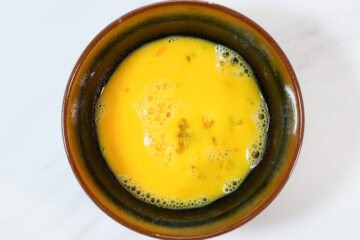
Crack the egg into a bowl and beat it.
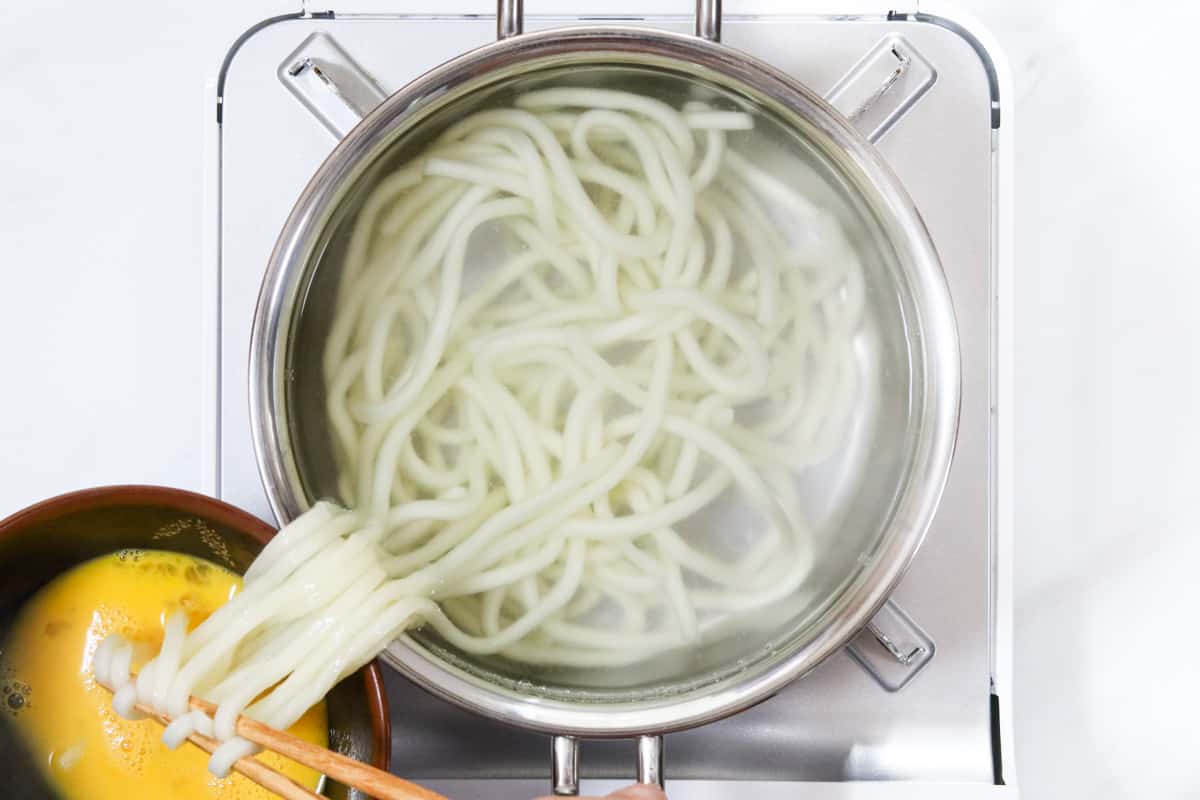
Step 3
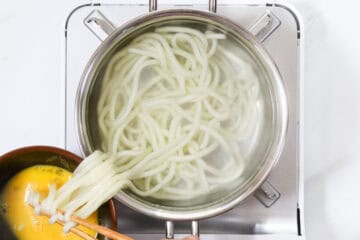
Transfer the cooked udon noodles directly from the pot to the bowl with the beaten egg, being careful not to transfer too much boiling water. Then, quickly mix them together.
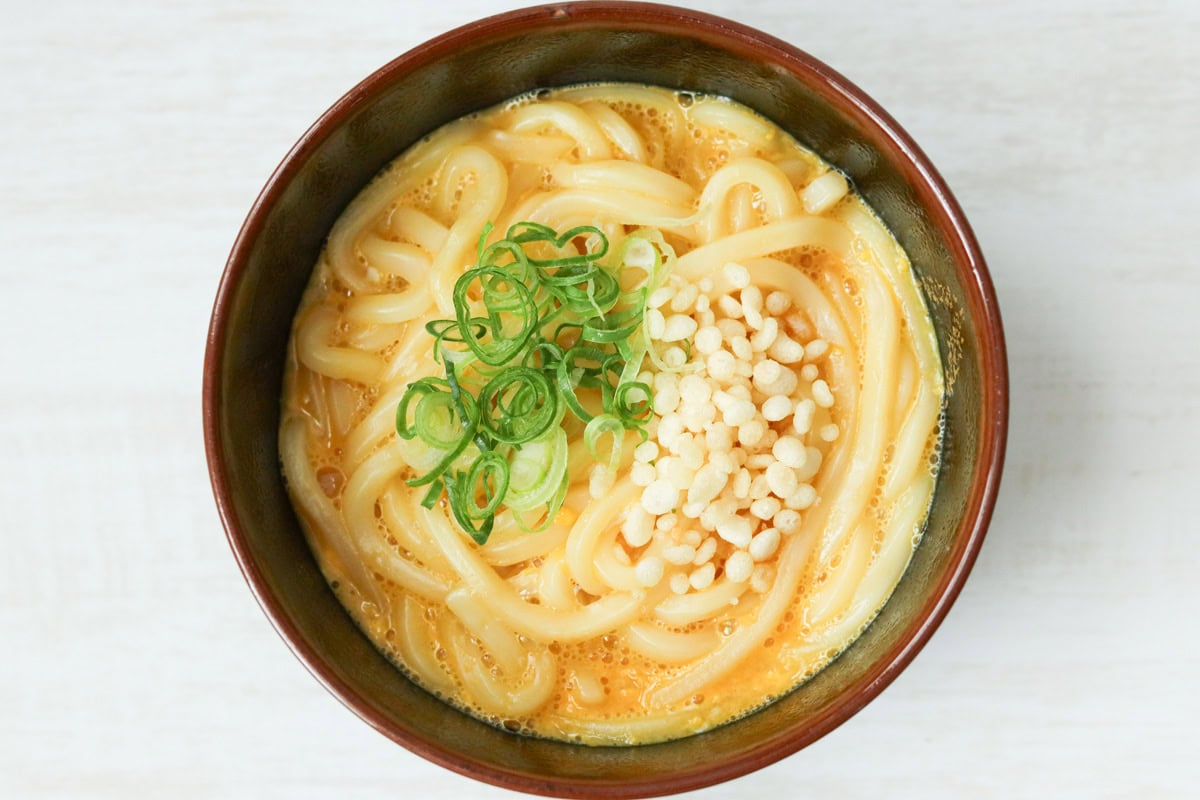
Step 4
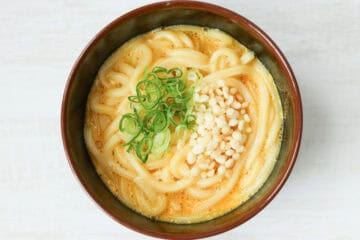
Drizzle with dashi soy sauce and mix again. Top with green onions and tenkasu to taste.
How to store
This dish is not suitable for storage. Please consume it as soon as possible.
Cooking tips
- Transfer the boiled udon noodles directly from the pot to the bowl without draining them in a colander. This allows you to quickly mix the noodles with the beaten egg while they are still piping hot, resulting in the egg becoming partially cooked.
- Although not essential, letting the egg sit at room temperature for about 30 minutes beforehand or preheating the bowl can help the egg become partially cooked more easily.
Food safety note
This dish is not suitable for pregnant women, older adults, young children, or people with weakened immune systems, as the egg is not fully cooked. Please avoid consuming it if you belong to any of these groups.
I hope you enjoy this recipe!
If you try it, I’d love to hear how it turned out. Please leave a review 💬 and a star rating ⭐ in the comment below. Your support and feedback means so much to me!
More egg recipes you'll love

Printable Recipe Card
Kamatama Udon (Udon Mixed with Raw Egg)
Ingredients
- 1 serving udon noodles (fresh, dried, pre-cooked, or frozen)
- 1 pasteurized egg, pasteurized egg yolk, or onsen tamago (Japanese hot spring egg)
- ¾ Tbsp dashi soy sauce (You can substitute regular soy sauce, though the flavor will be slightly different.)
Toppings (optional):
- green onions / scallions (thinly sliced)
- tenkasu (tempura bits)
Instructions
- Boil the udon noodles in plenty of water in a pot according to the package instructions.

- Crack the egg into a bowl and beat it.
- Transfer the cooked udon noodles directly from the pot to the bowl with the beaten egg, being careful not to transfer too much boiling water. Then, quickly mix them together.
- Drizzle with dashi soy sauce and mix again. Top with green onions and tenkasu to taste.
Notes
- This dish is not suitable for storage. Please consume it as soon as possible.
- This dish is not suitable for pregnant women, older adults, young children, or people with weakened immune systems, as the egg is not fully cooked. Please avoid consuming it if you belong to any of these groups.
Leave a Rating and a Comment