
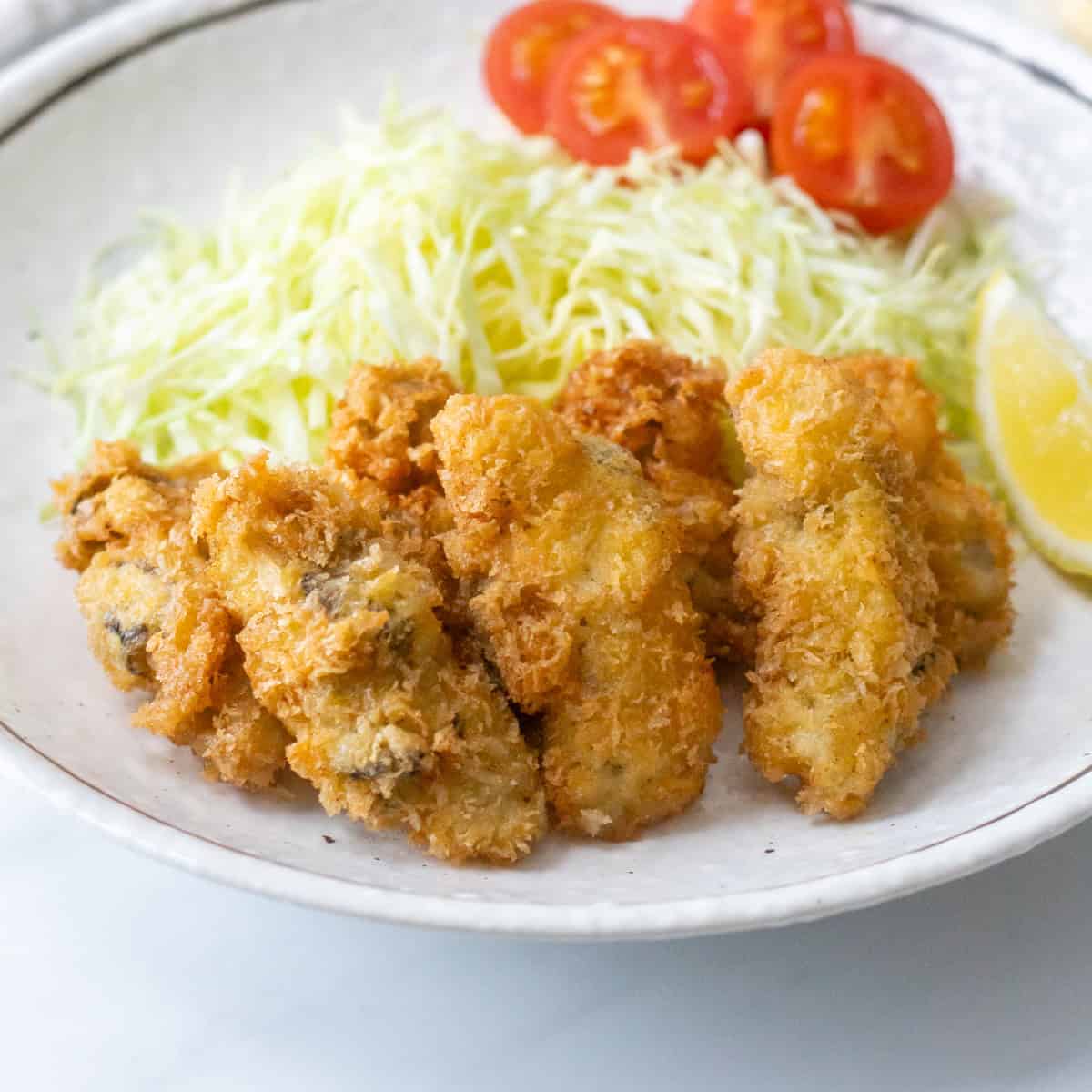
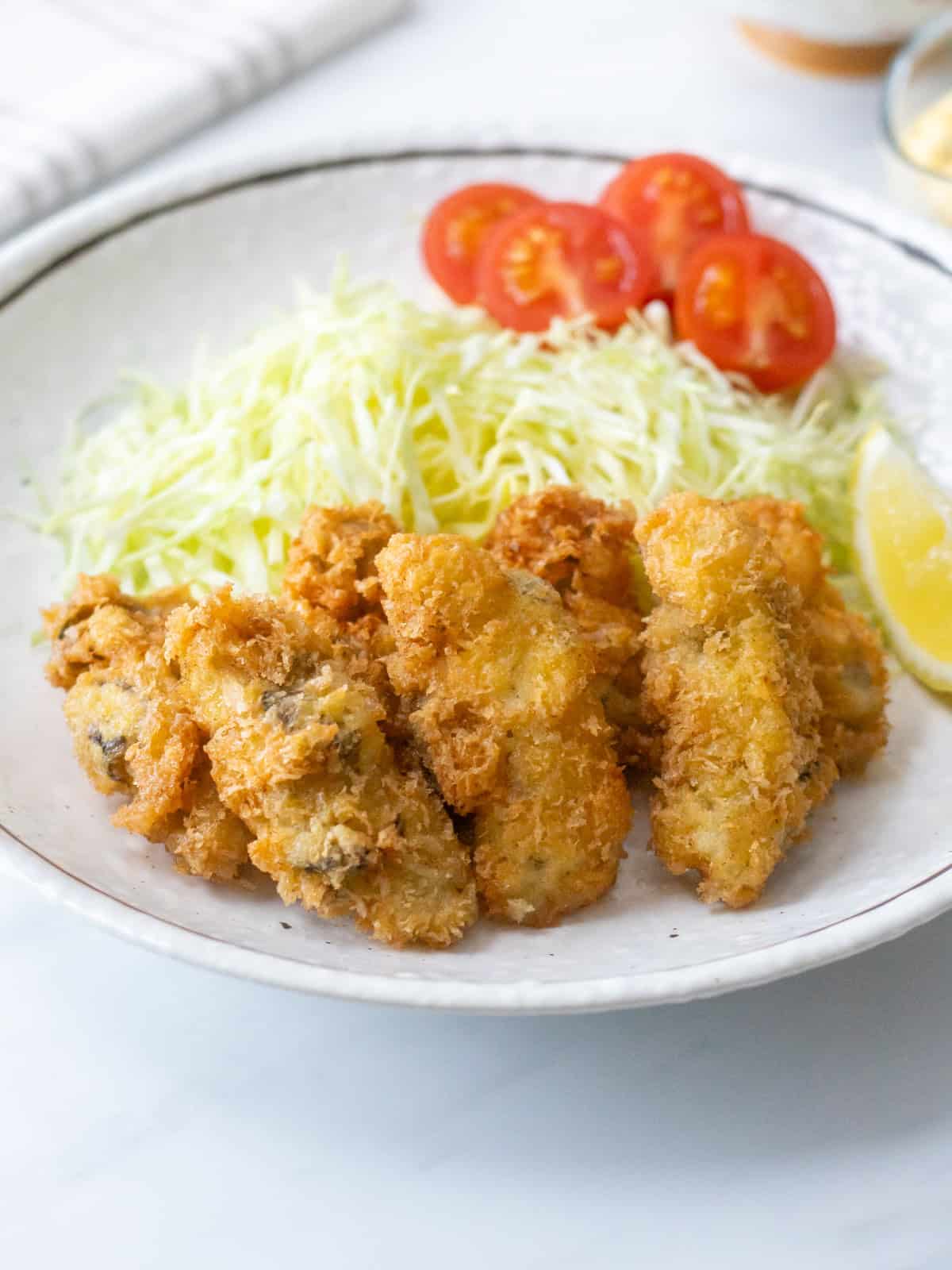
Crispy on the outside and bursting with the umami-rich flavor of oysters on the inside, Kaki Fry is a hugely popular dish in Japan. With every bite, the savory crunch of the coating and the briny aroma of the sea fill your mouth, offering a completely different way to enjoy oysters. It is especially worth trying when oysters are in season.
Jump to:
What is Kaki Fry?
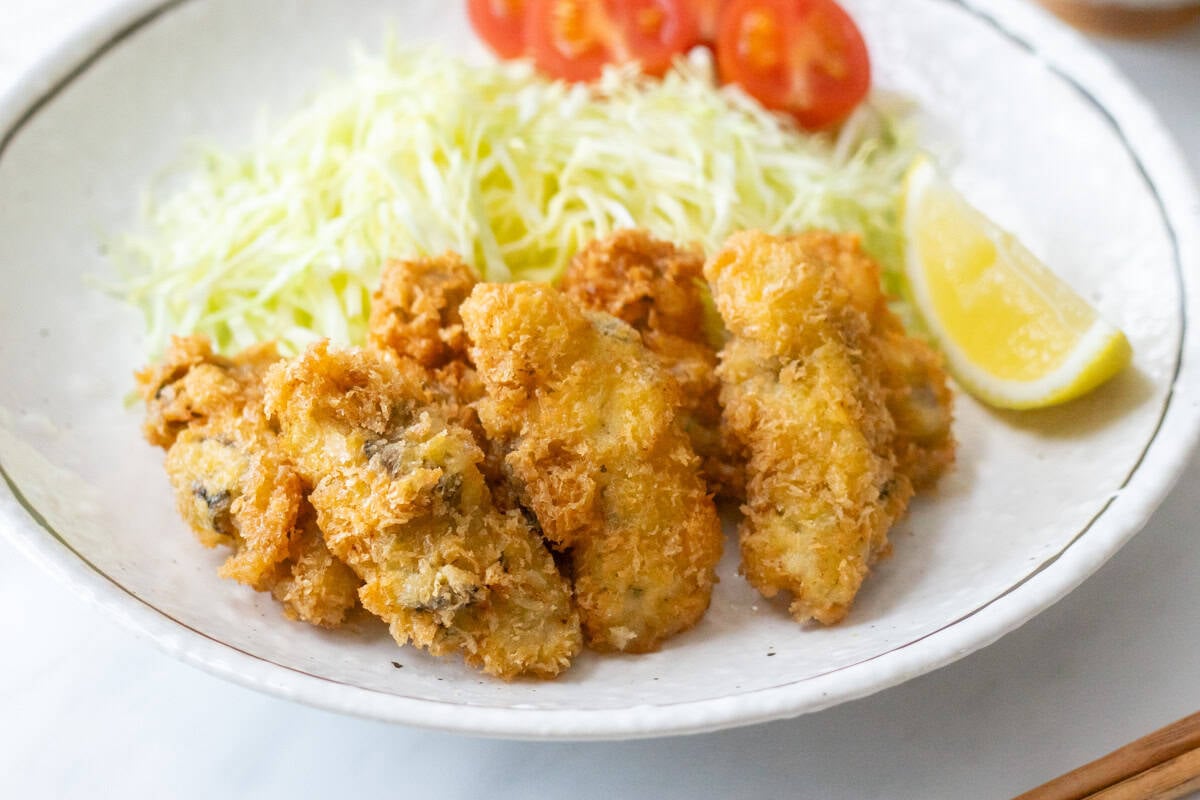
Kaki Fry (also known as Kaki Furai) is a Japanese fried dish made by breading oysters and deep-frying them. "Kaki" means oyster, and "Fry (or Furai)" comes from the English word "fry," but in Japan, it refers specifically to food that has been breaded and deep-fried. By coating the oysters with a crust, you can enjoy a perfect contrast: crispy on the outside and juicy on the inside.
The combination of the savory aroma of the fried coating and the oysters' umami-rich flavor offers a distinct appeal compared to raw, grilled, or steamed oysters. It is widely known as one of the most popular ways to enjoy oysters in Japan. You can enjoy it as is, or add your favorite condiments for extra flavor.
Among fried dishes, it is relatively easy to make and hard to mess up as long as you follow a few key points. I encourage you to try making this flavorful Japanese dish at home and experience the rich umami of oysters in a whole new way.
How to bread oysters for Kaki Fry
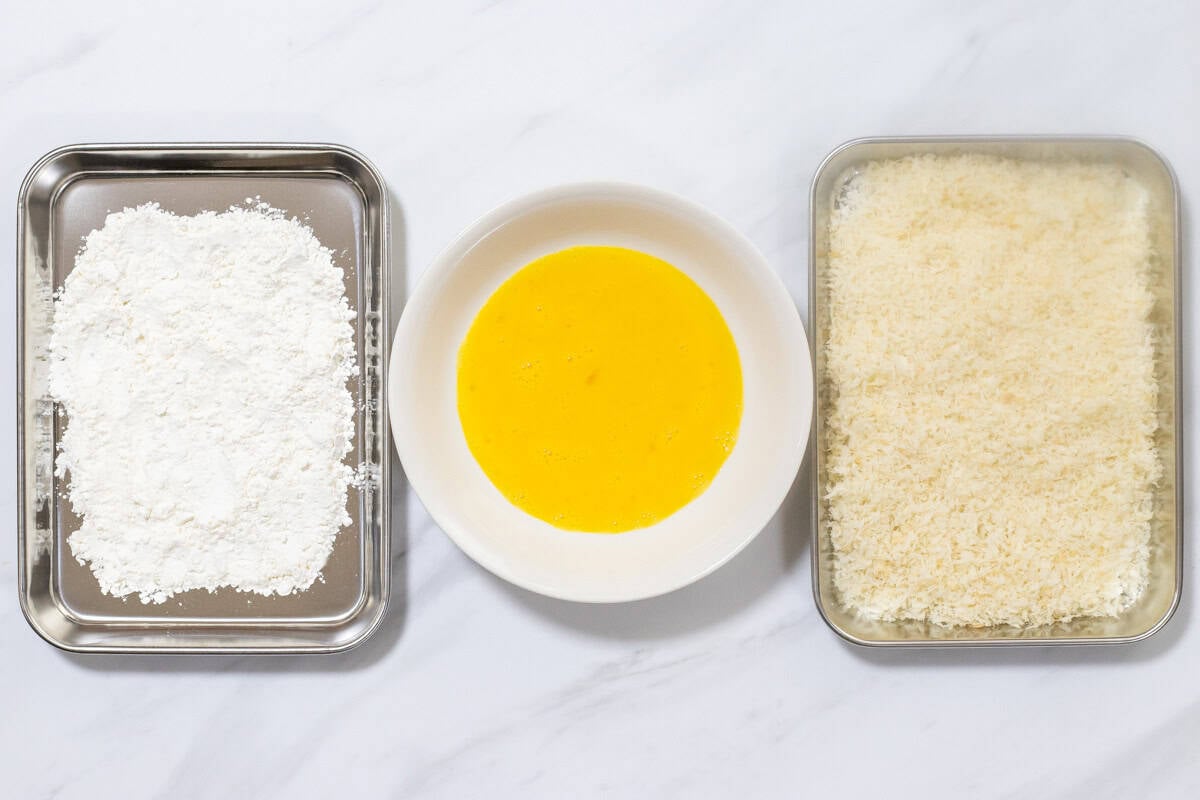
In Japan, dishes known as "fry (furai)" or "katsu"—including kaki fry—are typically prepared by breading the following ingredients in this order:
- Wheat flour
- Beaten eggs
- Panko breadcrumbs
The first step of applying flour absorbs excess moisture from the ingredients being fried while drying their surface. It acts as the base for the breading, allowing the egg to adhere evenly.
The beaten eggs serve as a binder between the flour and the breadcrumbs, as their proteins set when fried. They also add richness and flavor to the crust.
Panko breadcrumbs provide texture to the coating. They create a thicker, crispier crust compared to Western-style breadcrumbs.
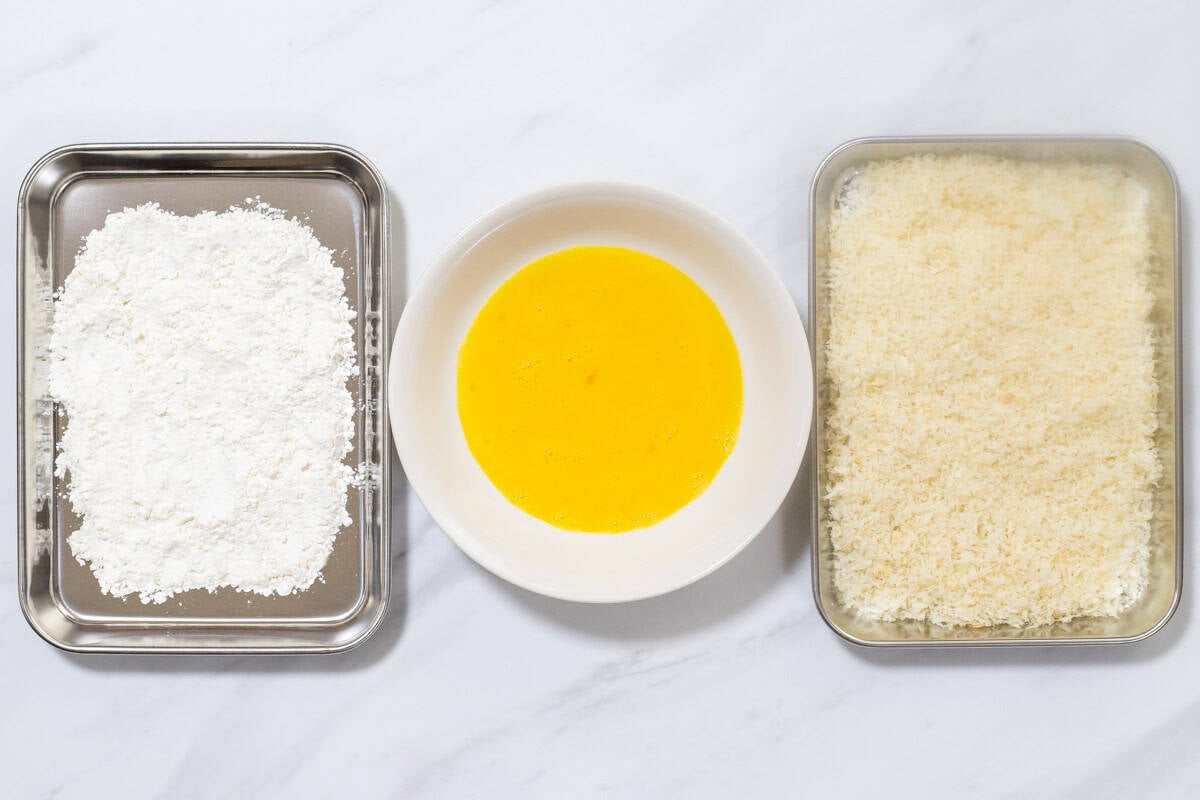
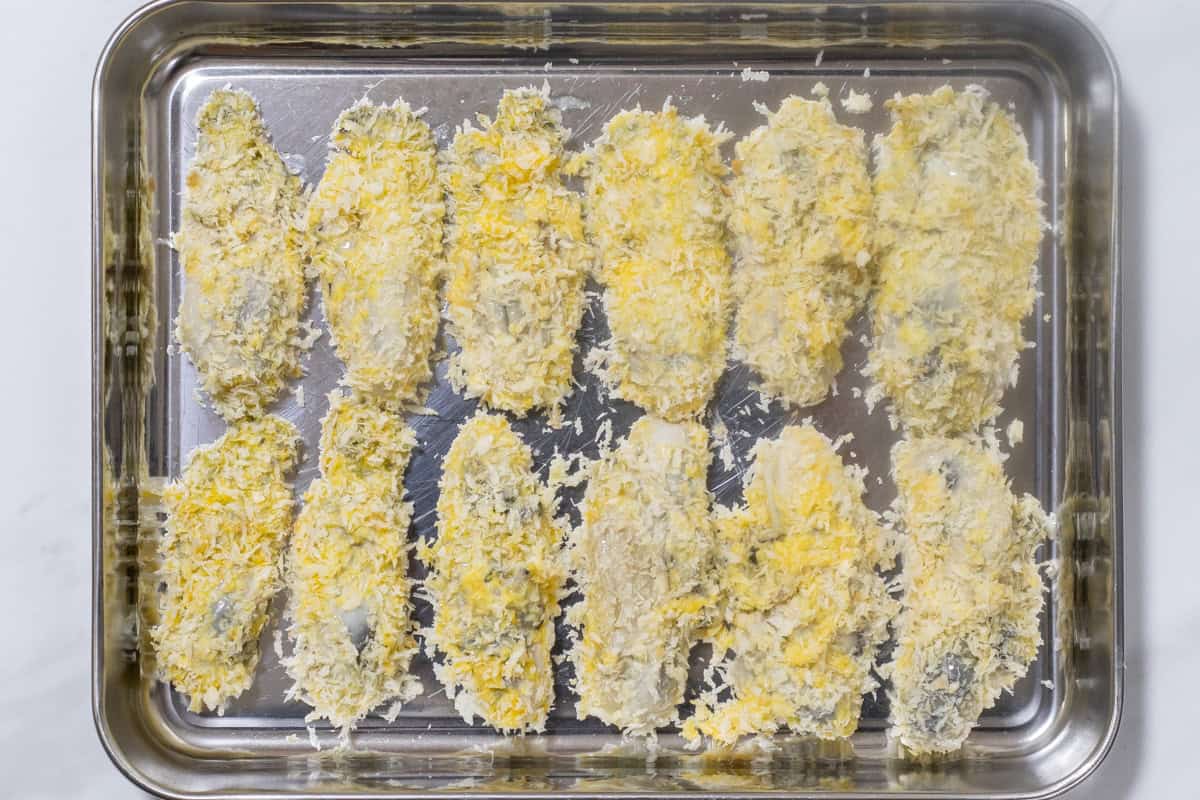
For anyone who has made Japanese "fry (furai)" or "katsu" before, these ingredients should all be familiar. When making kaki fry, the oysters are breaded with each ingredient in sequence.
Once breaded, let them rest briefly so that the breading adheres well, then deep-fry them in oil heated to around 340℉ (170℃) until golden brown. Before you know it, the dish will be ready to serve.
Tips for making perfect Kaki Fry
You can make kaki fry, but the coating may turn out soggy—or the oysters may smell fishy or shrink too much. These are common mistakes when making kaki fry, and if that happens, you can’t really say you have brought out the best in the dish. To get the best result, keep the following tips in mind.
- Wash the oysters gently in a 3% saltwater solution.
Before breading the oysters, gently wash off any debris or residue from their surface. While washing isn't always necessary when eating oysters raw (as it can make them taste watery), it is recommended for kaki fry because it helps remove any fishy odors.
Using a 3% saltwater solution (about 1 ounce / 30 g of salt per quart / liter of water) instead of plain water mimics the natural seawater environment where the oysters lived. Unlike plain water, this prevents the oysters from absorbing excess water during washing and losing their natural umami flavor. However, after washing, lightly rinse the oysters under running water to remove any remaining salt.
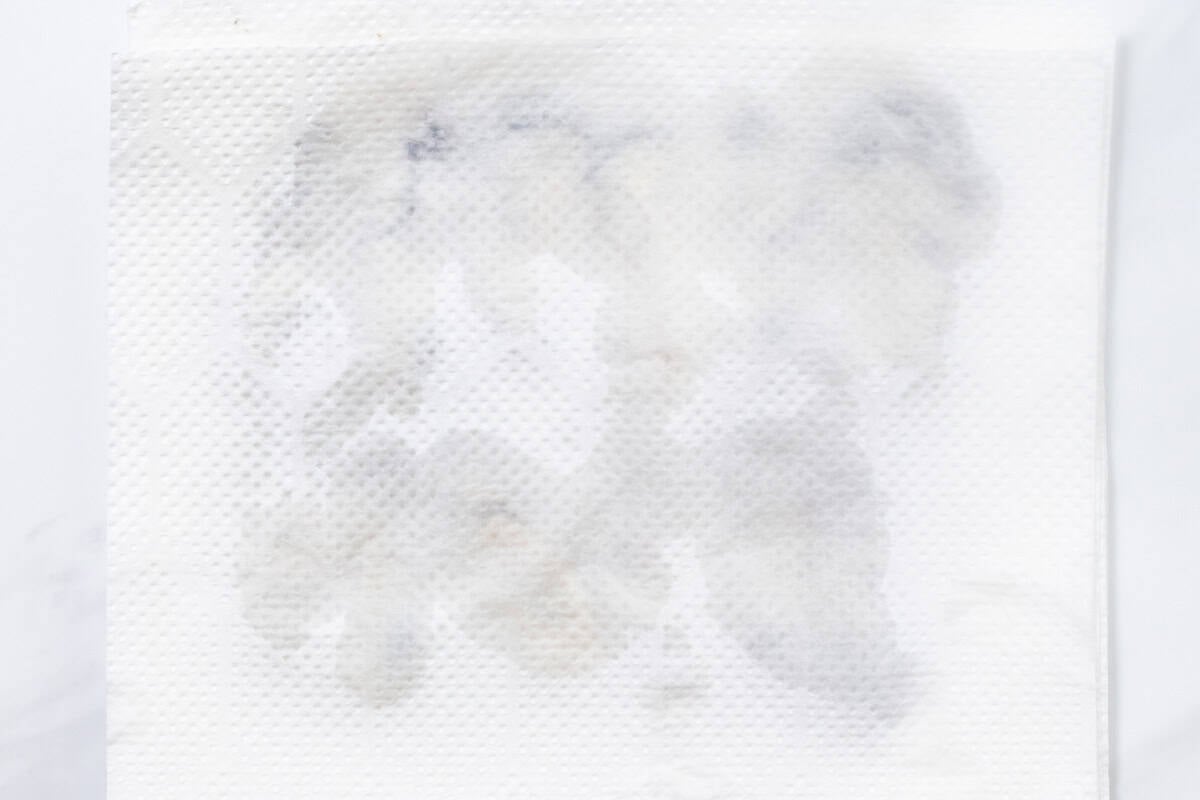
- Pat the oysters dry.
Once washed, drain the oysters in a colander and gently pat them dry with paper towels. If excess moisture remains, it won’t fully evaporate during frying, resulting in a soggy coating or causing the oysters to burst. It might seem like a small step, but it is actually very important for the best result.
- Don’t overcook the oysters.
Frying oysters for kaki fry takes about 3 minutes. Cooking them much longer than that can cause them to shrink or even break open. Keep a close eye on the timing to ensure they stay juicy and tender.
Suggested condiments
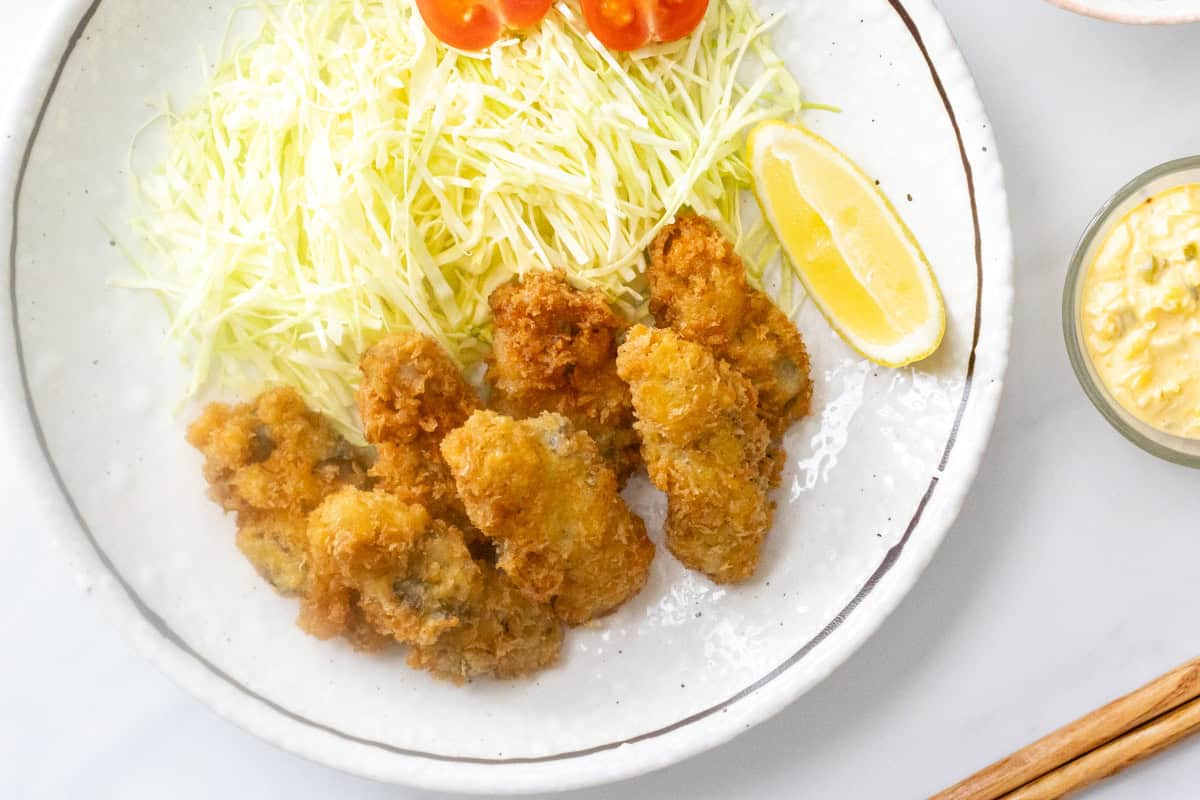
The kaki fry you made is delicious on its own, but it can also be enjoyed with a variety of condiments, such as:
- Lemon wedges
- Japanese tartar sauce
- Worcestershire sauce
All of these are classic condiments commonly served with kaki fry. Feel free to try different combinations depending on your taste or mood. It might also be fun to experiment with condiments from your own region.
📋Step-by-step recipe
Ingredients
- 8.5 oz oysters
- 1 qt water (for washing oysters)
- 1 ⅔ Tbsp salt (for washing oysters)
- about 1 inch (3 cm) of neutral oil in a pot (for deep-frying)
For breading:
- 3 Tbsp all-purpose flour (plain flour)
- 1 small egg (about 1.5 oz/42 g, including shell)
- ⅔ cup panko breadcrumbs
Instructions
🕒 Total: 30 mins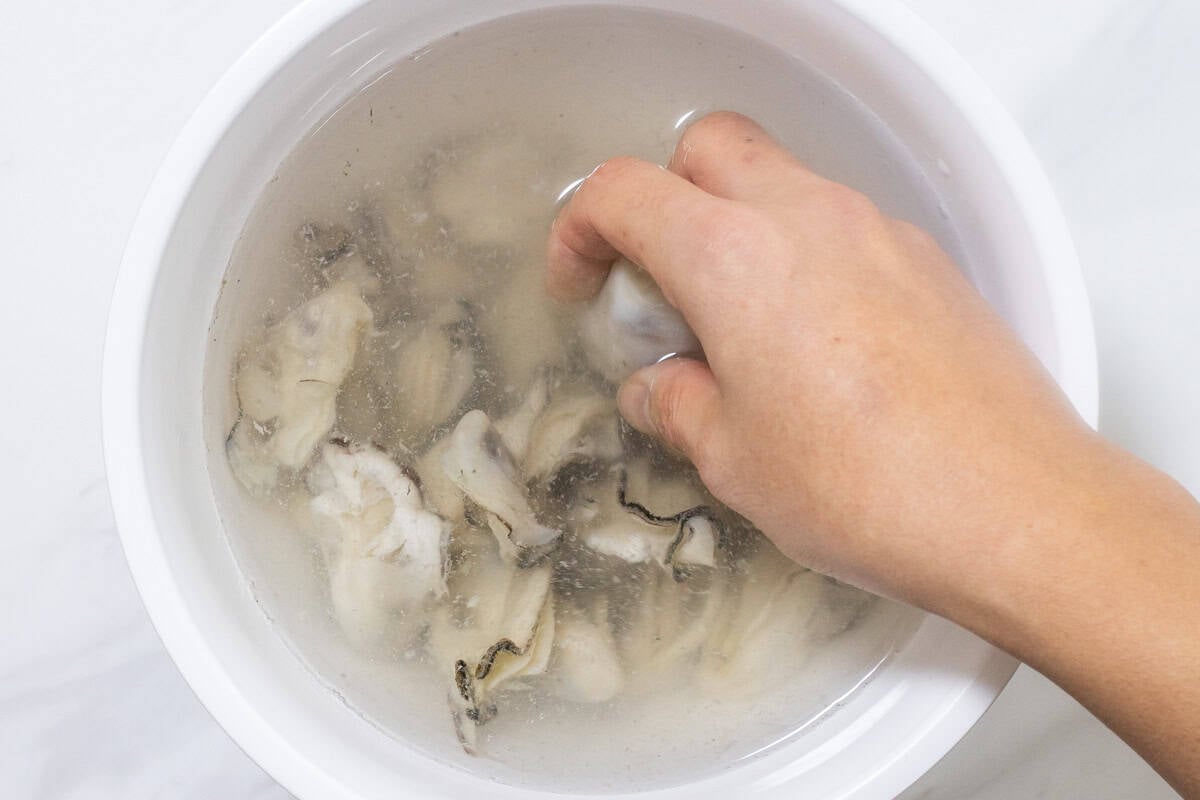
Step 1
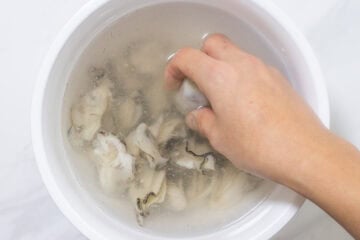
Add salt and water to a bowl and mix. Add oysters and gently rub each one to clean them.
Step 2
Drain the oysters in a colander and lightly rinse them under running water. Pat them dry thoroughly with paper towels.
Step 3
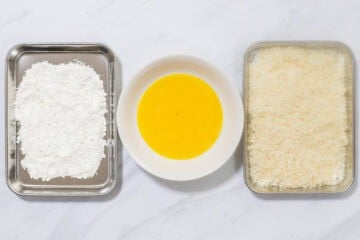
Crack the egg into a bowl and beat it. Prepare two containers, one with flour and the other with panko breadcrumbs.
Step 4
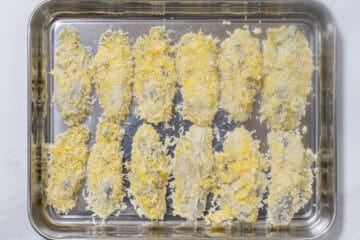
Coat the oysters in this order: flour, beaten egg, and panko breadcrumbs. Once the flour is applied, gently shake off any excess with your hands. After coating all the oysters, let them sit for about 10-15 minutes to allow the breading to set.
Step 5
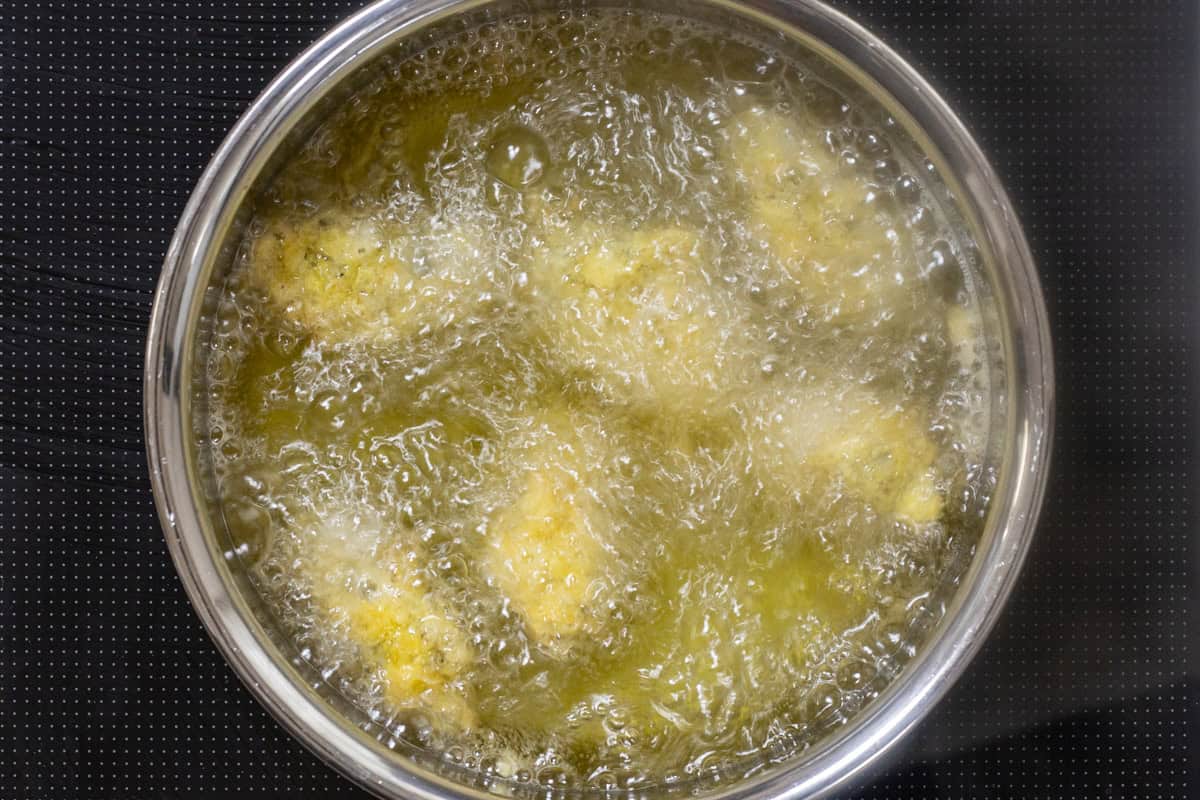
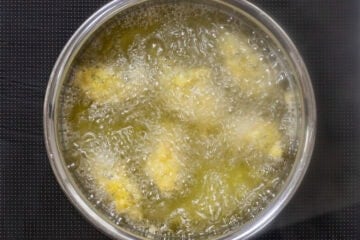
Heat oil in a pot to 340℉ (170℃). Once the oil is hot, carefully add the oysters one at a time. Deep-fry them for about 3 minutes until they turn golden brown, flipping them once halfway through.
Be careful not to add too many pieces at once, as this can cause the oil temperature to drop significantly. The oysters should occupy no more than about two-thirds of the oil’s surface area.
If you don't have a thermometer, drop a few panko breadcrumbs into the oil to test the temperature. When the breadcrumbs float to the surface at a moderate speed without touching the bottom, it indicates that the oil is ready.
Step 6
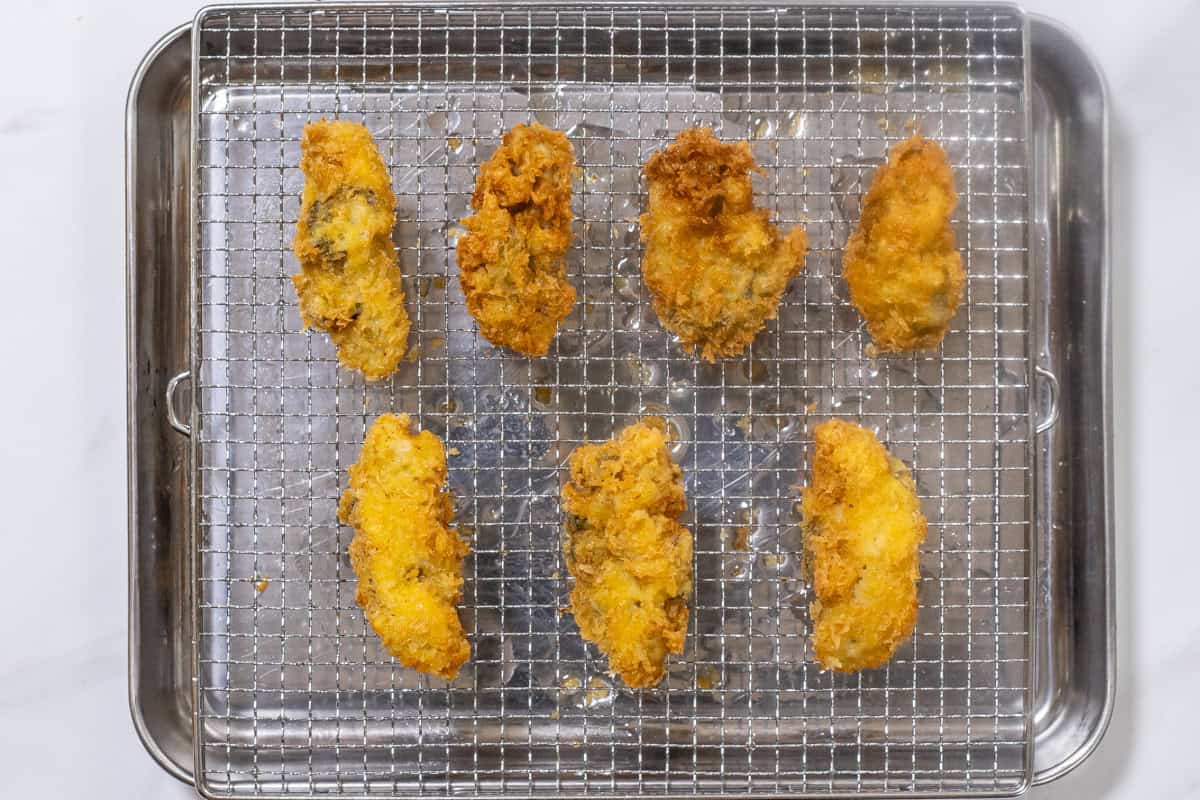
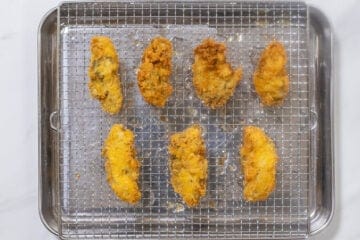
Remove the oysters from the oil and let them drain on a wire rack. If there are any fried bits left in the oil, skim them out with a mesh skimmer or strainer, then repeat the frying process (step 5) until all the oysters are fried.
Step 7
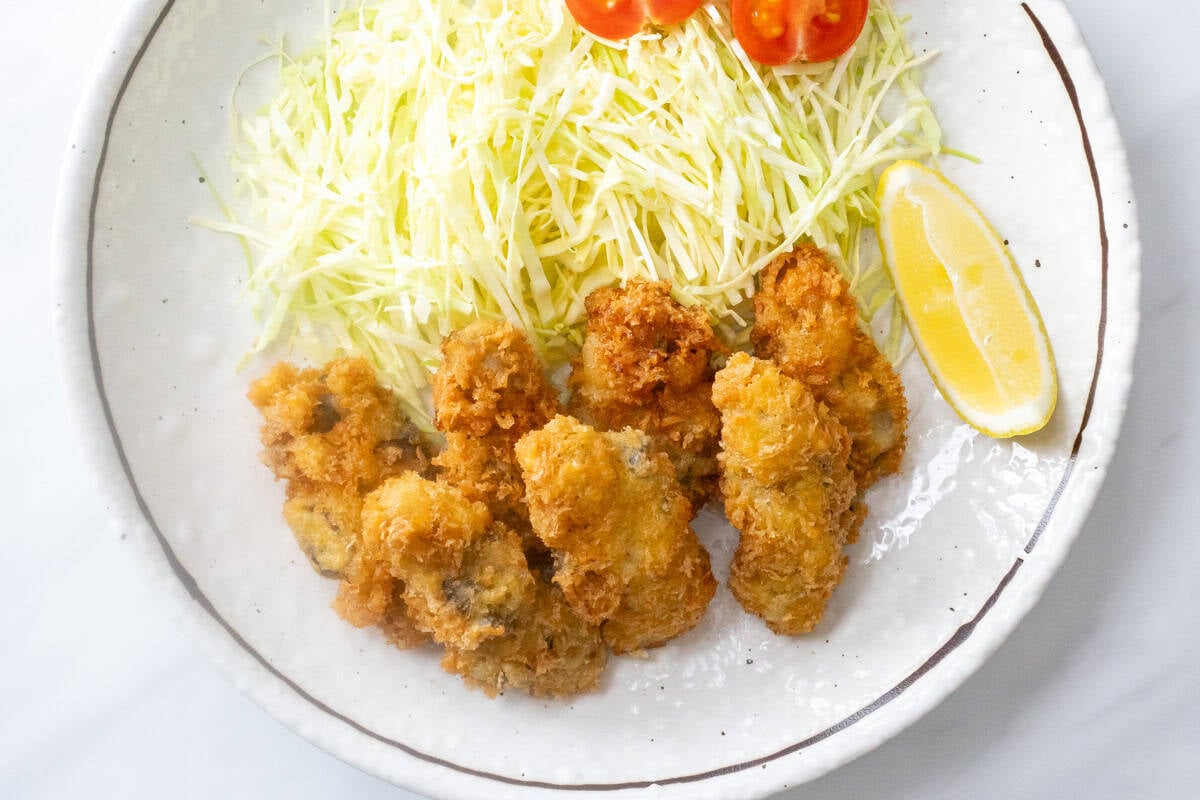
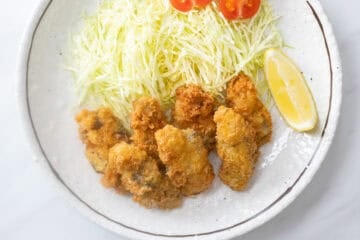
Serve on a plate with fresh vegetables if desired, and feel free to enjoy them with lemon wedges, Japanese tartar sauce, Worcestershire sauce, or your favorite condiments.
To store
You can store it in the refrigerator for up to a day.
How to dispose of used cooking oil
After enjoying kaki fry, it is essential to properly dispose of the oil used for deep-frying. Pouring large amounts of oil directly down the drain can clog pipes.
In Japan, the most commonly recommended method is to use an oil-solidifying powder. This powder solidifies the oil, making it easy to dispose of.
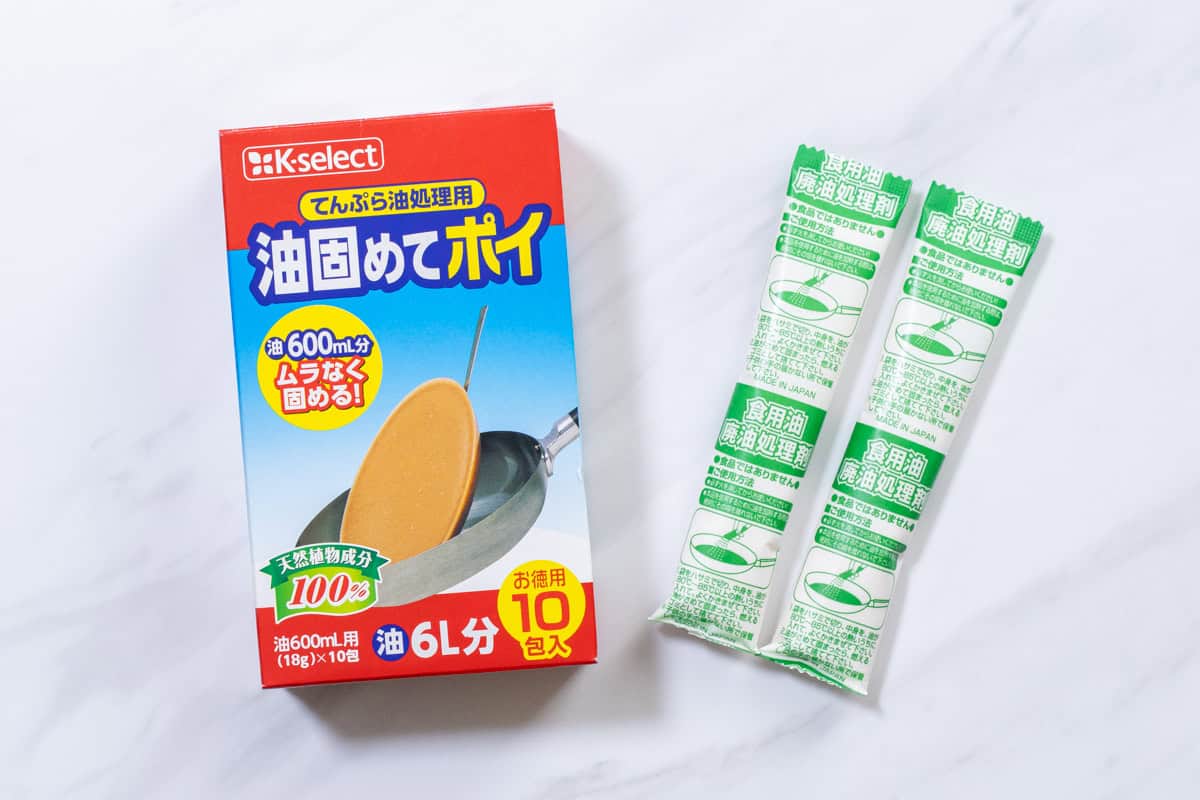
If this is not available locally, you can also use materials like newspaper to absorb the oil or pour it into an empty container after it has completely cooled.
When disposing of used oil, be sure to follow your local waste disposal regulations.
If you try this recipe, I’d love to hear what you think. Please consider leaving a review and star rating in the comments below. If you enjoyed it, I’d really appreciate it if you shared it with your friends.
More recipes you'll love
FAQ
Yes, you can. If you're using frozen oysters, make sure to thaw them first and pat them dry thoroughly before using them.
Recipe card
Kaki Fry (Japanese Fried Oysters)
Ingredients
- 8.5 oz oysters
- 1 qt water (for washing oysters)
- 1 ⅔ Tbsp salt (for washing oysters)
- about 1 inch (3 cm) of neutral oil in a pot (for deep-frying)
For breading:
- 3 Tbsp all-purpose flour (plain flour)
- 1 small egg (about 1.5 oz/42 g, including shell)
- ⅔ cup panko breadcrumbs
Instructions
- Add salt and water to a bowl and mix. Add oysters and gently rub each one to clean them.

- Drain the oysters in a colander and lightly rinse them under running water. Pat them dry thoroughly with paper towels.
- Crack the egg into a bowl and beat it. Prepare two containers, one with flour and the other with panko breadcrumbs.
- Coat the oysters in this order: flour, beaten egg, and panko breadcrumbs. Once the flour is applied, gently shake off any excess with your hands. After coating all the oysters, let them sit for about 10-15 minutes to allow the breading to set.
- Heat oil in a pot to 340℉ (170℃). Once the oil is hot, carefully add the oysters one at a time. Deep-fry them for about 3 minutes until they turn golden brown, flipping them once halfway through.Be careful not to add too many pieces at once, as this can cause the oil temperature to drop significantly. The oysters should occupy no more than about two-thirds of the oil’s surface area.If you don't have a thermometer, drop a few panko breadcrumbs into the oil to test the temperature. When the breadcrumbs float to the surface at a moderate speed without touching the bottom, it indicates that the oil is ready.
- Remove the oysters from the oil and let them drain on a wire rack. If there are any fried bits left in the oil, skim them out with a mesh skimmer or strainer, then repeat the frying process (step 5) until all the oysters are fried.
- Serve on a plate with fresh vegetables if desired, and feel free to enjoy them with lemon wedges, Japanese tartar sauce, Worcestershire sauce, or your favorite condiments.

Notes
- You can store it in the refrigerator for up to a day.
- The Nutrition Facts label assumes that the amount of oil absorbed by the oyster is approximately 20% of its weight.
Leave a Rating and a Comment