
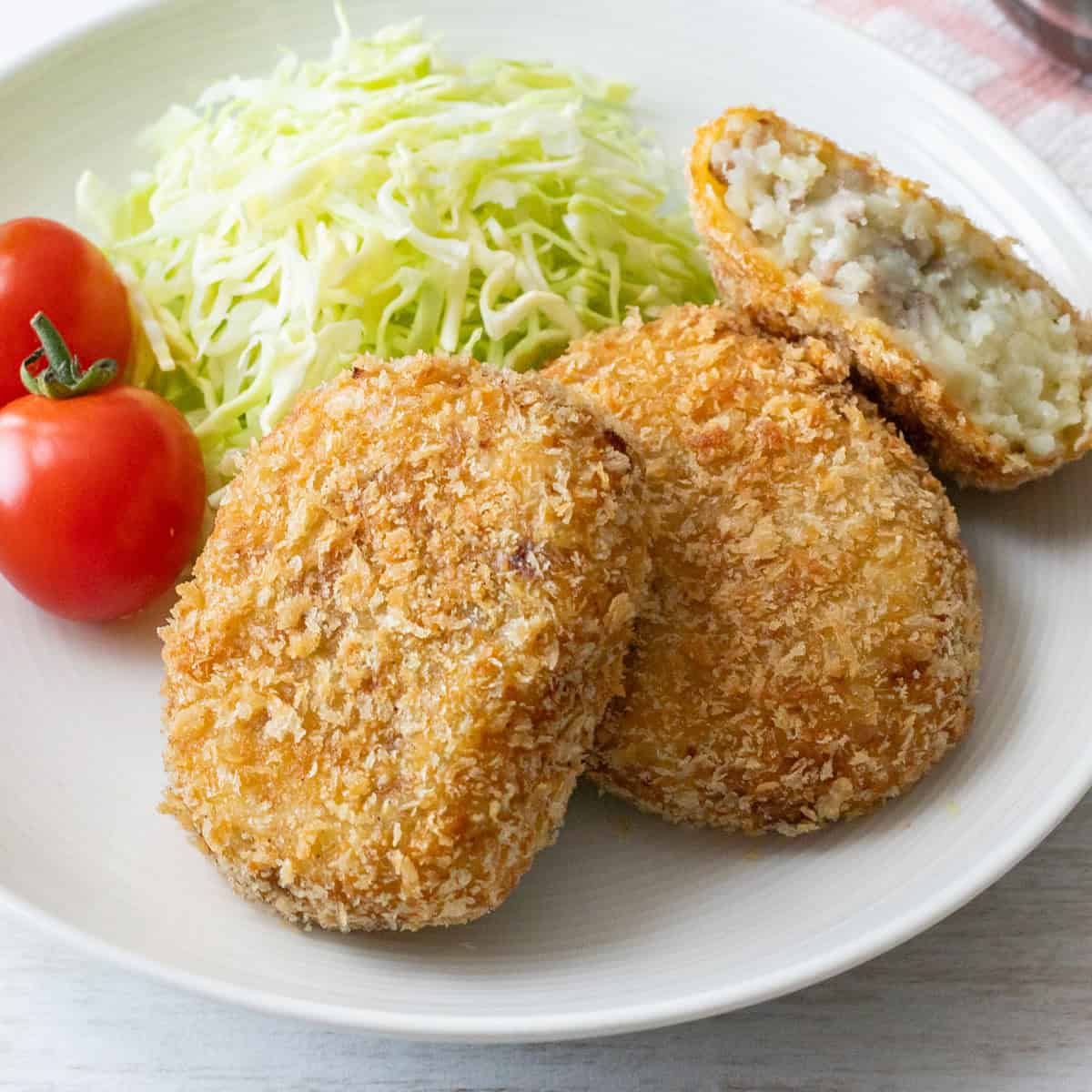
Korokke is a beloved Japanese dish that wraps the natural flavor of potatoes in a crispy, golden crust. The gentle sweetness of the potatoes blends beautifully with the savory crunch of the coating, creating a comforting and satisfying taste. Whether enjoyed as a main dish or a snack, it is a versatile treat that is sure to delight.
Jump to:
What is Korokke?
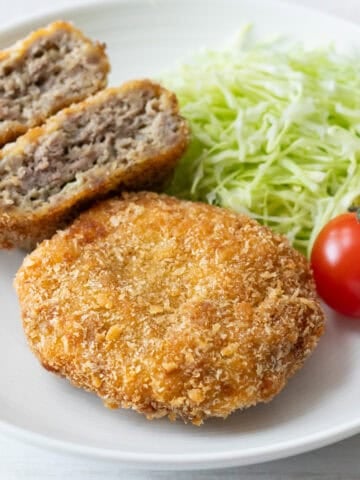
Korokke is a Japanese dish made by mixing mashed potatoes with onions and ground meat, then shaping the mixture into oval or round patties, breading them, and deep-frying them. It is believed to have originated in the 19th century, when French croquettes (fried patties or balls made with meat or fish and a béchamel sauce) were introduced to Japan and adapted using more readily available potatoes, eventually evolving into its current form. Today, it is one of the most popular fried foods in Japan, commonly found at butcher shops, yoshoku (Western-style Japanese) restaurants, and in the deli sections of grocery stores.
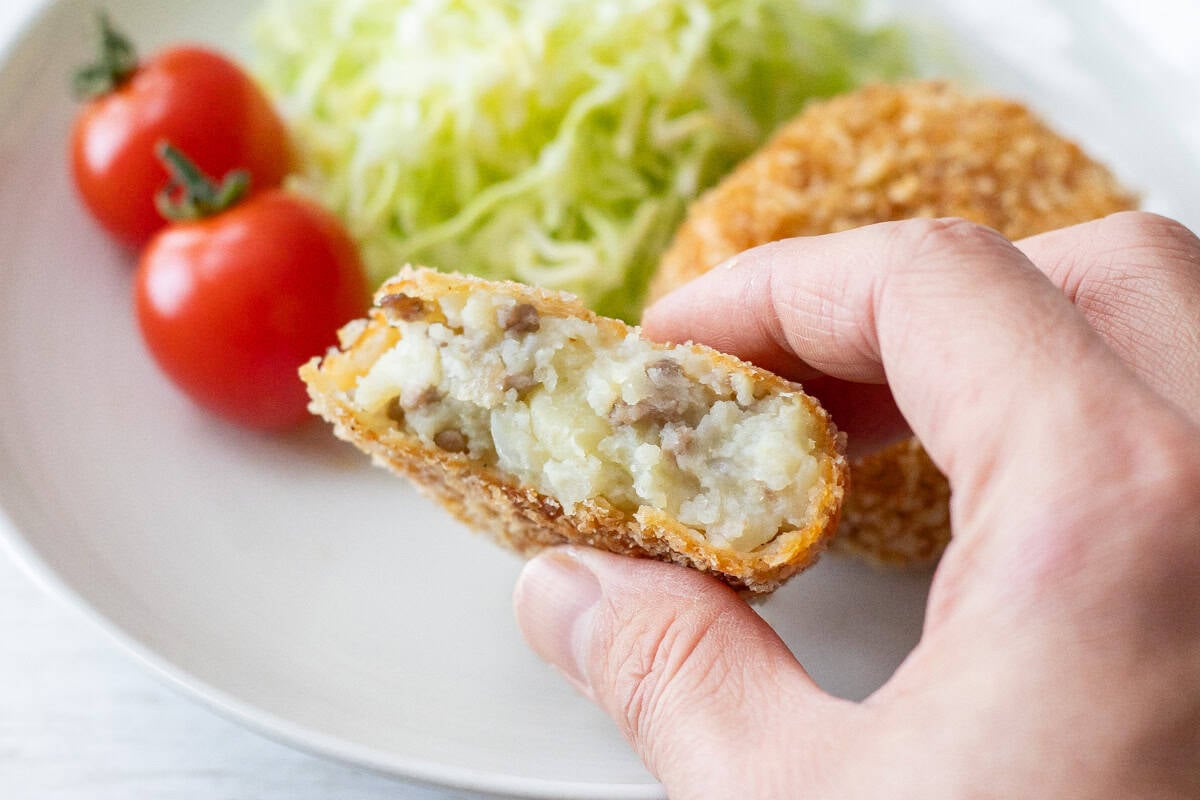
What makes korokke so appealing is the contrast between the crispy, savory crust and the natural sweetness of the potato. Its flavor is distinct from both regular mashed potatoes and French fries, making it unique. The texture is exceptionally smooth—soft, fluffy, and satisfying. Once you try it, you are sure to become a fan of this comforting dish.
Cooking Steps and Key tips
Korokke is typically prepared in the following steps:
- Boil the potatoes.
- Sauté the onion and ground meat.
- Mash the potatoes.
- Combine the potatoes, onions, and ground meat, then chill the mixture.
- Shape the mixture into patties.
- Coat the patties with breading.
- Deep-fry the patties.
Since korokke is a simple dish, the final result can vary depending on the small adjustments you make at each step. To make the best korokke, focus on the following key points:
- Use starchy potatoes.
While you can make this dish with any type of potato, if you have a choice, it is best to choose starchy varieties. For example, in Japan, "Danshaku potatoes (男爵イモ)" are considered a good choice, while Russet potatoes are a great option in the United States. These potato varieties keep korokke from becoming overly dense and give it a soft and fluffy texture that gently falls apart when bitten into.
- Boil the potatoes in salted water, starting with cold water.
Adding salt to the water helps season the potatoes evenly throughout. Starting with cold water rather than boiling water allows the potatoes to heat gradually, which brings out their natural sweetness and ensures they cook thoroughly to the center.
For the best flavor, it is ideal to boil the potatoes whole with the skins on, as this helps prevent their flavor from leaching out into the water. However, this takes longer to cook and makes peeling more labor-intensive. For this reason, I recommend cutting the potatoes into 2 to 6 pieces (depending on their size) with their skins on before boiling. This approach minimizes flavor loss while making the skins surprisingly easy to peel after cooking.
- Chill the korokke filling thoroughly before shaping it into patties.
After mashing the potatoes and mixing them with the onion and ground meat, it is crucial to chill the mixture in the refrigerator. Deep-frying korokke while the mixture is still warm can cause the steam inside to expand, potentially causing the korokke to crack or burst during frying. This is one of the most common mistakes when making this dish, so make sure to chill the mixture thoroughly before frying.
The best time to chill the mixture is before shaping it into patties. Once chilled, the potatoes firm up, making them easier to shape and reducing the risk of air pockets forming inside. Keeping air out of the mixture also helps prevent cracks and bursts during frying.
Optional additions
My recipe uses the classic korokke ingredients—potatoes, onions, and ground meat—but you can also add other ingredients if you like. Common additions in Japan include:
- Carrots
- Corn
- Green peas
- Mushrooms
These additions are recommended if you want to slightly change the flavor or boost the nutritional value. For larger ingredients, be sure to chop them finely before adding.
Creative variations
Instead of adding extra ingredients, you can also change the flavor of the potato itself or substitute it with other ingredients to create unique variations of korokke, such as:
- Curry korokke (made with curry powder)
- Kabocha (Japanese squash) korokke
- Satsumaimo (Japanese sweet potato) korokke
- Crab cream korokke
These are all common types of korokke. After trying the basic potato korokke from this recipe, feel free to experiment with these variations.
📋Step-by-step recipe
Ingredients
- 1 lbs potatoes (about 3 medium potatoes, preferably a starchy variety, such as Russet)
- 3.5 oz onion
- 1.8 oz ground beef
- 1.8 oz ground pork
- 2 tsp salted butter (0.17 oz/5 g per tsp)
- ¼ tsp salt
- a pinch of ground black pepper
- ½ tsp sugar
- about 1 inch (3 cm) of neutral oil in a pot (for deep-frying)
For breading:
- 3 Tbsp all-purpose flour (plain flour)
- 1 large egg (about 2.1 oz/60 g, including shell)
- ⅔ cup panko breadcrumbs
Instructions
🕒 Total: 1 hr 45 mins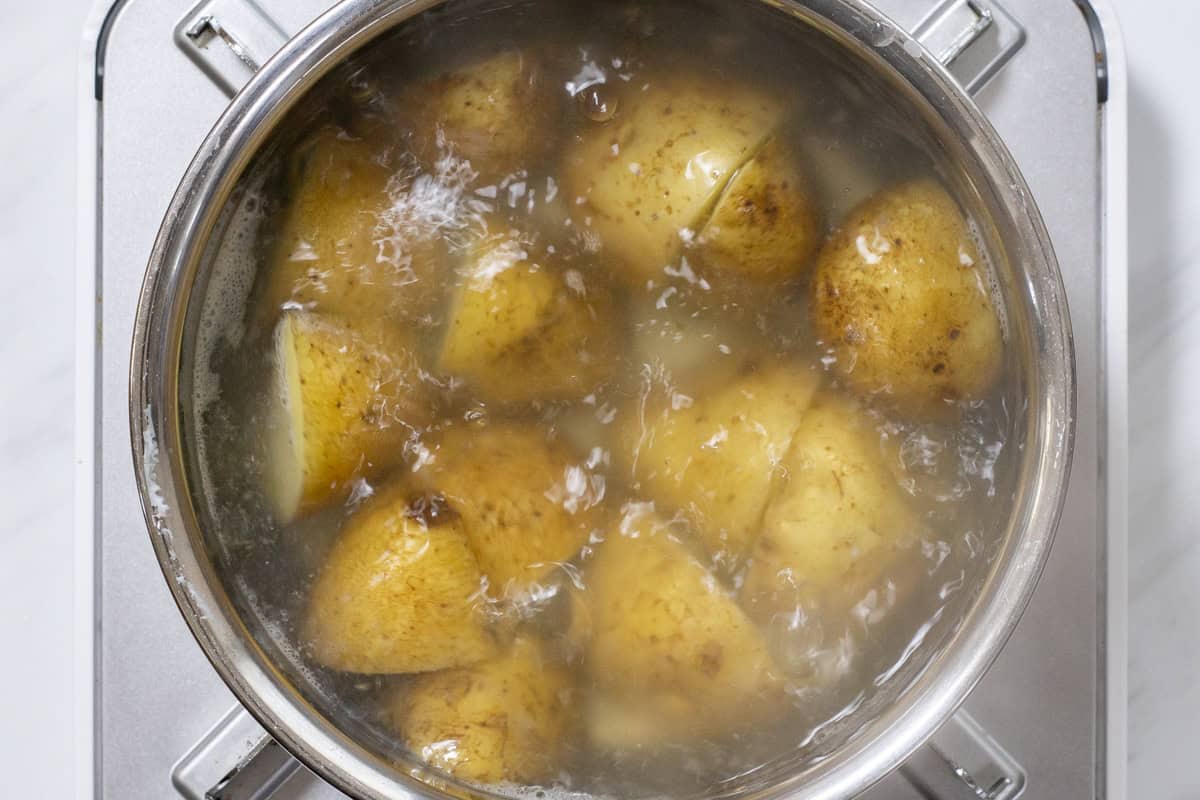
Step 1
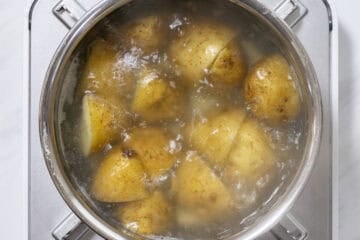
Cut the potatoes into 2 to 6 pieces depending on their size, and place them in a pot with the skin on. Add enough water to fully cover the potatoes and enough salt to make a 1% salt solution (about 1.6 tsp of salt per 1 quart or 1 liter of water; this salt is not included in the ingredient list). Bring to a boil, then reduce the heat to low and simmer until the potatoes are tender, about 15-20 minutes (they should be soft enough that a skewer or fork slides in easily).
Step 2
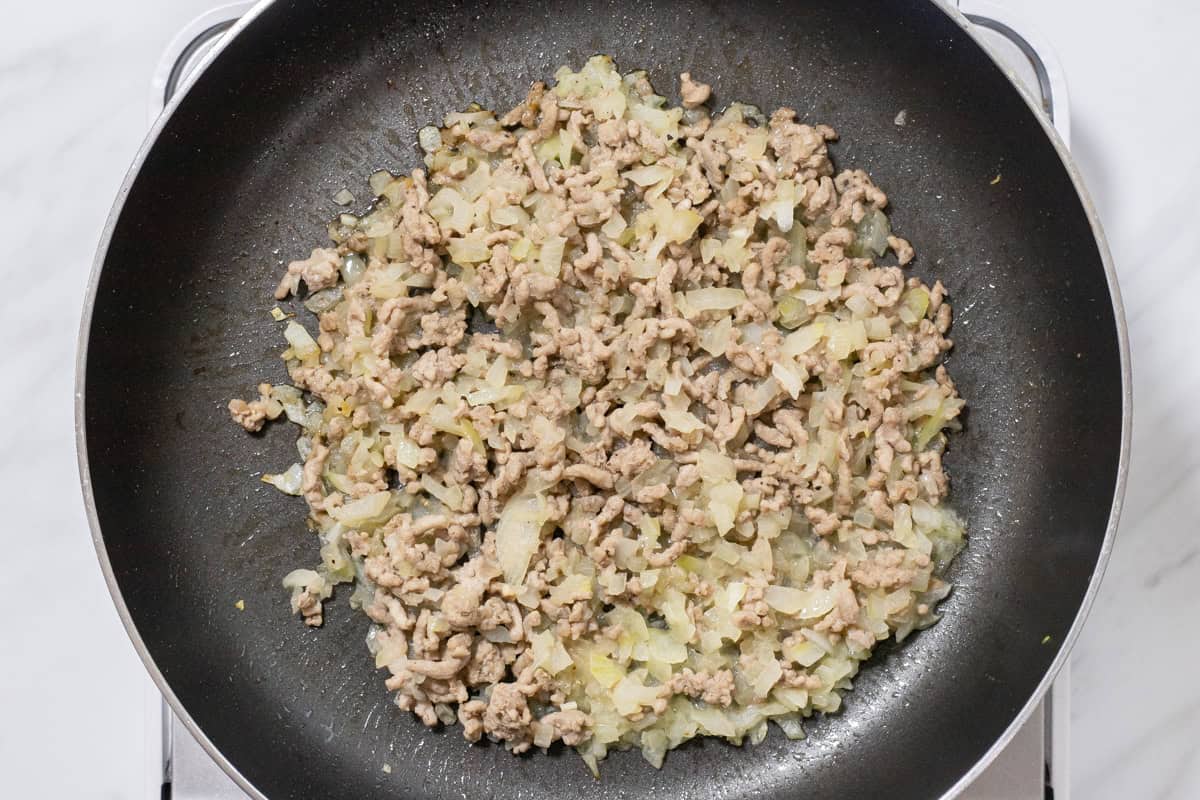
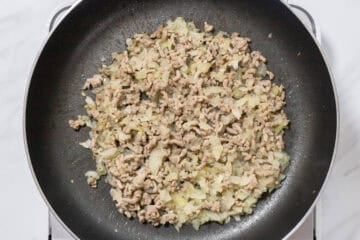
(You can do this step while the potatoes are boiling.) Finely chop the onion. Heat butter in a pan, and once it has melted, add the onion and sauté over medium heat until softened. Then, add the ground beef and pork, season with salt and pepper, and cook until the meat is no longer pink.
Step 3
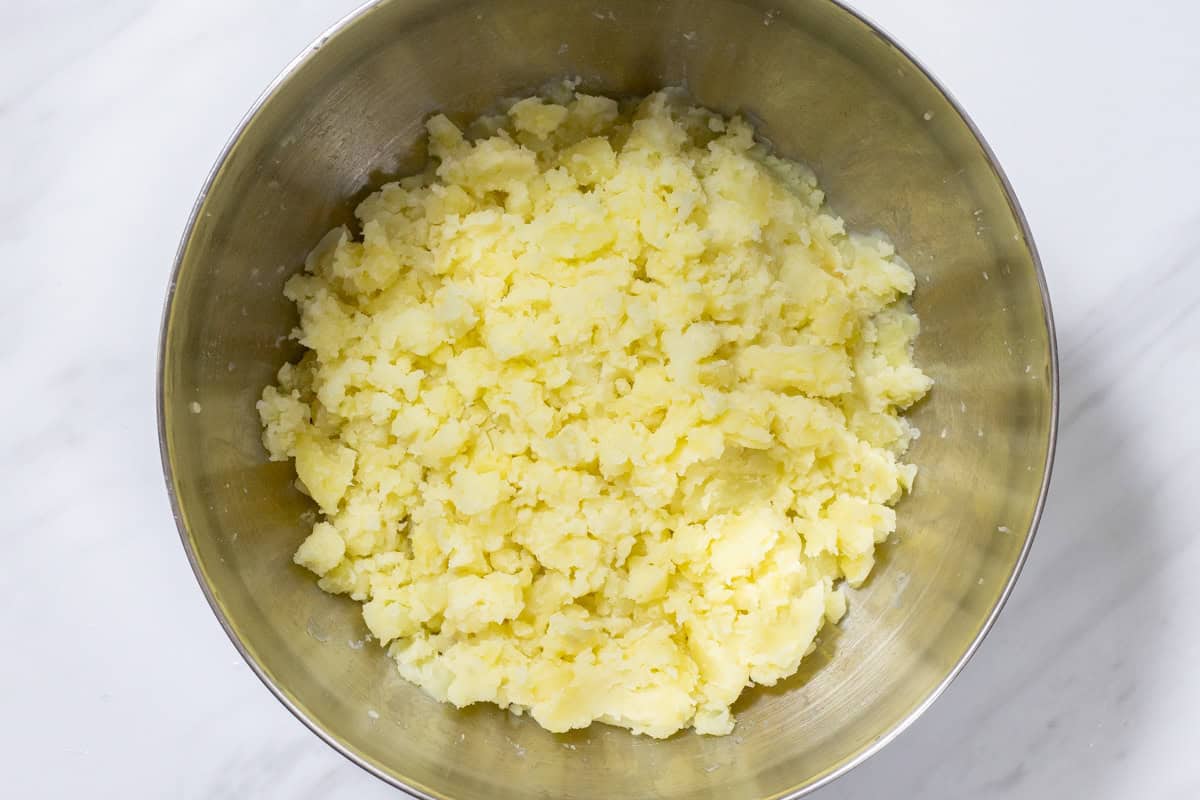
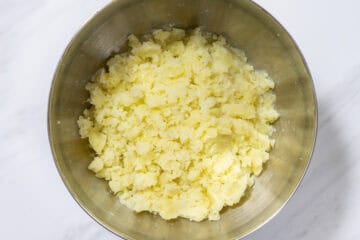
Drain the potatoes in a colander. While they are still warm (and being careful not to burn yourself), peel off the skins by hand. Transfer the warm potatoes to a bowl and mash them until there are no large lumps remaining.
Step 4
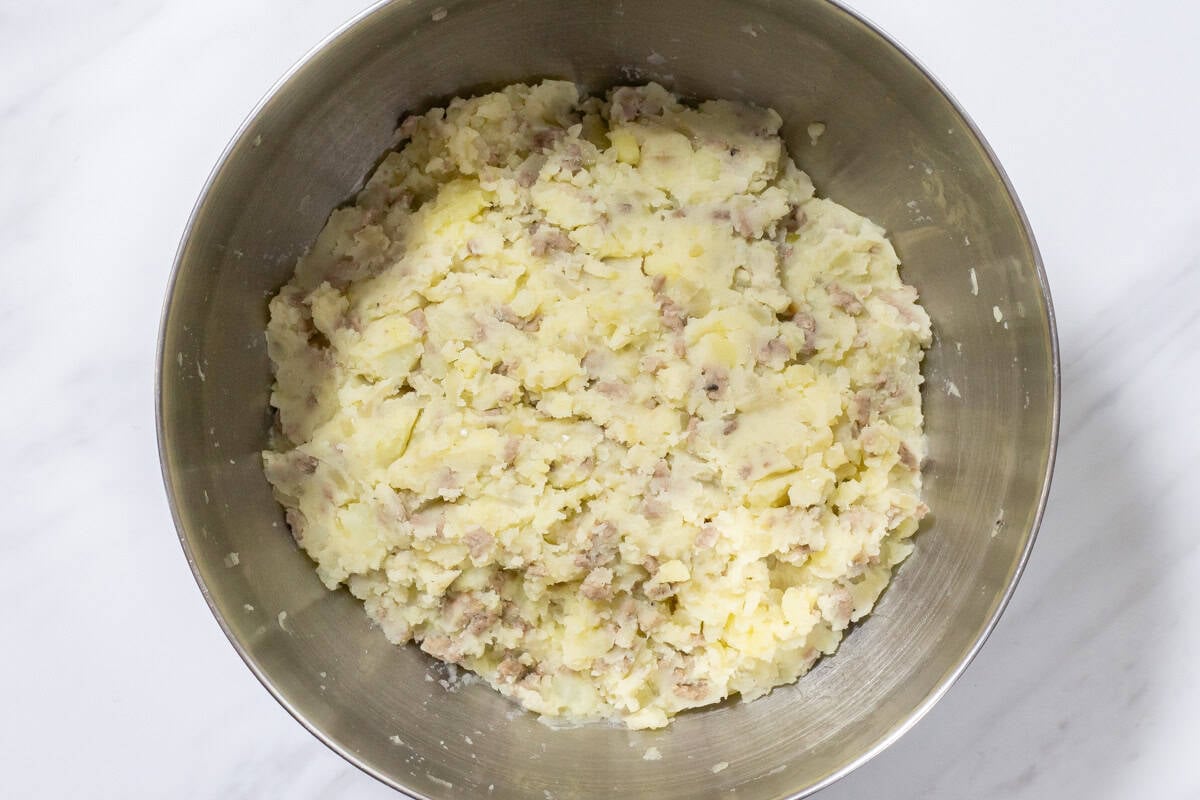
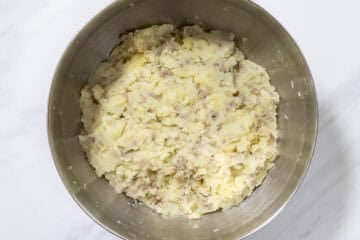
Add the onion and ground meat mixture, along with sugar, to the bowl of mashed potatoes, and mix until well combined and smooth. Once the mixture has cooled to room temperature, cover the bowl with plastic wrap and chill in the refrigerator for at least 30 minutes.
Step 5
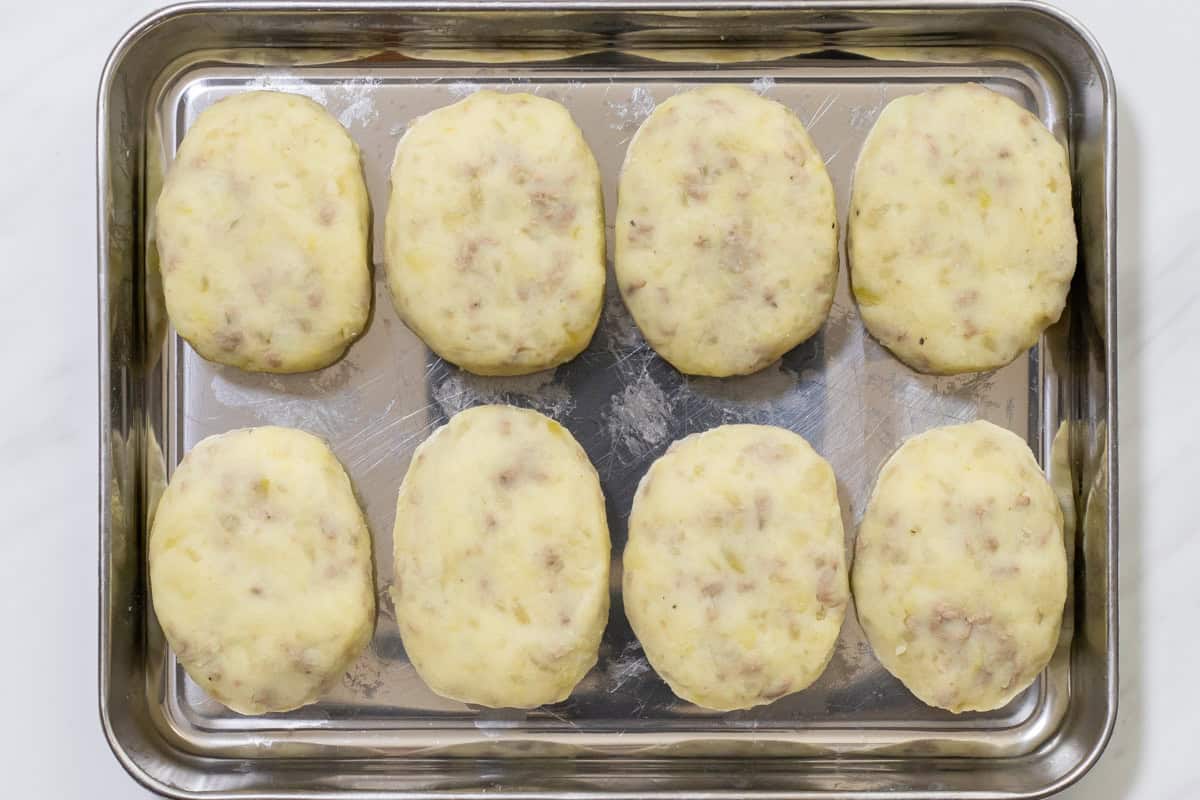
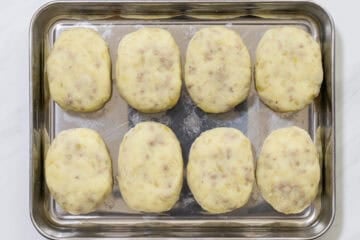
Divide the chilled mixture into equal portions according to the number of korokke you want to make (I divided mine into eight portions). Shape each portion into an oval or round patty about ¾ inch (2 cm) thick. (In Japan, a typical patty weighs about 2.7 ounces / 70-80 g.)
Step 6
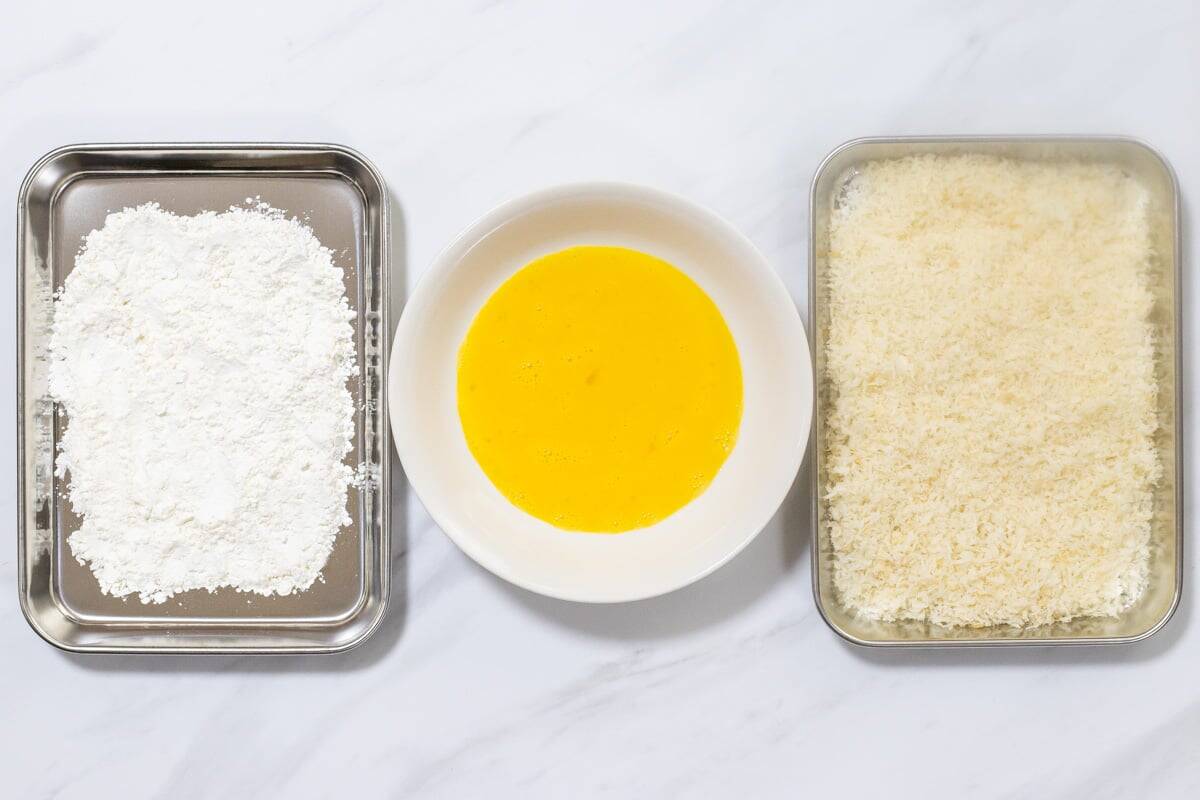
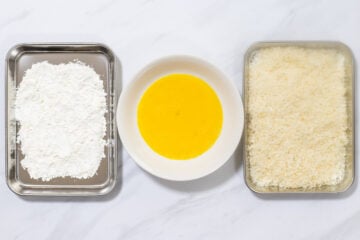
Crack the egg into a small bowl and beat it. Prepare two containers, one with flour and the other with panko breadcrumbs.
Step 7
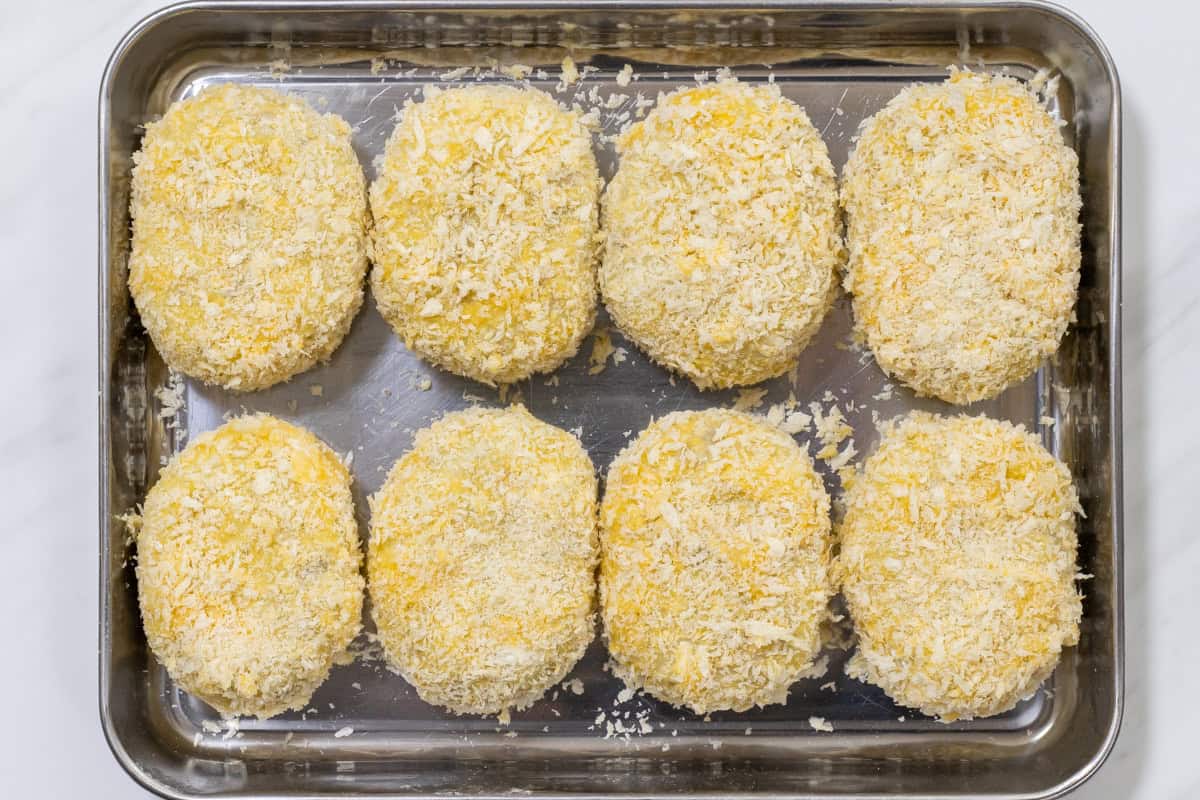
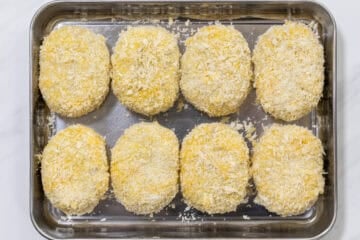
Coat each patty in this order: flour, beaten egg, and panko breadcrumbs. Make sure the patty is thoroughly coated at each stage.
Step 8
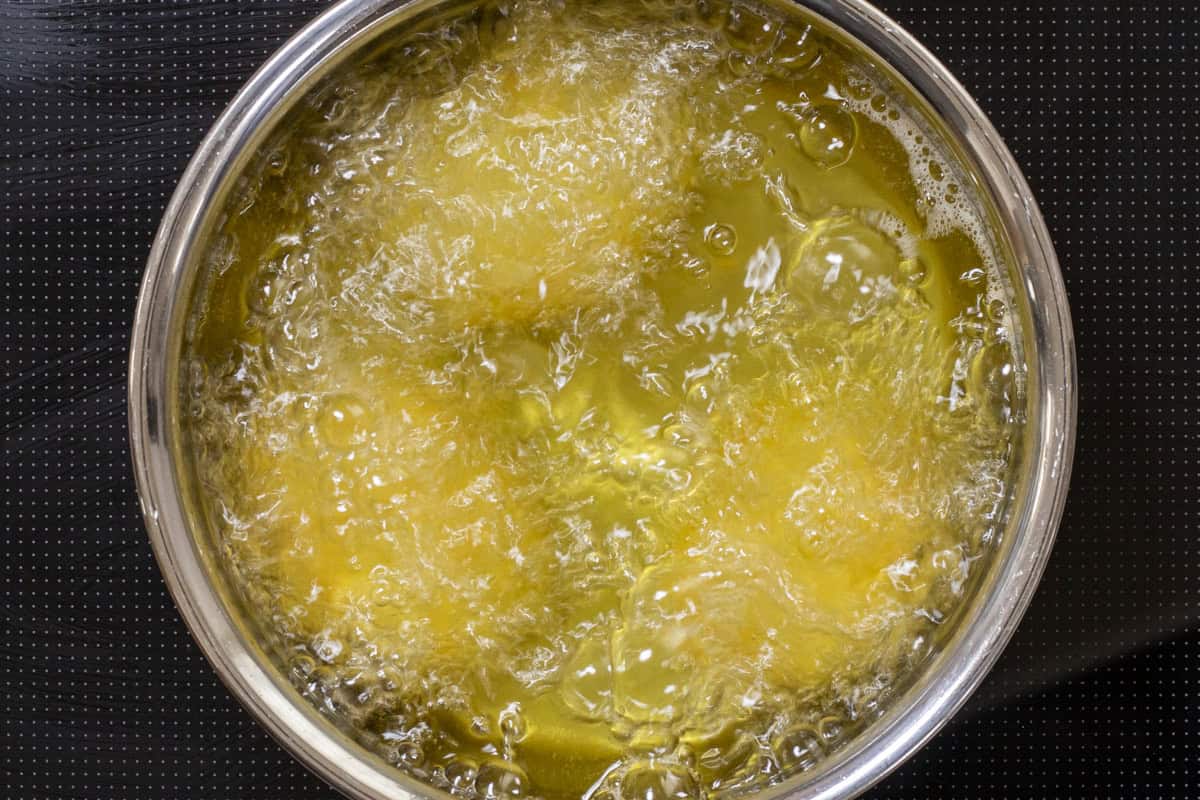
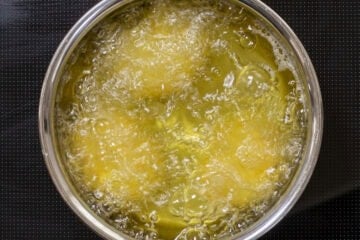
Heat oil in a pot to 340℉ (170℃). Once the oil is hot, carefully add the patties one at a time. Deep-fry them for about 5-6 minutes until they turn golden brown, flipping them occasionally.
Be careful not to add too many patties at once, as this can cause the oil temperature to drop significantly. The patties should occupy no more than about two-thirds of the oil’s surface area.
If you don't have a thermometer, drop a few panko breadcrumbs into the oil to test the temperature. When the breadcrumbs float to the surface at a moderate speed without touching the bottom, it indicates that the oil is ready.
Step 9
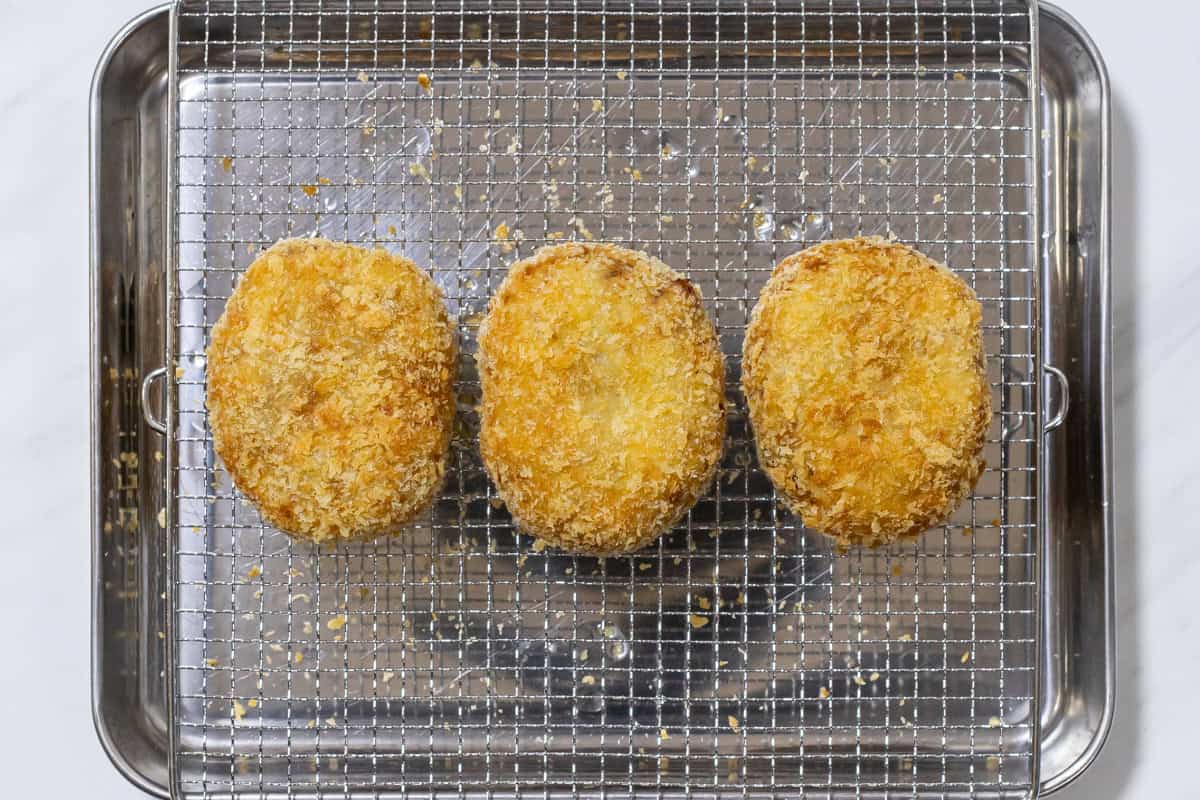
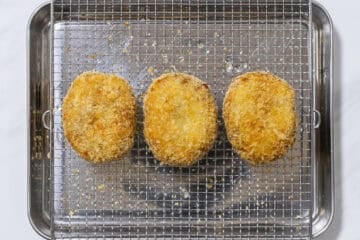
Remove the fried patties from the oil and let them drain on a wire rack. If there are any fried bits left in the oil, skim them out with a mesh skimmer or strainer, then repeat the frying process (step 8) until all the patties are fried.
Step 10
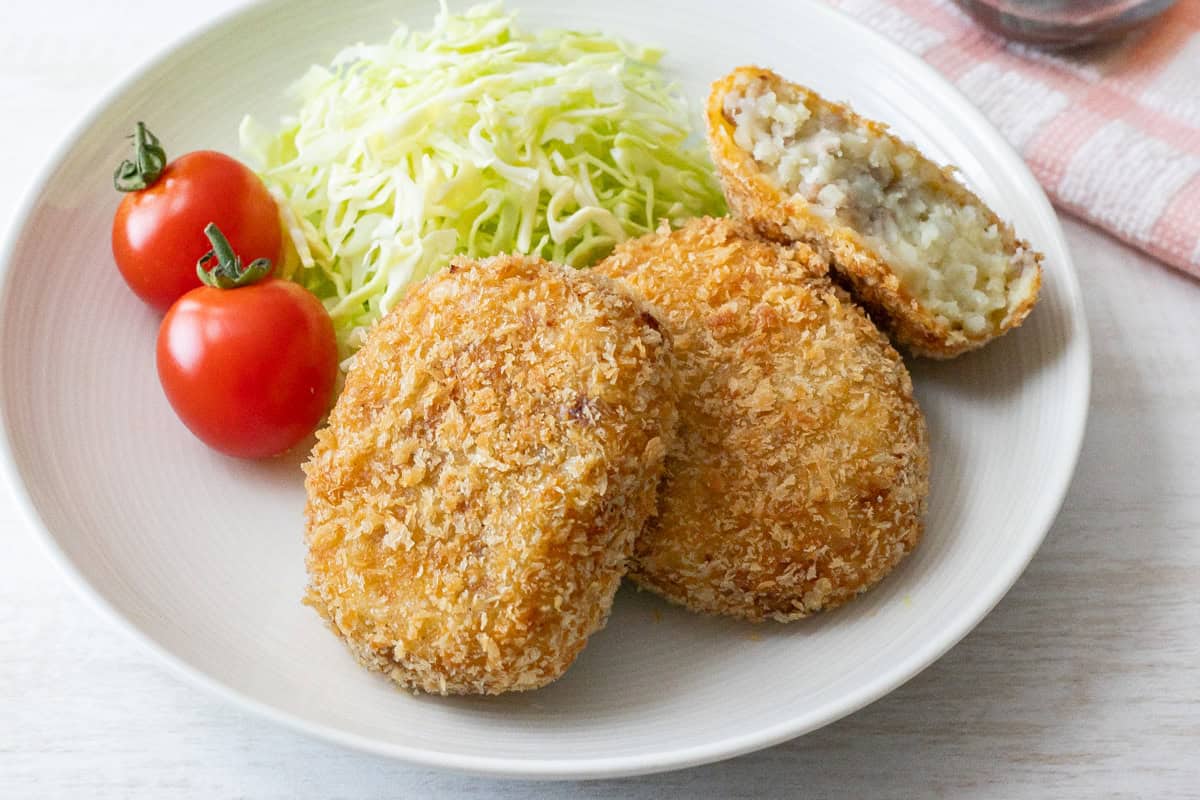
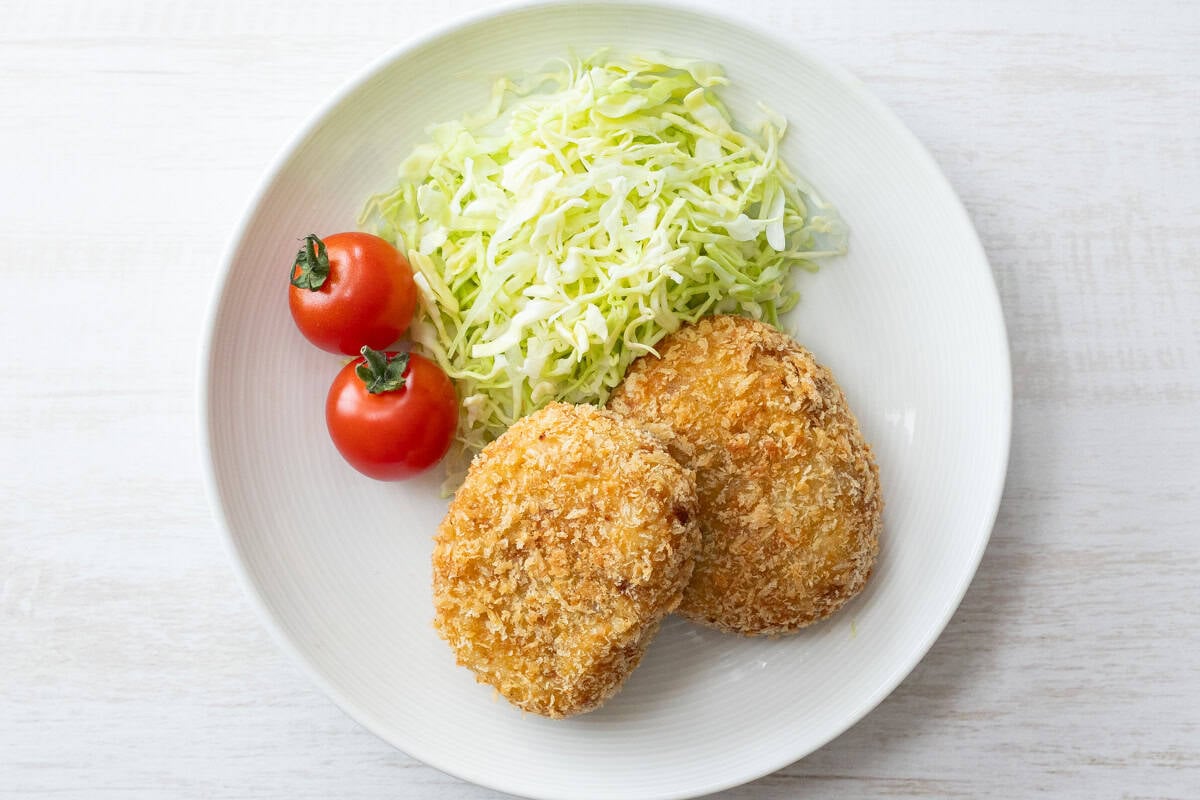
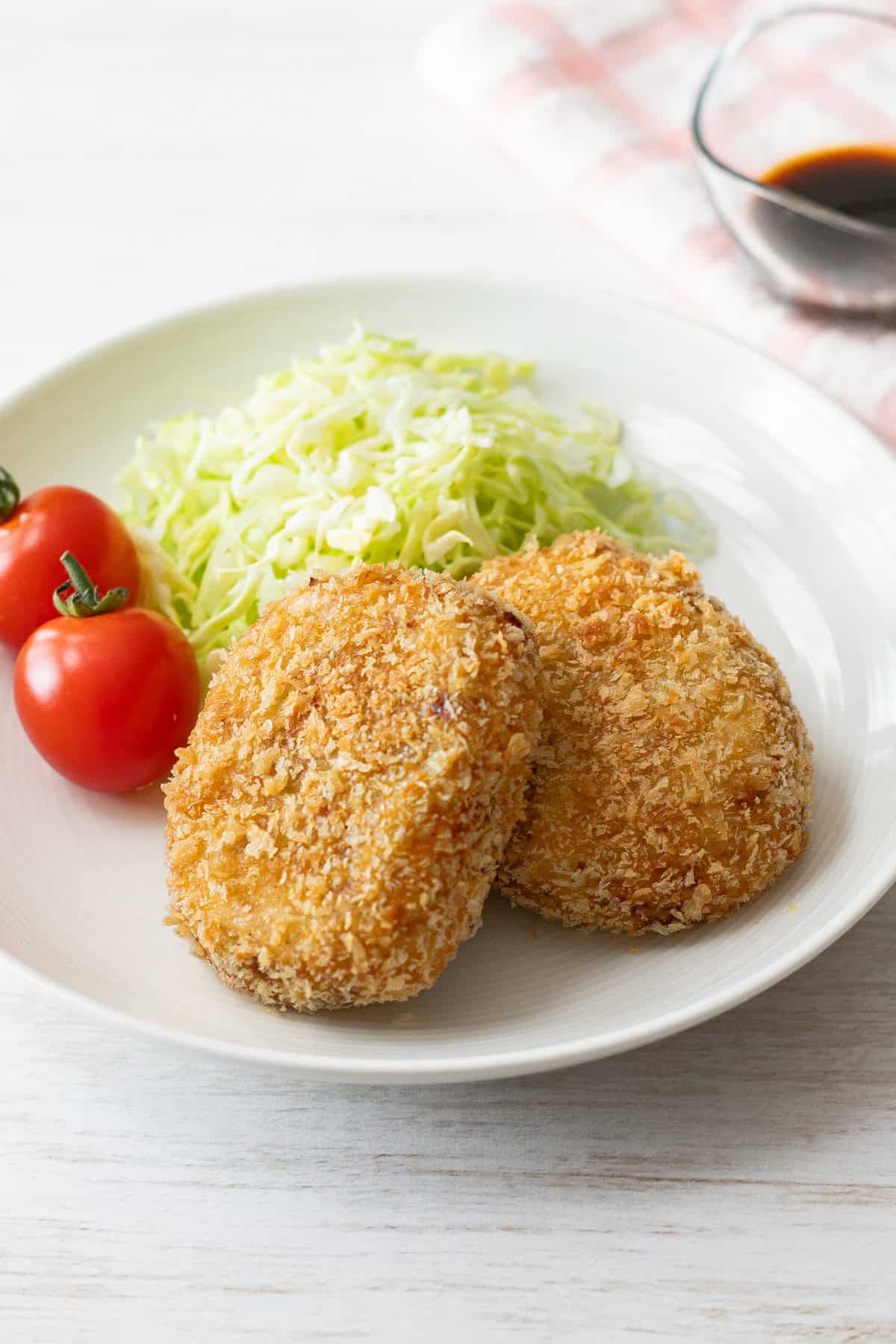
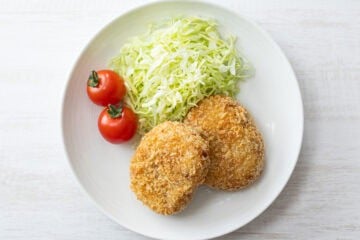
Serve the korokke with fresh vegetables, such as shredded cabbage, if desired. They are delicious as is, but you can also drizzle them with Worcestershire sauce or tonkatsu sauce to taste.
To store
You can store it in the refrigerator for up to 2 days. Once the korokke has completely cooled, wrap each piece individually in plastic wrap and place them all in a freezer bag; they can be kept in the freezer for up to a month.
If you try this recipe, I’d love to hear what you think. Please consider leaving a review and star rating in the comments below. If you enjoyed it, I’d really appreciate it if you shared it with your friends.
More recipes you'll love
FAQ
Yes, that’s perfectly fine. You can use whichever type you prefer. Ground beef will give a meatier result, while ground pork will make it juicier because of its higher fat content. In Japan, the choice of meat can vary widely depending on the region and personal preference.
Recipe card
Korokke (Japanese Potato Croquettes)
Ingredients
- 1 lbs potatoes (about 3 medium potatoes, preferably a starchy variety, such as Russet)
- 3.5 oz onion
- 1.8 oz ground beef
- 1.8 oz ground pork
- 2 tsp salted butter (0.17 oz/5 g per tsp)
- ¼ tsp salt
- a pinch of ground black pepper
- ½ tsp sugar
- about 1 inch (3 cm) of neutral oil in a pot (for deep-frying)
For breading:
- 3 Tbsp all-purpose flour (plain flour)
- 1 large egg (about 2.1 oz/60 g, including shell)
- ⅔ cup panko breadcrumbs
Instructions
- Cut the potatoes into 2 to 6 pieces depending on their size, and place them in a pot with the skin on. Add enough water to fully cover the potatoes and enough salt to make a 1% salt solution (about 1.6 tsp of salt per 1 quart or 1 liter of water; this salt is not included in the ingredient list). Bring to a boil, then reduce the heat to low and simmer until the potatoes are tender, about 15-20 minutes (they should be soft enough that a skewer or fork slides in easily).

- (You can do this step while the potatoes are boiling.) Finely chop the onion. Heat butter in a pan, and once it has melted, add the onion and sauté over medium heat until softened. Then, add the ground beef and pork, season with salt and pepper, and cook until the meat is no longer pink.
- Drain the potatoes in a colander. While they are still warm (and being careful not to burn yourself), peel off the skins by hand. Transfer the warm potatoes to a bowl and mash them until there are no large lumps remaining.
- Add the onion and ground meat mixture, along with sugar, to the bowl of mashed potatoes, and mix until well combined and smooth. Once the mixture has cooled to room temperature, cover the bowl with plastic wrap and chill in the refrigerator for at least 30 minutes.
- Divide the chilled mixture into equal portions according to the number of korokke you want to make (I divided mine into eight portions). Shape each portion into an oval or round patty about ¾ inch (2 cm) thick. (In Japan, a typical patty weighs about 2.7 ounces / 70-80 g.)
- Crack the egg into a small bowl and beat it. Prepare two containers, one with flour and the other with panko breadcrumbs.
- Coat each patty in this order: flour, beaten egg, and panko breadcrumbs. Make sure the patty is thoroughly coated at each stage.
- Heat oil in a pot to 340℉ (170℃). Once the oil is hot, carefully add the patties one at a time. Deep-fry them for about 5-6 minutes until they turn golden brown, flipping them occasionally.Be careful not to add too many patties at once, as this can cause the oil temperature to drop significantly. The patties should occupy no more than about two-thirds of the oil’s surface area.If you don't have a thermometer, drop a few panko breadcrumbs into the oil to test the temperature. When the breadcrumbs float to the surface at a moderate speed without touching the bottom, it indicates that the oil is ready.
- Remove the fried patties from the oil and let them drain on a wire rack. If there are any fried bits left in the oil, skim them out with a mesh skimmer or strainer, then repeat the frying process (step 8) until all the patties are fried.
- Serve the korokke with fresh vegetables, such as shredded cabbage, if desired. They are delicious as is, but you can also drizzle them with Worcestershire sauce or tonkatsu sauce to taste.
Notes
- You can store it in the refrigerator for up to 2 days. Once the korokke has completely cooled, wrap each piece individually in plastic wrap and place them all in a freezer bag; they can be kept in the freezer for up to a month.
- The Nutrition Facts label assumes that the amount of oil absorbed by the korokke patty is approximately 10% of its weight.
Leave a Rating and a Comment