
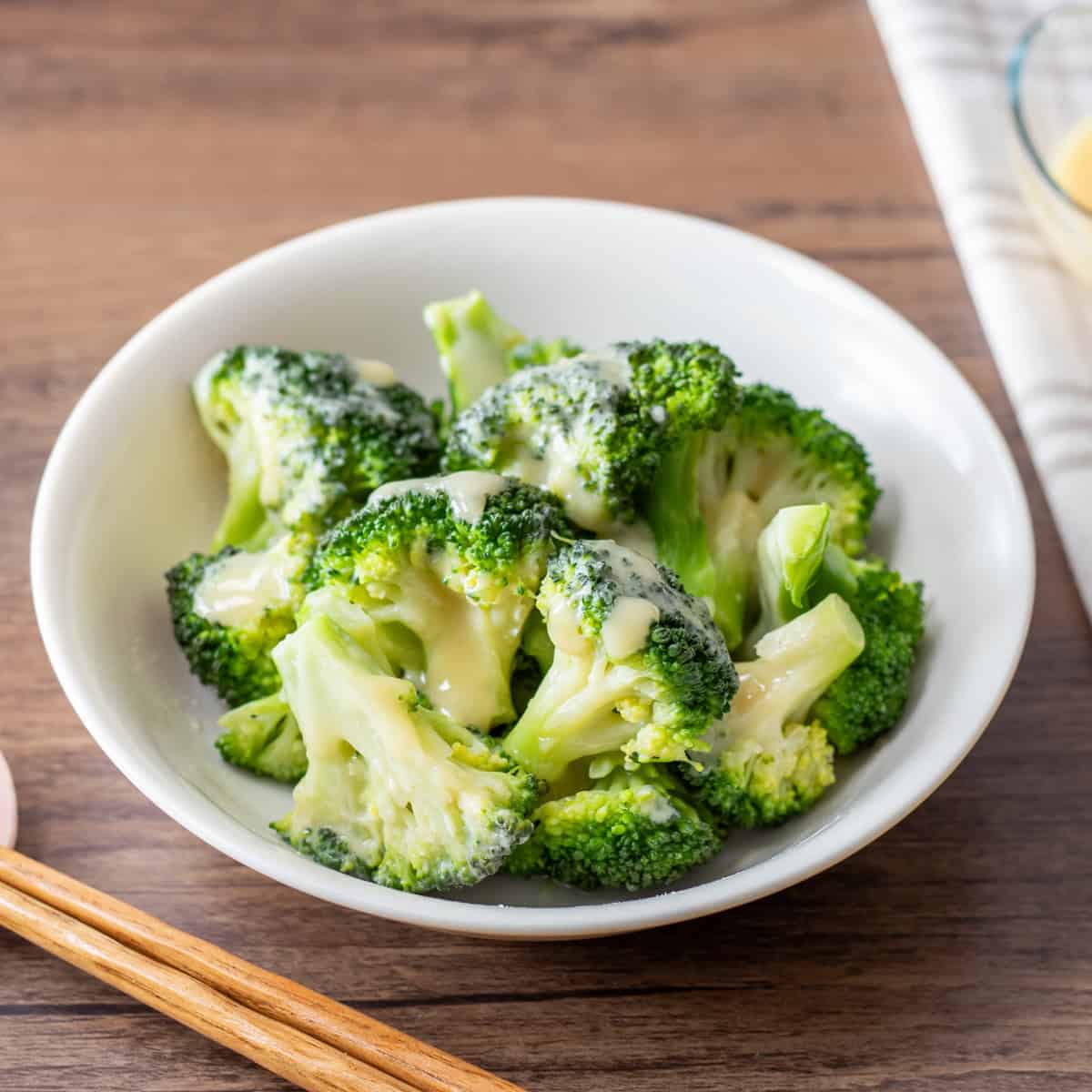
How about adding a touch of traditional Japanese flavor to your meal? Sumisoae is a dish where umami-rich miso, tangy vinegar, and sugar come together to enhance the natural flavors of the ingredients, creating a well-balanced combination of savory depth and gentle sweetness. In this recipe, broccoli is used as the main ingredient.
Jump to:
What is Sumisoae?
Sumisoae is a traditional Japanese dish in which vegetables, seafood, or other ingredients are tossed with a dressing made from miso, vinegar, and sugar. "Sumiso" means sweet miso vinegar sauce, and "ae" refers to tossing ingredients with seasonings. Since the thick, viscous texture of the sweet miso vinegar sauce resembles a swamp (nuta), the dish is called "nutaae" in some regions of Japan.
What makes this dish so appealing is how the sumiso sauce highlights the natural flavors of the ingredients with its unique, subtly sweet and tangy richness. Though it may not be flashy, it embodies the essence of traditional Japanese cuisine, allowing the ingredients to shine on their own. It is easy to prepare—just mix the sauce with ingredients that can be eaten raw or lightly boiled—making it a perfect dish to add to your table when you want something simple yet flavorful.
The role of white miso
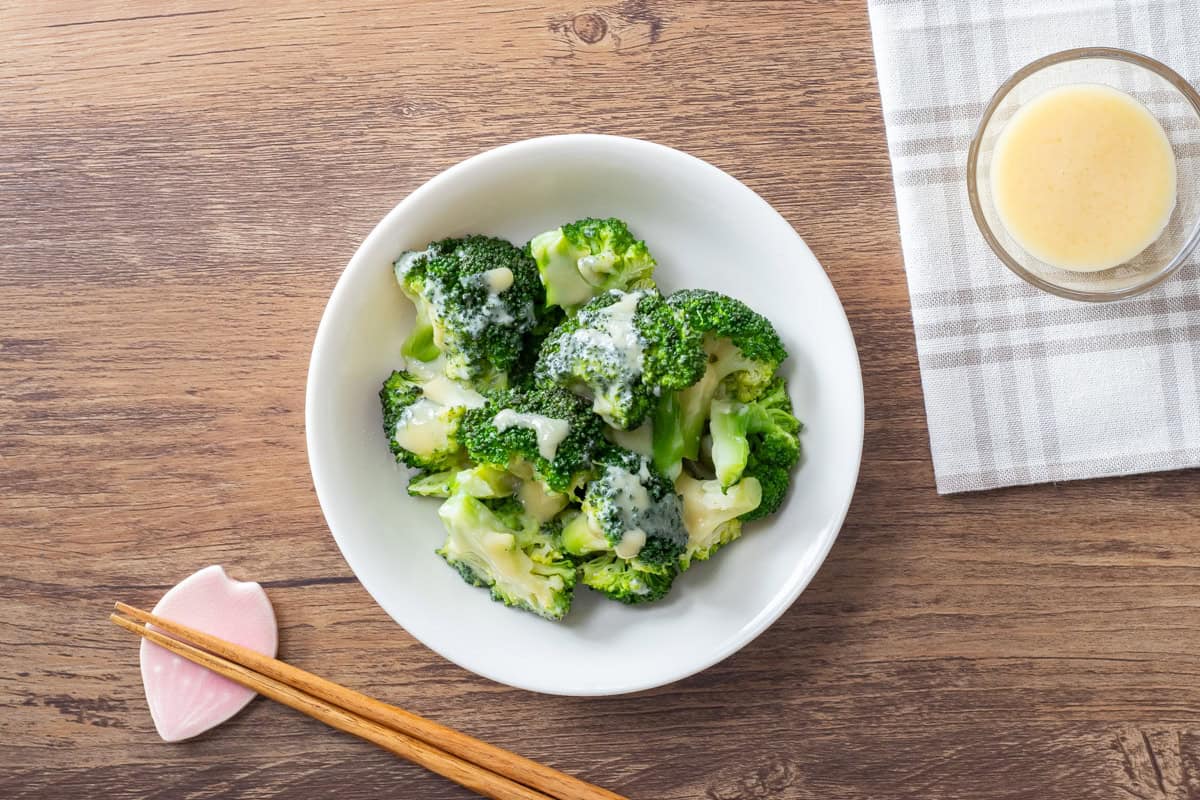
There are many varieties of miso, but one type is especially commonly used for sumisoae: white miso. There are two main reasons for this.
- Compared to other types of miso—such as red miso or rice miso—white miso has a lower salt content and a mild sweetness, which helps mellow the acidity of the vinegar.
- Since sumisoae is a dish that highlights the ingredients themselves, the pale color of white miso helps preserve their natural hues without overpowering them.
While you can make this dish with miso other than white miso, it is recommended to use white miso if possible to enjoy these benefits. If you don’t have it on hand, you can substitute another type of miso, but in that case, try adding slightly more sugar to balance the flavor.
Flavor variations for sumiso sauce
To make the basic sauce for sumisoae, you only need three ingredients: miso, vinegar, and sugar. However, it is also common to add a small amount of one of the following:
- Karashi mustard (Japanese mustard)
- Sansho pepper (Japanese pepper)
- Kinome (sansho leaves)
- Garlic leaves (or grated garlic as a substitute)
- Yuzu (Japanese citrus)
In modern Japan, it is especially common to add karashi mustard to the basic sumiso sauce, creating karashi sumiso. Karashi mustard is widely available in Japan, and adding it gives a subtle heat that helps balance the flavors of the dressed ingredients. The other ingredients have similar effects.
Start by trying the basic sumiso in this recipe, and if you can find karashi mustard or any of the other ingredients in your area, try adding one next time to experience different flavor variations.
Common ingredients and preparation tips
Let’s also take a look at ingredients commonly dressed with sumiso sauce. While this recipe uses broccoli, almost any ingredient that can be eaten raw or lightly boiled works well in sumisoae. Some common examples include:
- Green onions (scallions)
- Cucumbers
- Nanohana (rapeseed blossoms)
- Bamboo shoots
- Wakame seaweed
- Squid
- Octopus
- Firefly squid
- Konjac
Since sumisoae is a dish that highlights the ingredients themselves, it is also common to use seasonal ingredients to enjoy the flavors of the season. You can use a single ingredient or combine several.
No matter which ingredient you use, the key is to thoroughly drain any excess water before tossing with the sumiso sauce. If water remains on the ingredients, it will dilute the flavor of the dish. Additionally, it is important to dress the ingredients with the sauce just before serving. The salt in the miso draws moisture out of the ingredients, so if the dish sits for too long, it can become watery.
📋Step-by-step recipe
Ingredients
- 4.2 oz broccoli
- 1 Tbsp white miso (You can substitute it with other types of miso; if you do, adjust the sweetness by adding more sugar.)
- ½ Tbsp rice vinegar
- 1 tsp sugar
Instructions
🕒 Total: 20 mins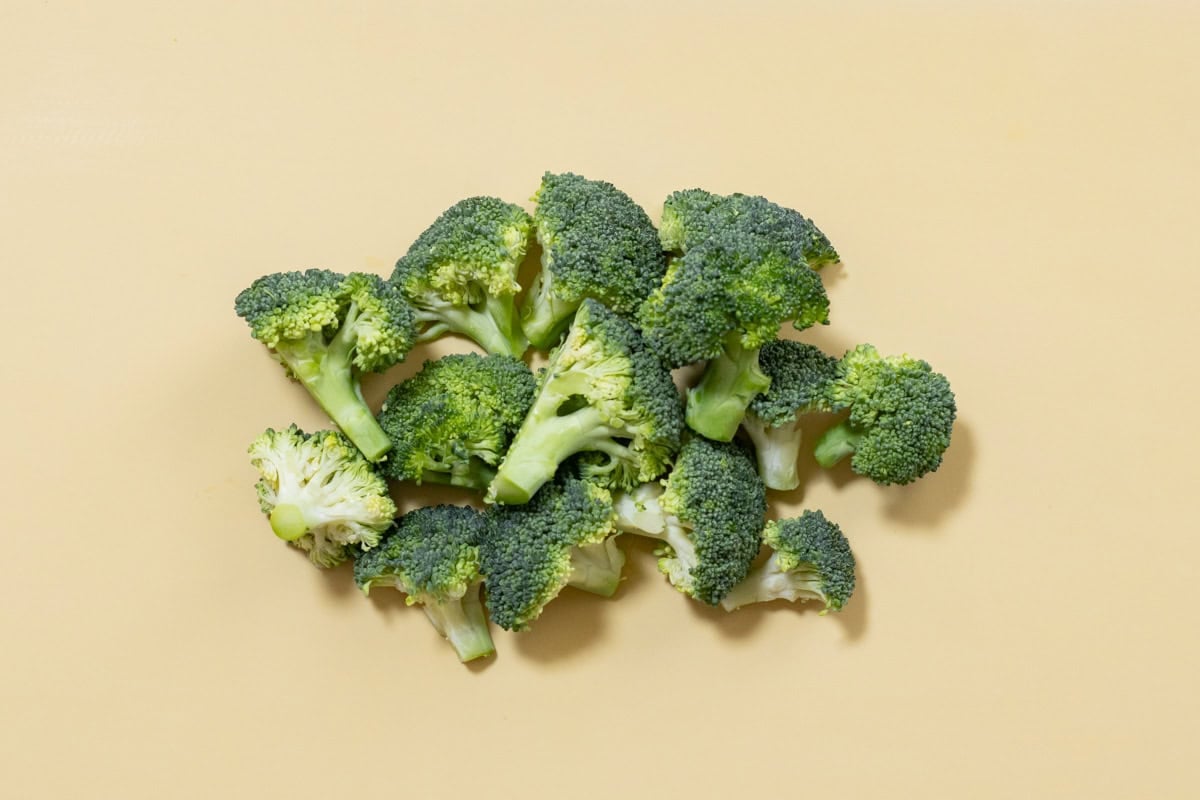
Step 1
Separate the broccoli florets from the stalk. If the florets are large, cut them in half or into quarters. (If you are using the stalk, peel off the tough outer layer and slice it into thin, bite-sized pieces.)
Step 2
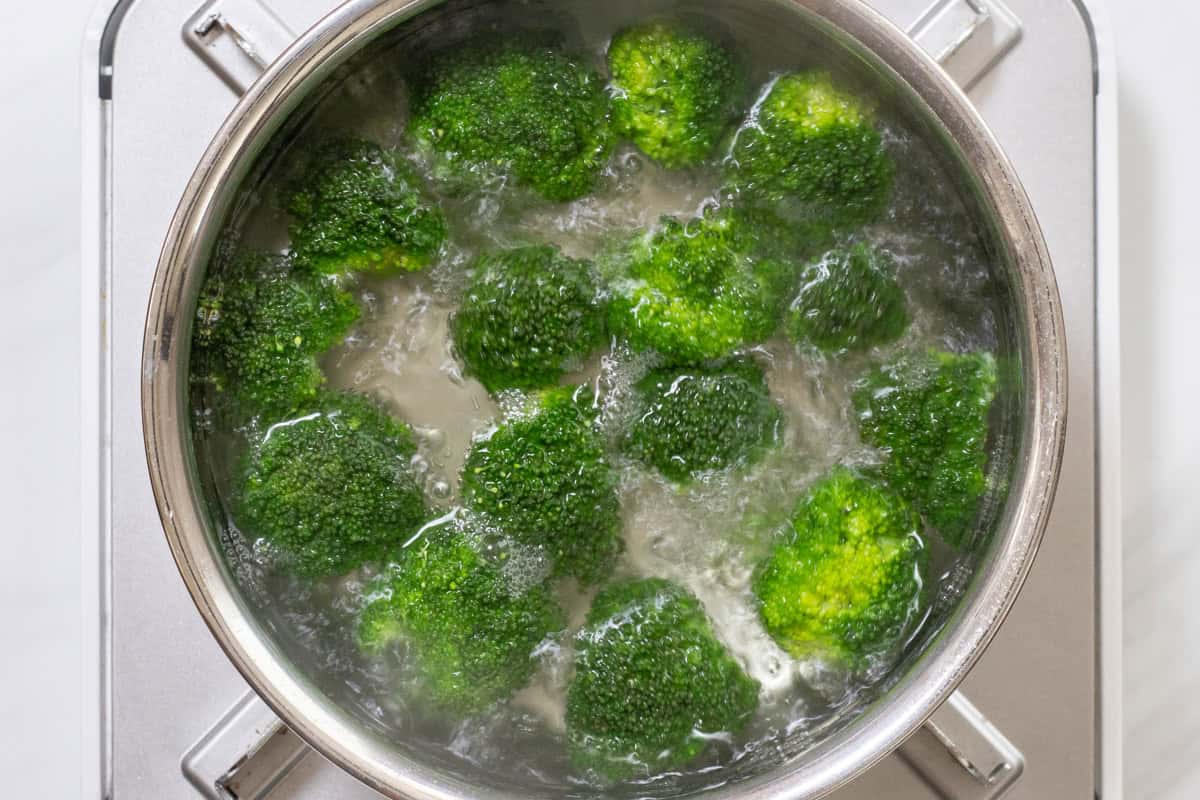
Fill a pot with plenty of water and bring it to a boil. Once boiling, add salt (about 1% of the water's volume, not included in the ingredient list) and the broccoli, then cook for about 3 minutes.
Step 3
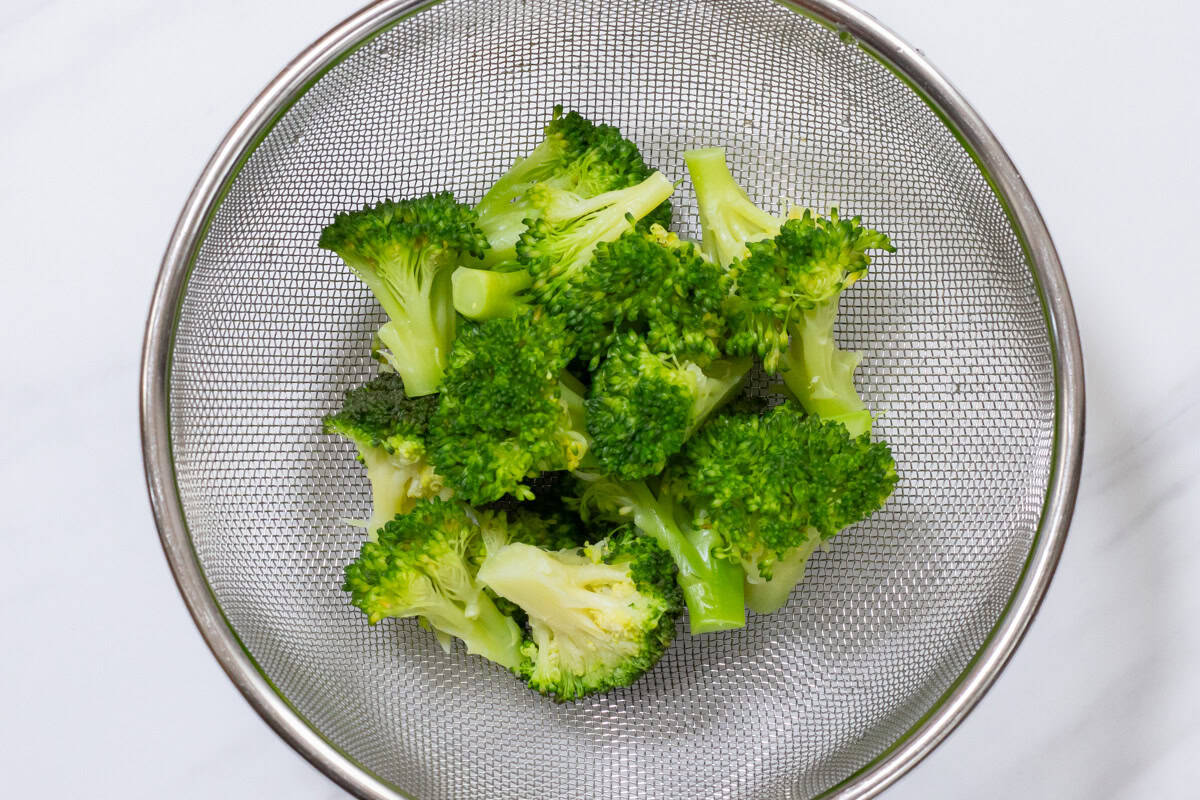
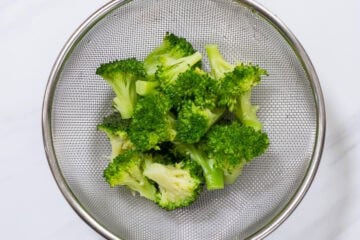
Drain the broccoli in a colander and let it cool to room temperature.

Step 4
In a small bowl, mix white miso, rice vinegar, and sugar until well combined.
Step 5
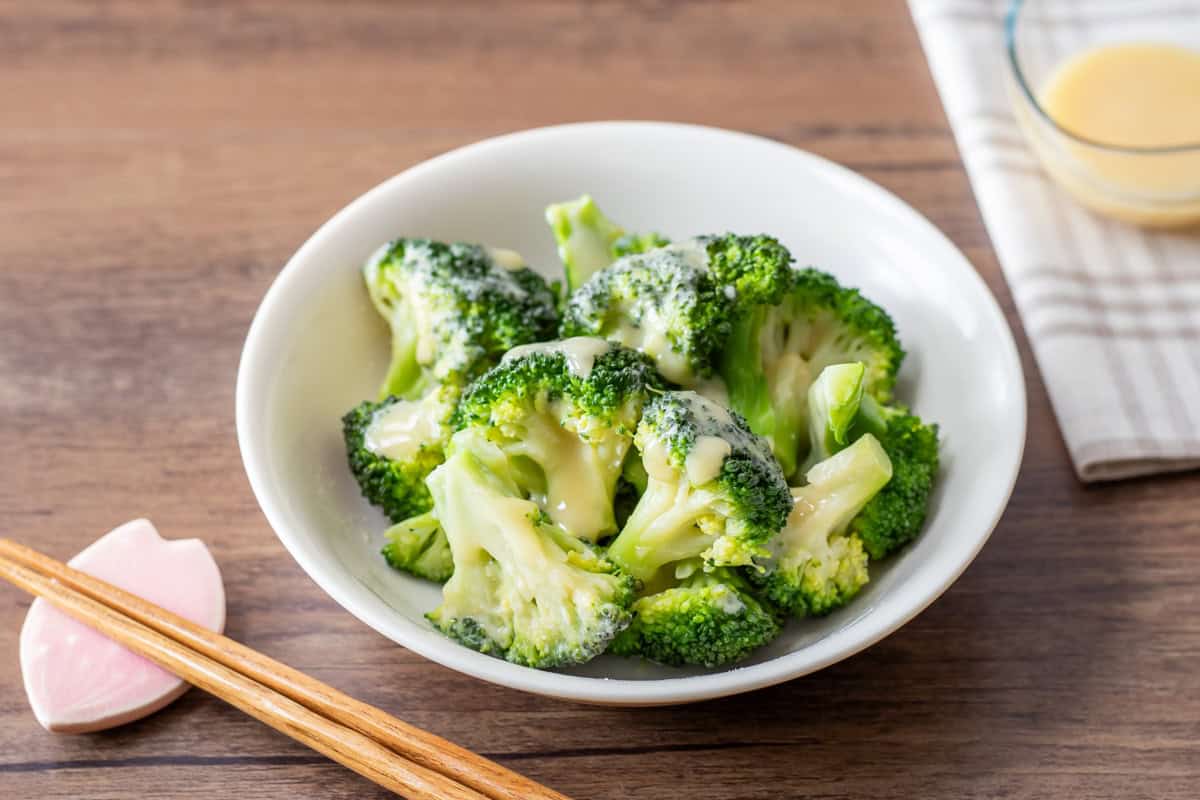
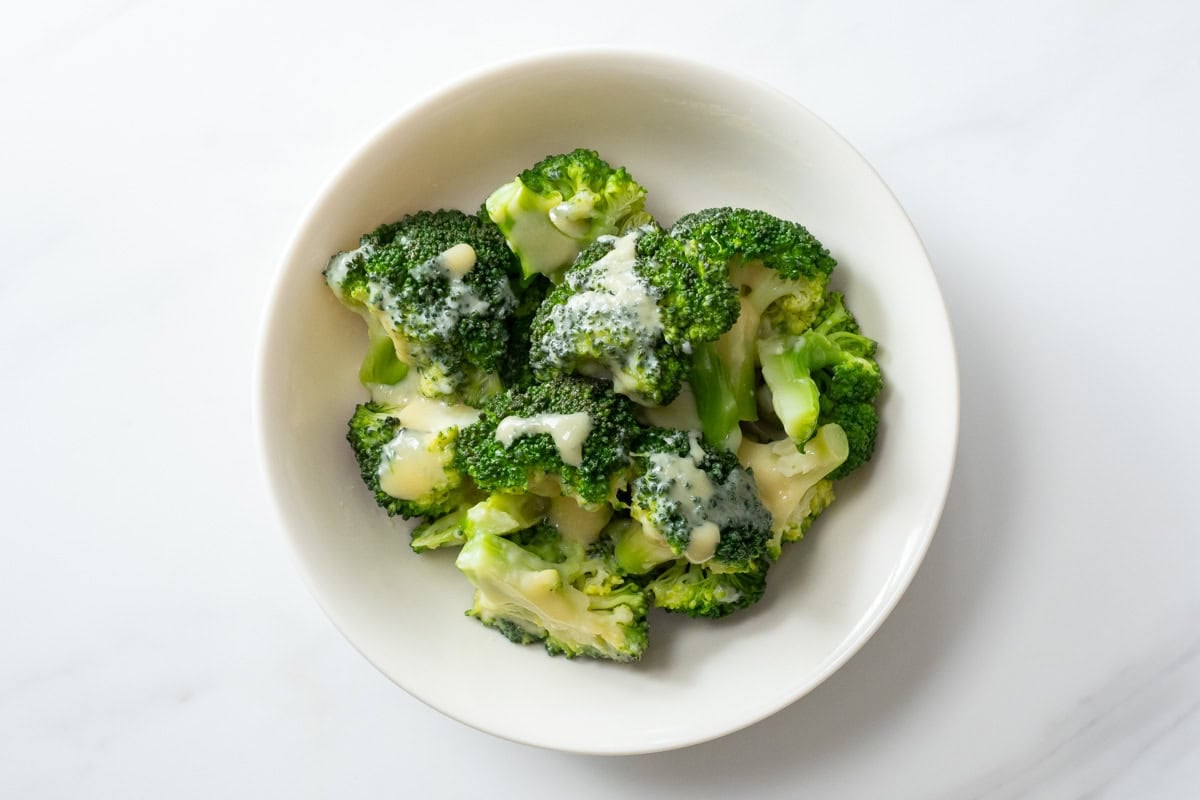
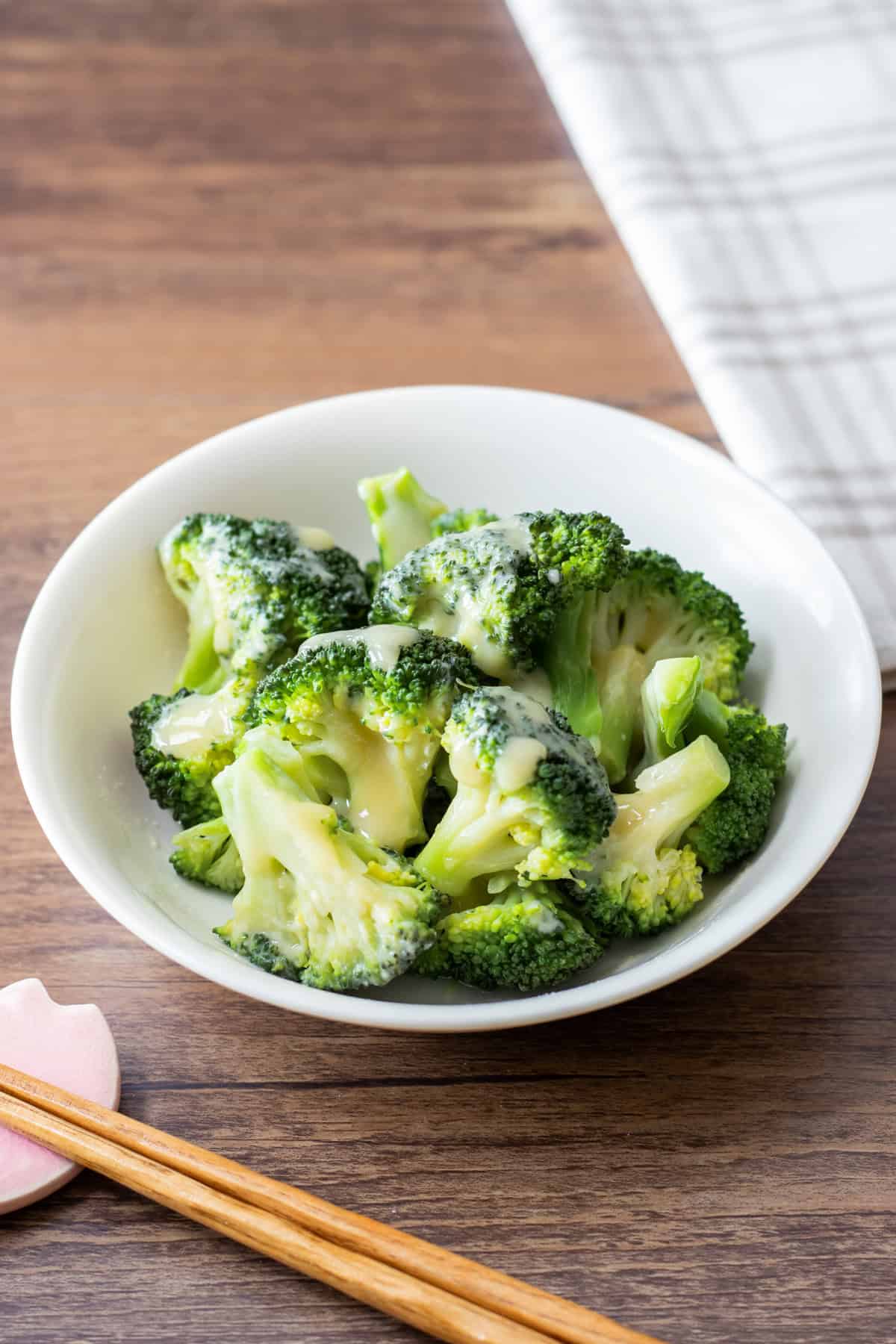
Transfer the broccoli to a plate and toss it with the sweet miso vinegar (sumiso) sauce.
To store
You can store it in the refrigerator for up to 2 days, but since it tends to become watery over time, it is best to eat it right after tossing the broccoli with the sumiso sauce. The sauce itself can be stored in the refrigerator for up to a month before mixing.
If you try this recipe, I’d love to hear what you think. Please consider leaving a review and star rating in the comments below. If you enjoyed it, I’d really appreciate it if you shared it with your friends.
More recipes you'll love
Recipe card
Broccoli Sumisoae (Sweet Miso Vinegar Sauce)
Ingredients
- 4.2 oz broccoli
- 1 Tbsp white miso (You can substitute it with other types of miso; if you do, adjust the sweetness by adding more sugar.)
- ½ Tbsp rice vinegar
- 1 tsp sugar
Instructions
- Separate the broccoli florets from the stalk. If the florets are large, cut them in half or into quarters. (If you are using the stalk, peel off the tough outer layer and slice it into thin, bite-sized pieces.)

- Fill a pot with plenty of water and bring it to a boil. Once boiling, add salt (about 1% of the water's volume, not included in the ingredient list) and the broccoli, then cook for about 3 minutes.
- Drain the broccoli in a colander and let it cool to room temperature.
- In a small bowl, mix white miso, rice vinegar, and sugar until well combined.
- Transfer the broccoli to a plate and toss it with the sweet miso vinegar (sumiso) sauce.




Notes
- You can store it in the refrigerator for up to a day, but since it tends to become watery over time, it is best to eat it right after tossing the broccoli with the sumiso sauce. The sauce itself can be stored in the refrigerator for up to a month before mixing.



Leave a Rating and a Comment