

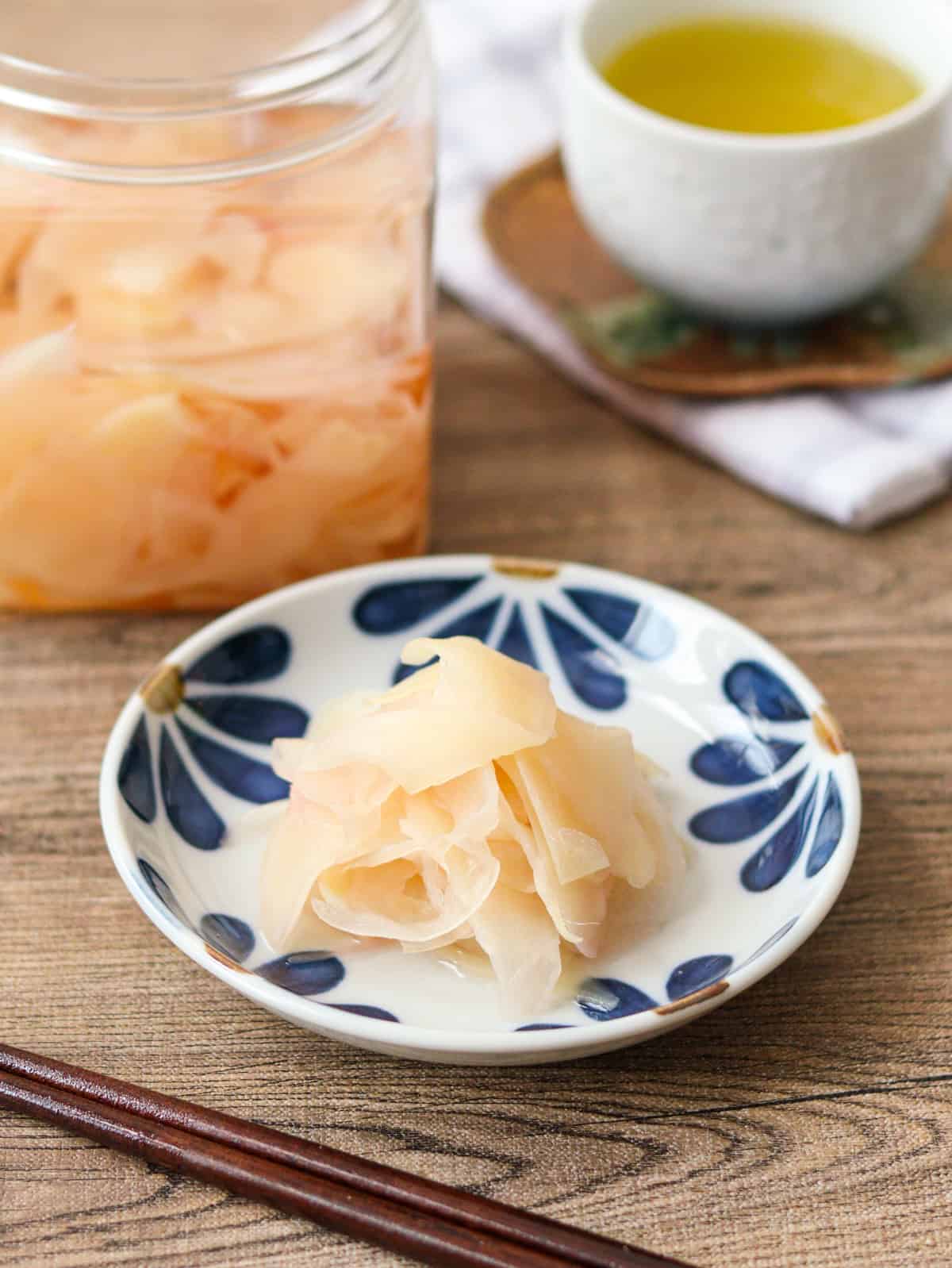
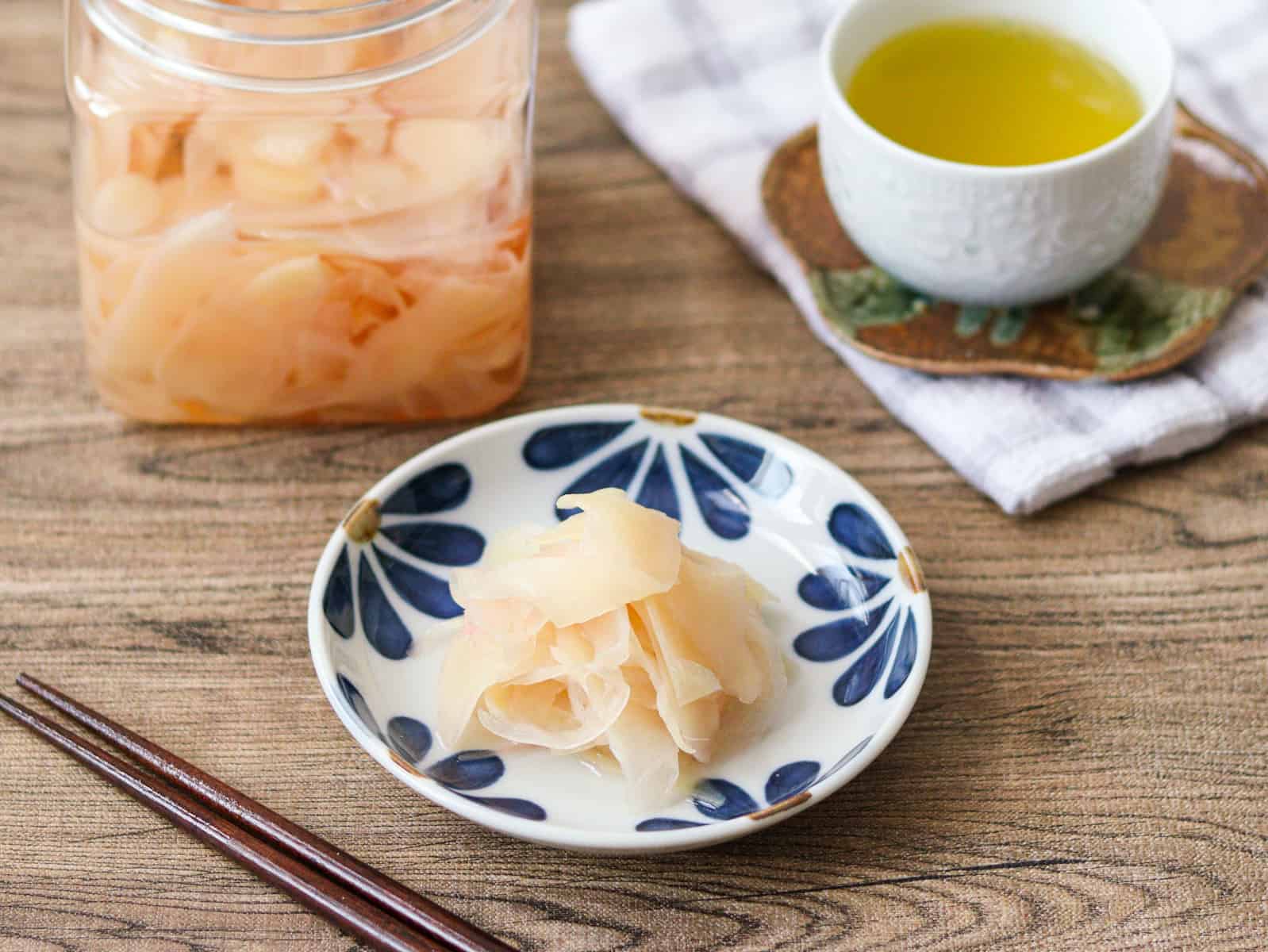
Gari, a well-known accompaniment at sushi restaurants, is an excellent palate cleanser. Although it might seem like it takes a lot of effort to make, it can actually be prepared easily at home.
Jump to:
What is Gari?
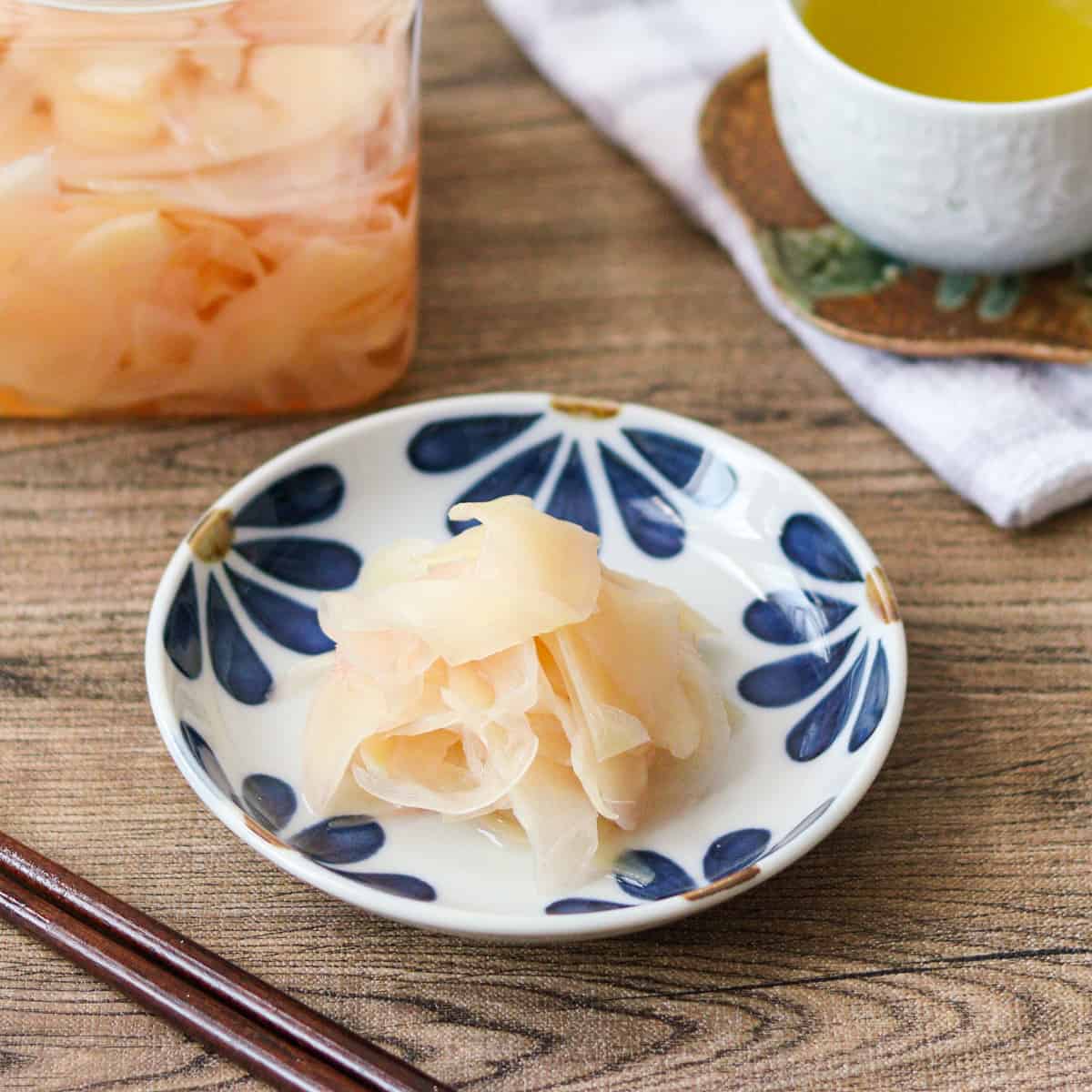
Gari is Japanese pickled ginger made by pickling thinly sliced young ginger in a sweet vinegar brine. In Japan, it is called gari because it makes a crunchy sound ('garigari') when chewed or when the ginger is thinly sliced with a knife.
While widely known as a common accompaniment to sushi, it is also used in Japan as an ingredient in rice dishes, salads, and "Chirashi Sushi." It can add a tasty accent to the flavor and texture of dishes.
Why gari is served in sushi restaurants?
At first glance, gari, which might seem unrelated to sushi, is commonly found in sushi restaurants for a reason: it plays a role in safely and deliciously consuming raw fish, as described below:
• Neutralizing bacteria
Gari contains an antibacterial component known as 'gingerol,' which helps prevent food poisoning from raw fish.
In the past, there was a tradition of eating gari with the fingers before consuming sushi. This practice served to disinfect and moisten the hands, similar to the function of a modern-day oshibori (hot towel). Incidentally, sushi vinegar and wasabi in sushi rice also have antibacterial properties similar to those found in gari.
• Palate cleanser
The sweet and tangy taste of gari helps cleanse the palate and eliminate any lingering fishy taste in the mouth. By eating gari between pieces of sushi, it allows you to enjoy the next piece of sushi even more.
• Warming up the body
Gingerol also has a warming effect. It can help warm the body and prevent it from feeling cold, even when eating cold raw fish.
Suitable ginger to use
When making gari, it is generally advisable to use young ginger instead of regular ginger. Young ginger is harvested from the newly grown part of the ginger root and has a slightly pinkish color.
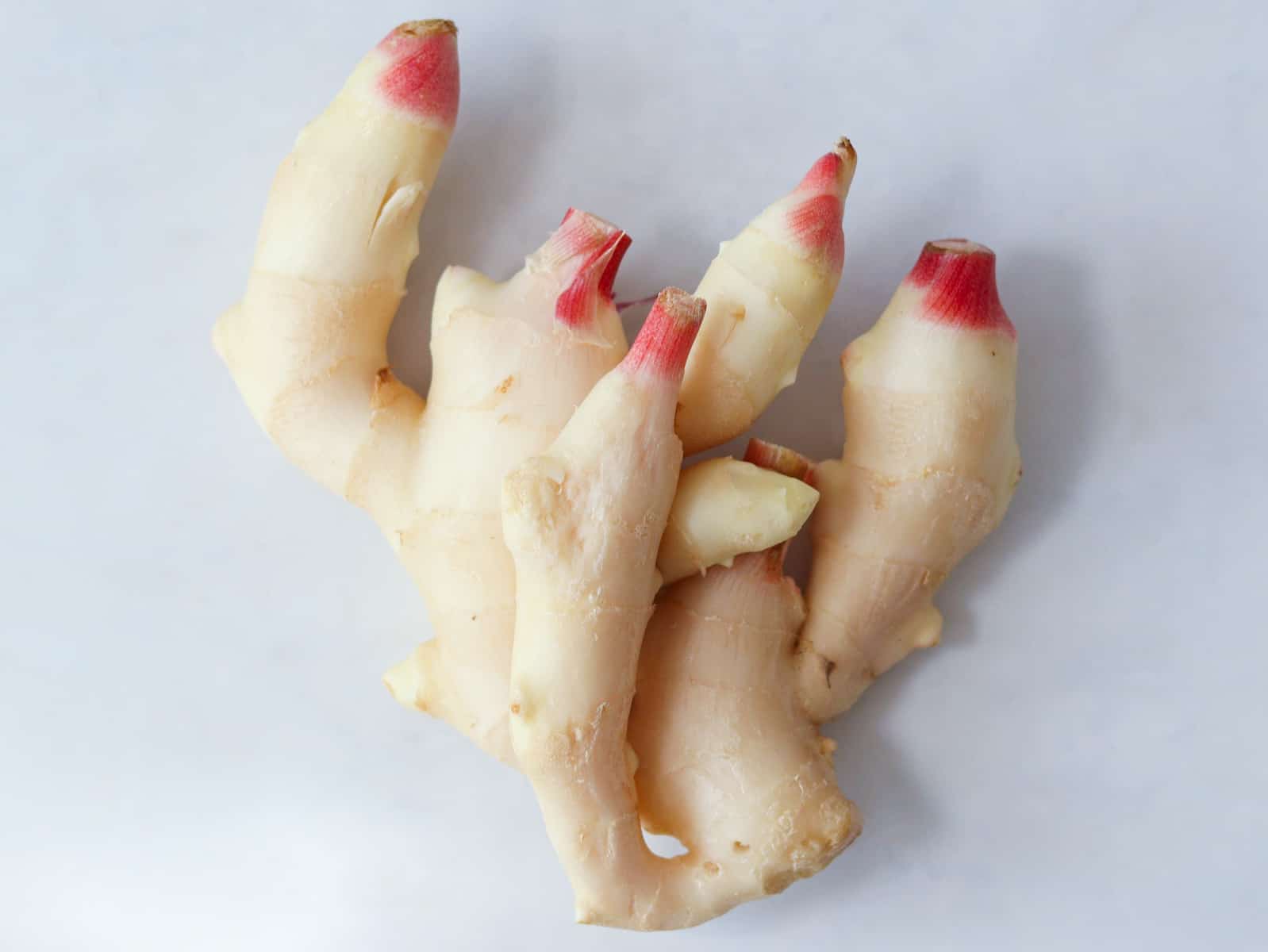
Compared to regular ginger, it is less spicy and contains more moisture. Since it doesn't last long, it is best to use fresh ginger that has not dried out or changed color.
📋Step-by-step recipe
Ingredients
- 8 oz young ginger
- ⅔ cup kombu dashi (For instructions on how to make it, please refer to the linked page.)
- ¼ cup sugar
- ½ Tbsp salt
- ⅖ cup rice vinegar
Instructions
🕒 Total: 8 hrs 30 mins
Step 1
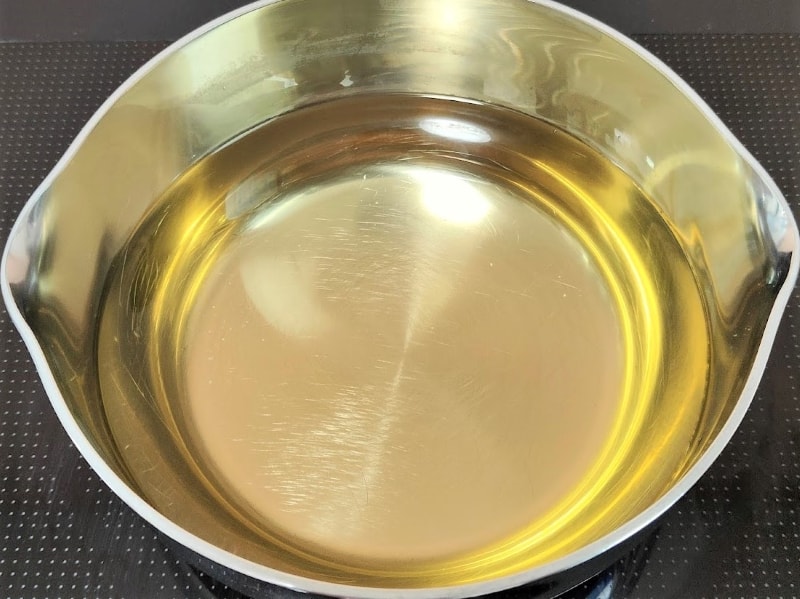
In a pot, combine kombu dashi, sugar, salt, and rice vinegar, and heat the mixture. Once the sugar has dissolved, turn off the heat and let it cool.
Step 2
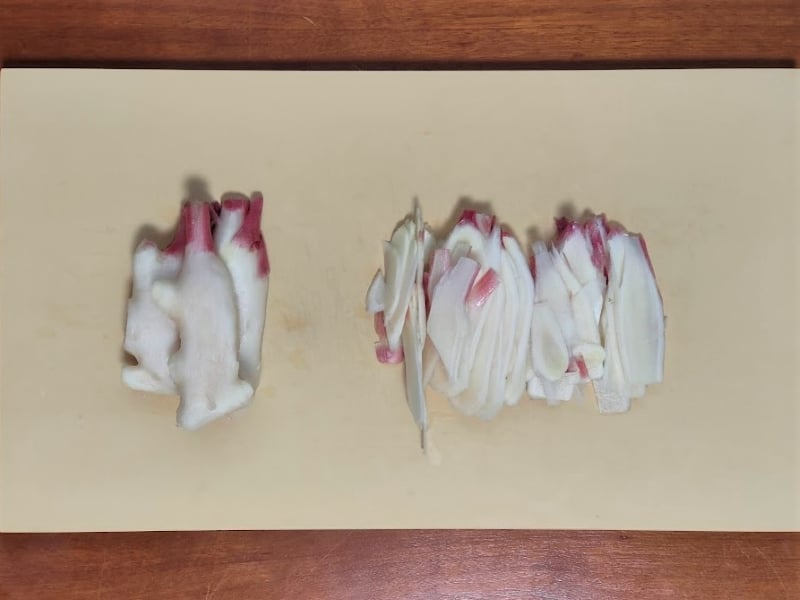
Divide young ginger into manageable pieces and scrape off its thin skin with a spoon, leaving the red parts intact. Then, slice the pieces very thinly along the fibers.
Step 3
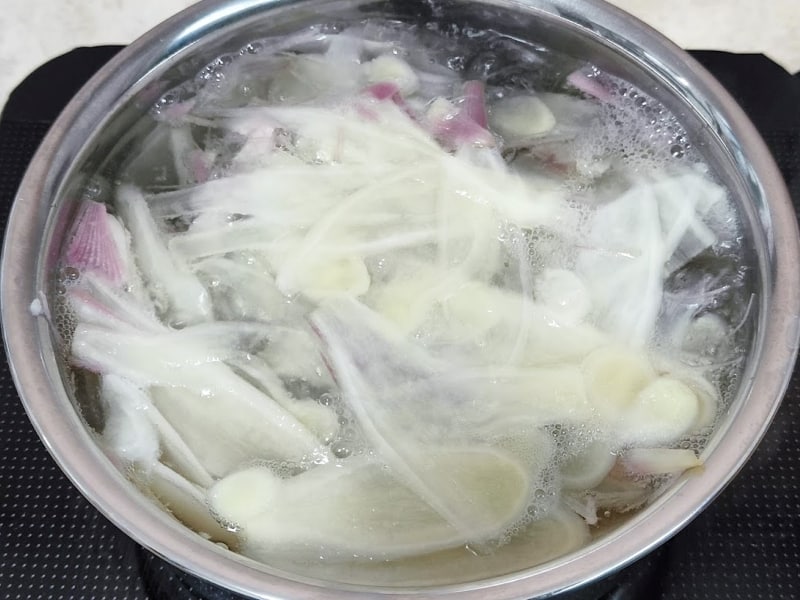
Fill a pot with plenty of water and bring it to a boil. Add the sliced ginger to the pot and boil for 1-2 minutes. Remove the ginger to a colander and let it cool.
Step 4
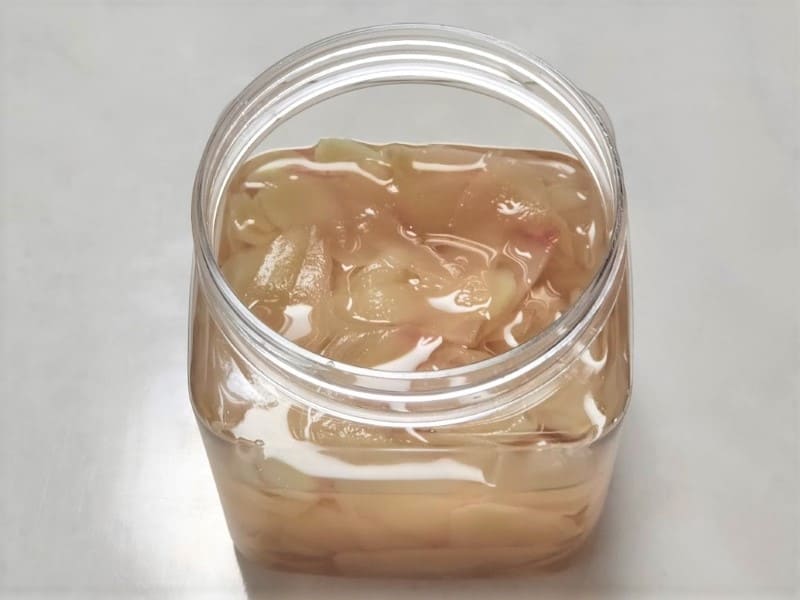
Pour the vinegar mixture into a sterilized container. Thoroughly squeeze out any excess water from the ginger with your hands, then add it to the container. Place the container in the refrigerator to pickle for at least 8 hours (preferably 2 days or more).
How to store
You can store it in the refrigerator for at least 2 months.
Tips on how to make
- When peeling young ginger, leave the red parts intact. This will give your gari a pale pink color. However, if you are not concerned about achieving a pinkish color, you can skip this process.
- Adjust the boiling time for sliced ginger based on its thickness and quantity. The spiciness of the ginger will vary depending on how long it is boiled, but you don't need to worry too much about it, as the difference is subtle.
I hope you enjoy this recipe!
If you try it, I’d love to hear how it turned out. Please leave a review 💬 and a star rating ⭐ in the comment below. Your support and feedback means so much to me!
Printable Recipe Card
Gari (Pickled Sushi Ginger)
Ingredients
- 8 oz young ginger
- ⅔ cup kombu dashi (For instructions on how to make it, please refer to the linked page.)
- ¼ cup sugar
- ½ Tbsp salt
- ⅖ cup rice vinegar
Instructions
- In a pot, combine kombu dashi, sugar, salt, and rice vinegar, and heat the mixture. Once the sugar has dissolved, turn off the heat and let it cool.
- Divide young ginger into manageable pieces and scrape off its thin skin with a spoon, leaving the red parts intact. Then, slice the pieces very thinly along the fibers.
- Fill a pot with plenty of water and bring it to a boil. Add the sliced ginger to the pot and boil for 1-2 minutes. Remove the ginger to a colander and let it cool.
- Pour the vinegar mixture into a sterilized container. Thoroughly squeeze out any excess water from the ginger with your hands, then add it to the container. Place the container in the refrigerator to pickle for at least 8 hours (preferably 2 days or more).
Notes
- You can store it in the refrigerator for at least 2 months.
Ryo Hikita (Umami Pot) says
I made a significant mistake in the recipe regarding the measuring cup amounts of 'kombu dashi' and 'rice vinegar'. I apologize to those who followed the recipe with the wrong quantity. The correct amounts have now been updated.