

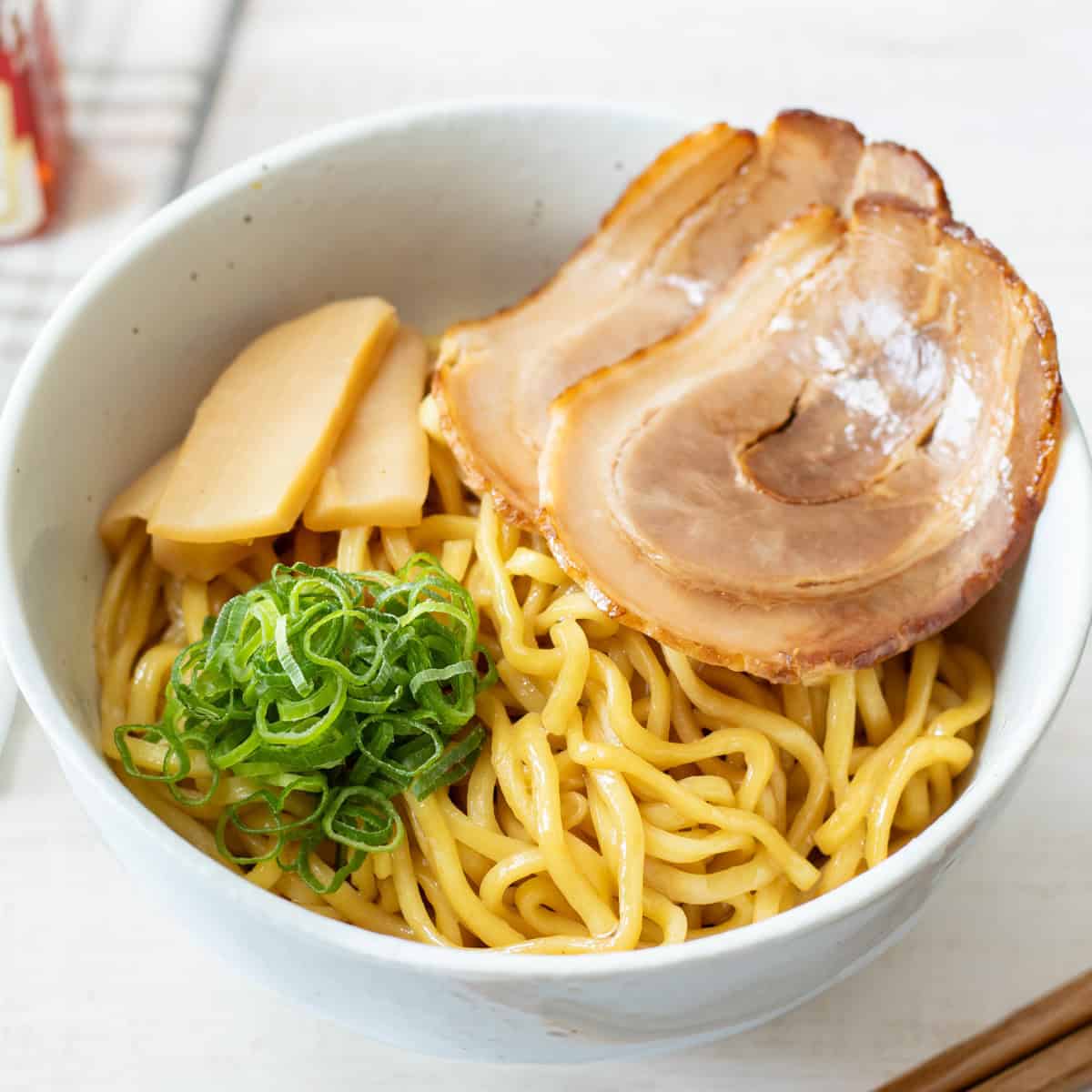
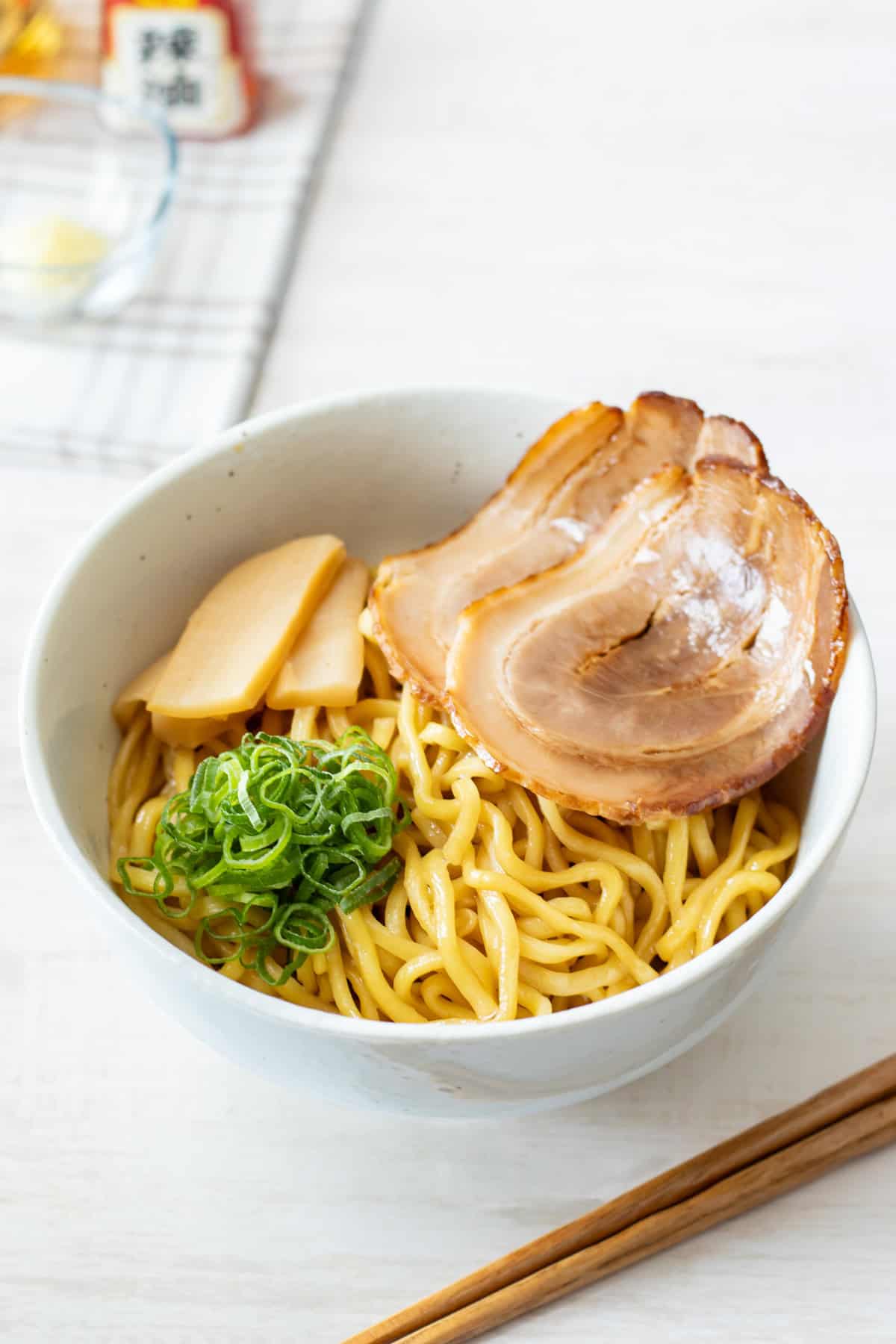
Abura Soba is an addictive Japanese noodle dish tossed in a rich, soy-based sauce and aromatic oil that will have you hooked from the very first bite. Also known as "brothless ramen" or "soupless ramen," it is much easier to recreate at home than traditional ramen because there is no need to prepare a broth, making it easy to enjoy authentic flavors right in your own kitchen.
Jump to:
What is Abura Soba?
Abura Soba is a dish made with freshly cooked ramen noodles tossed in a soy-based sauce and aromatic oil. "Abura" means oil, while "Soba" here refers to Chinese-style noodles, as in the Japanese term "chuka soba," meaning ramen noodles. The dish gets its name from the use of oil as one of its key ingredients.
Despite its name, it is not an especially oil-heavy dish. Rather, it is essentially a brothless version of ramen. Traditional ramen typically consists of several key components—broth, tare (seasoning sauce), aromatic oil, noodles, and toppings—while abura soba omits the broth. By seasoning the noodles with just soy-based tare and aromatic oil, you can appreciate the natural flavor of the noodles more directly while still enjoying a rich, savory taste.
The dish is said to have originated in the Tama area of Tokyo, near Musashino, in the 1950s, and today, you can find specialty abura soba restaurants throughout Japan. It is also an excellent choice for anyone who wants to enjoy a ramen-style dish at home without much effort. It comes together quickly, so feel free to give it a try.
The key components of Abura Soba
Let's take a look at the two key components that define the flavor of this dish: the soy-based sauce (tare) and the aromatic oil.
The soy-based sauce sets the overall flavor profile, while the aromatic oil adds richness and depth. Unlike ramen, which comes in varieties such as shoyu (soy sauce-based), miso, tonkotsu (pork-bone broth), and shio (salt-based), abura soba doesn't have as many distinct flavor categories. It is typically built around a soy-based flavor that coats the noodles well even without broth (though miso-flavored versions can occasionally be found).
The preparation is incredibly simple: just combine some of the ingredients listed below.
Soy-Based Sauce:
- Soy sauce
- Oyster sauce
- Mirin
- Sugar
- Vinegar
- Dried fish powder
- Garlic
Aromatic Oil:
- Sesame oil
- Lard
- Chicken fat
- Garlic oil
- Scallion oil
The ingredients and proportions used vary widely from person to person and from restaurant to restaurant, which is why there are so many different takes on what is simply called abura soba. For example, adding more vinegar gives the dish a refreshing flavor, while using more dried fish powder or garlic creates a much bolder, more intense taste.
In the recipe, I have included my favorite combination and proportions, but there is one more ingredient I use in addition to these: chicken bouillon powder.
One reason I believe ramen is so popular is that you can really taste the rich umami of the broth. Chicken bouillon powder contains plenty of that same kind of umami, so it works well to enhance the flavor of abura soba. Adding that extra layer of umami gives the dish a deeper, more complex flavor reminiscent of ramen. It also helps bring the noodles, sauce, and oil together into a more cohesive whole, so I highly recommend including it as a secret ingredient.
Choosing the right noodles
Since ramen noodles are the star of abura soba, it is worth giving some thought to the type of noodles you use, if possible.
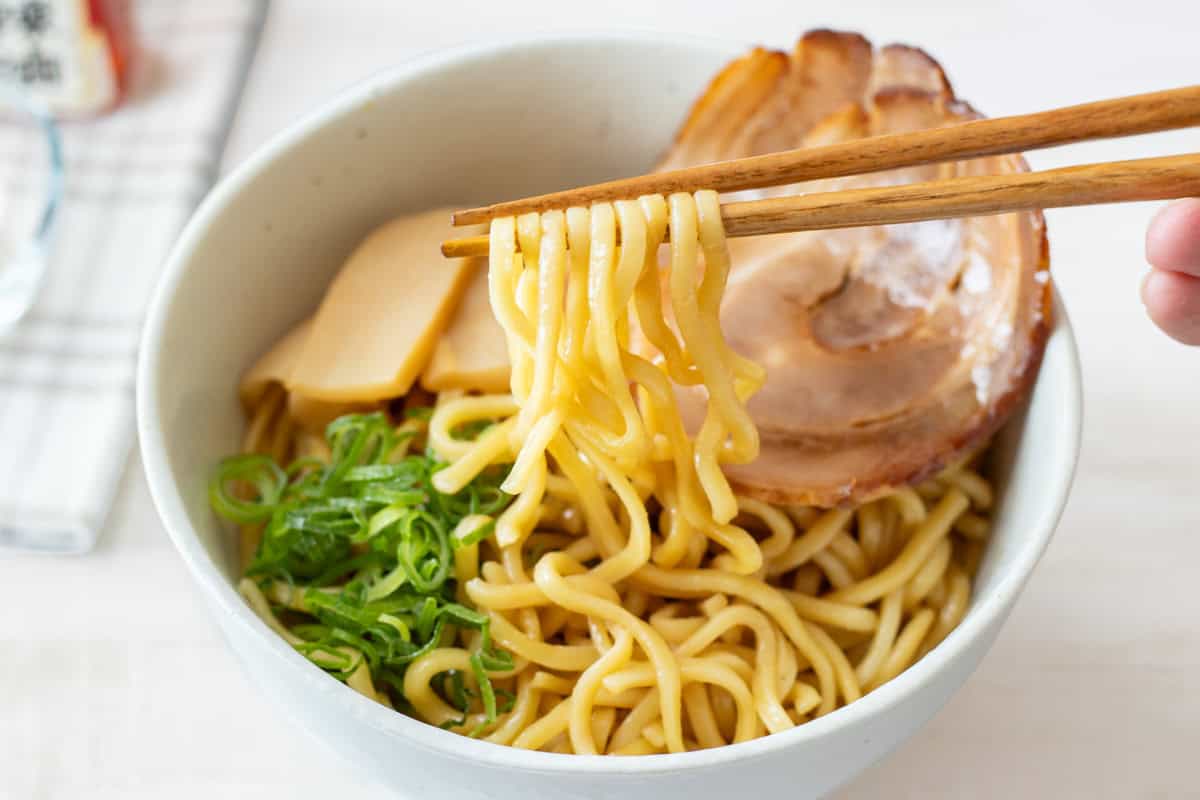
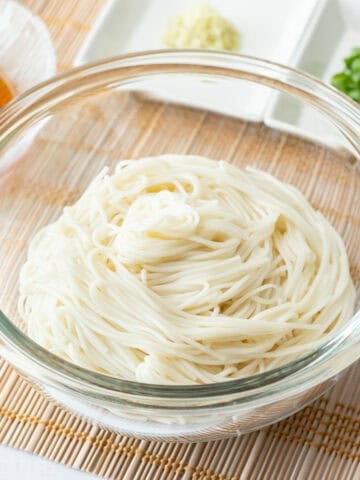
Ramen noodles come in a variety of thicknesses, from thin and medium-thick to thick and extra-thick. For abura soba, however, noodles that are substantial enough to stand up to the rich, flavorful sauce are ideal. The best choice depends somewhat on the sauce, but in general, medium-thick or thick noodles work particularly well. Wavy noodles are also preferable to straight ones, as they allow the sauce to cling to them better.
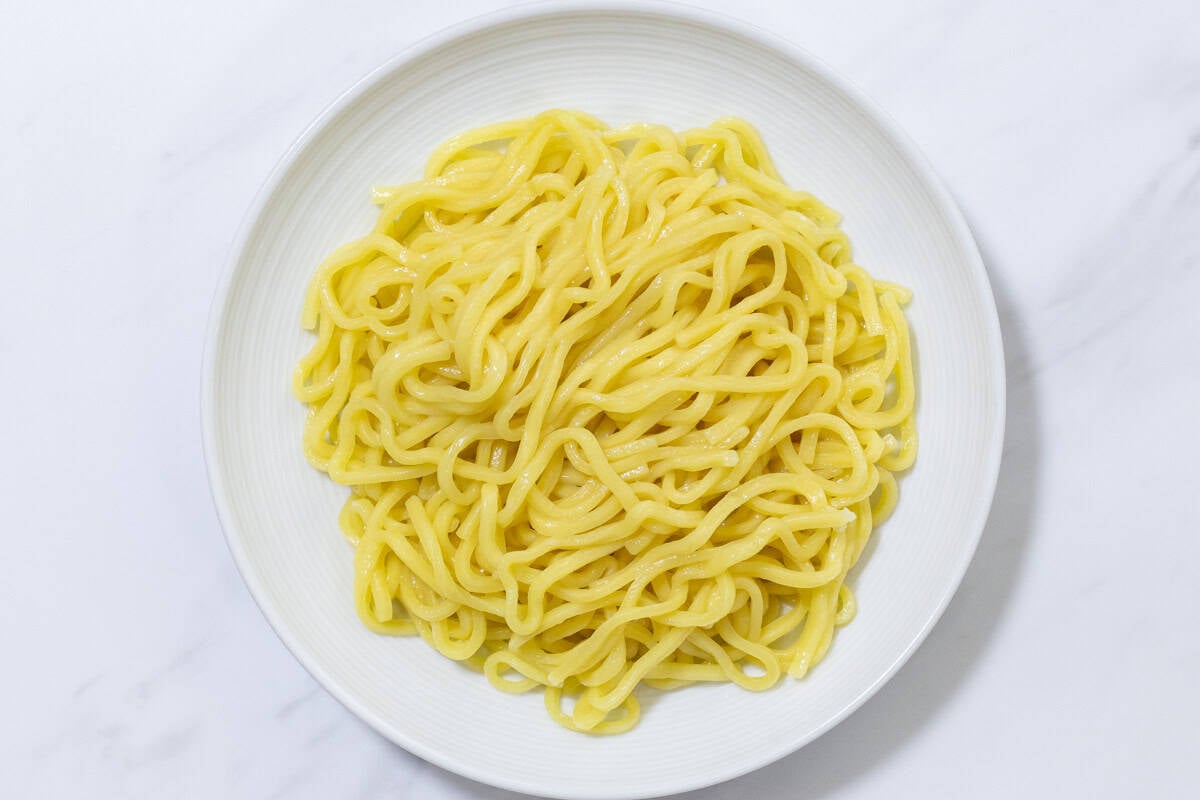
As for the amount of noodles, this dish typically calls for a slightly larger serving than ramen to balance the rich flavor of the sauce. A typical serving of ramen uses about 4.2-6 oz (120-170 g) of noodles, while abura soba generally uses about 5.3-7 oz (150-200 g).
That said, for many people living outside Japan, finding ramen noodles can be challenging. In that case, there is a handy trick you can try: turning spaghetti into ramen-style noodles. Simply bring a large pot of water to a boil, add 1 tablespoon of food-grade baking soda and ½ teaspoon of salt per quart or liter of water, and stir until dissolved. Then, cook the spaghetti for about 30% longer than the package's recommended cooking time. (Since spaghetti absorbs water differently, use about two-thirds as much spaghetti by weight as you would ramen noodles in the recipe.) While the result won't be as thick or wavy as ramen noodles, the spaghetti will still have a flavor and texture quite similar to those of typical ramen noodles.
This is a relatively well-known hack in Japan, and if you can't get your hands on ramen noodles, it's definitely worth a try. If you'd like to learn more about this hack, please check out the article "How to Turn Spaghetti into Ramen-Style Noodles."
Toppings and condiments
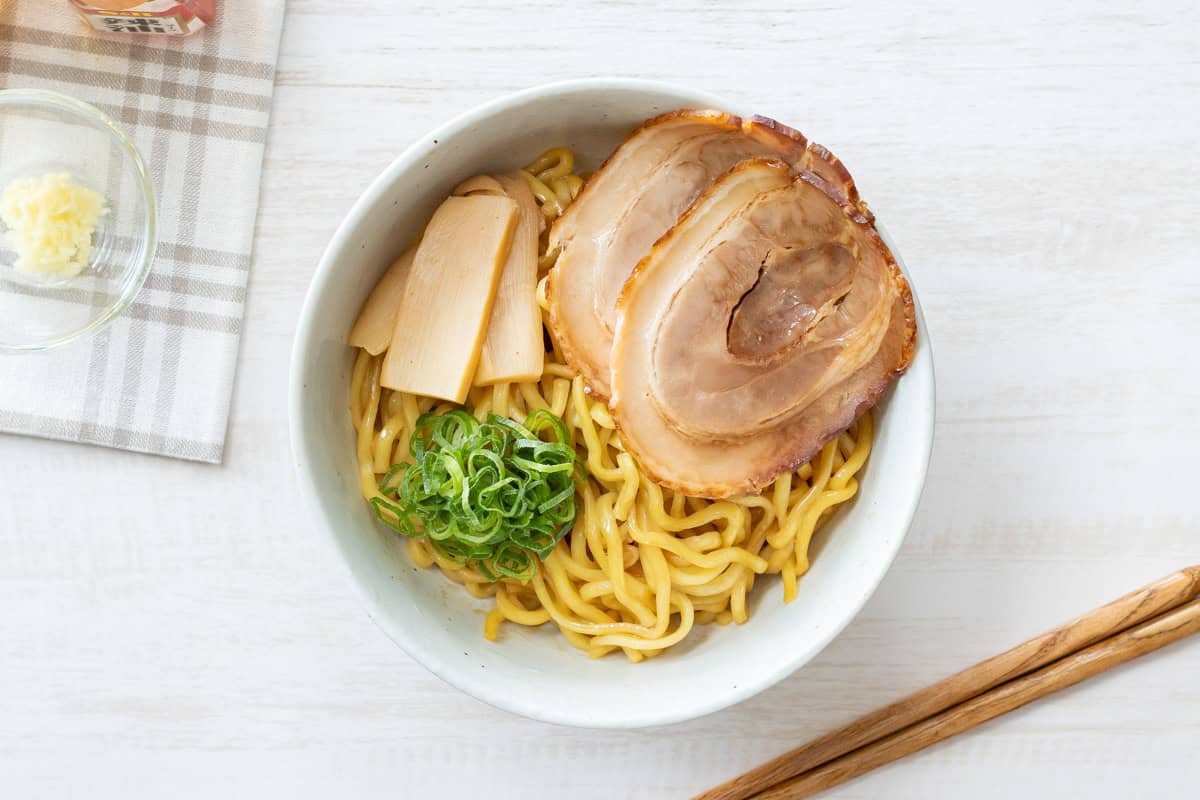
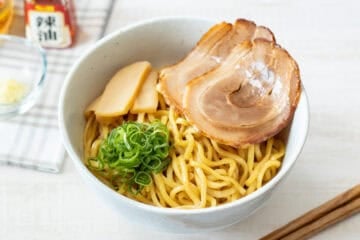
Once you toss the cooked noodles with a soy-based sauce and aromatic oil, your abura soba is ready. Add your favorite toppings to enhance the flavor, texture, and visual appeal. Some of the most common toppings for abura soba include:
- Chashu pork (braised pork)
- Menma (seasoned bamboo shoots)
- Nitamago (Japanese seasoned boiled eggs, often called ramen eggs), onsen tamago (hot spring eggs), or pasteurized raw egg yolk
- Naruto (fish cake)
- Green onions (scallions) or finely chopped onions
- Nori seaweed
If you want to keep the dish simple, green onions alone make a great topping. If you want to make it more authentic, try a combination of chashu, menma (or some type of egg), and green onions. Ultimately, the choice of toppings is entirely up to you.
In addition to these toppings, the following are commonly served as condiments to customize the flavor:
- Vinegar
- La-yu (Japanese chili oil)
- Grated garlic
These are classic condiments that are often served alongside abura soba. Keeping them on the side allows each person to add them to taste, either at the beginning or as they eat, to change the flavor. In particular, many people consider vinegar and la-yu essential to the abura soba experience, so I highly recommend giving them a try.
📋Step-by-step recipe
Ingredients
- 6 oz ramen noodles (preferably wavy, medium-thick or thick noodles; if you can't find ramen noodles where you live, try this hack to turn spaghetti into ramen-style noodles.)
- 1 Tbsp soy sauce
- 1 tsp oyster sauce
- ½ tsp sugar
- ½ Tbsp toasted sesame oil
- 1 Tbsp lard
- ½ tsp Chinese-style chicken bouillon powder
Toppings (optional):
- chashu pork (braised pork)
- menma (seasoned bamboo shoots)
- green onion / scallion
Condiments (optional):
- vinegar
- la-yu (Japanese chili oil)
- grated garlic
Instructions
🕒 Total: 10 mins
Step 1
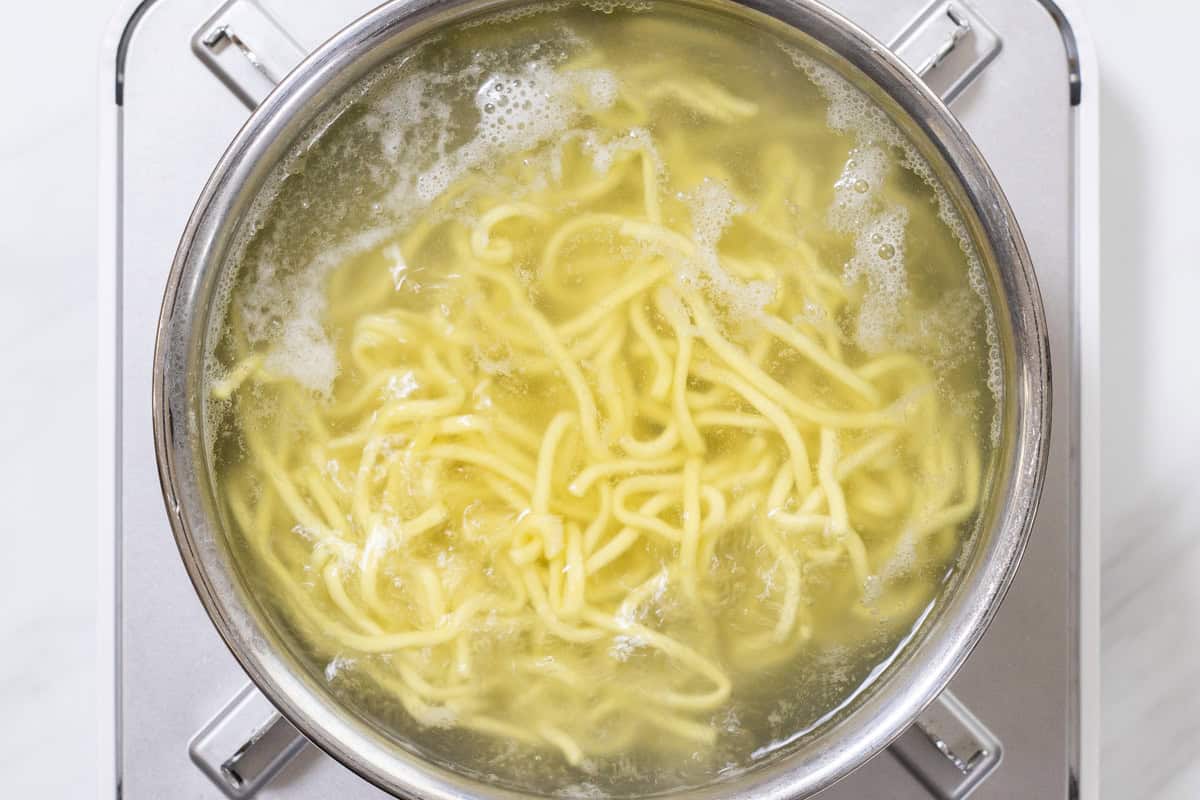
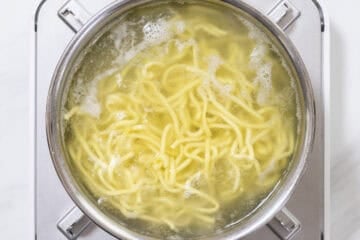
Bring a large pot of water to a boil. Once the water is boiling, add the noodles and cook according to the package instructions.
Step 2
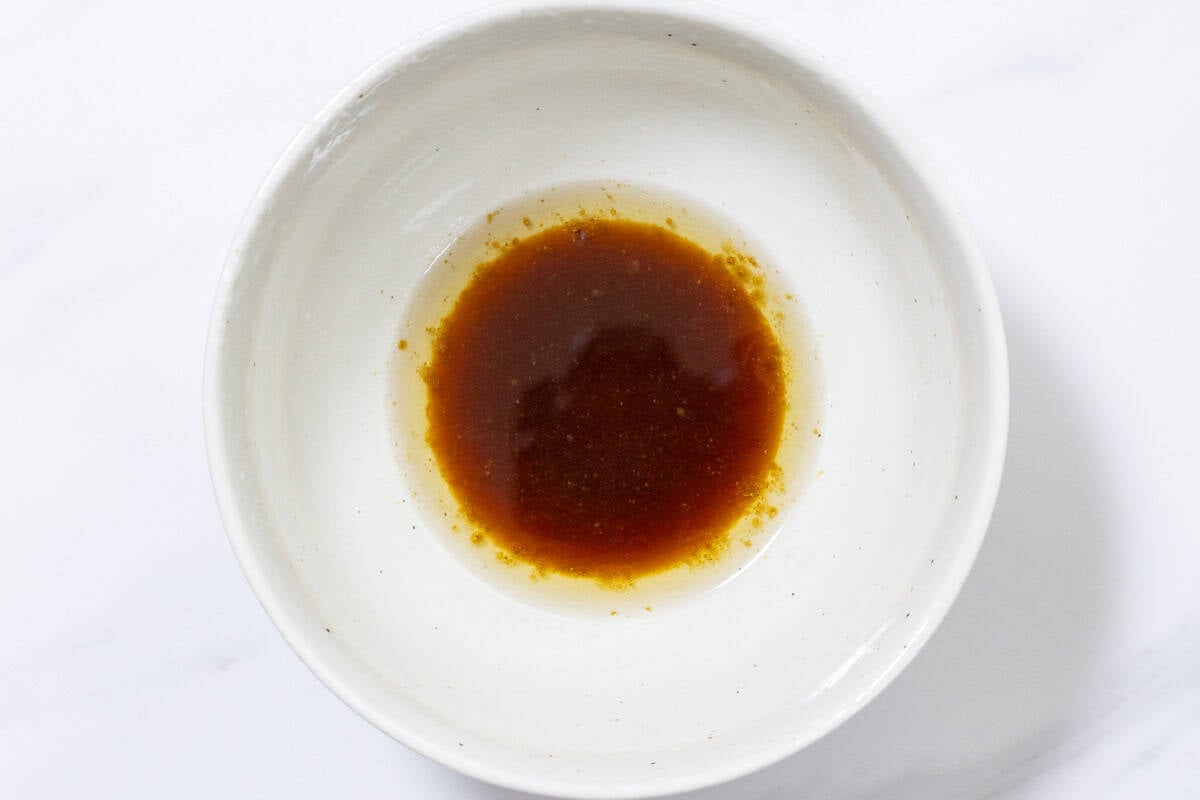
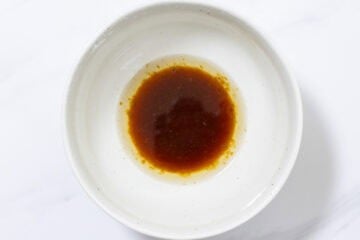
Meanwhile, combine the soy sauce, oyster sauce, sugar, sesame oil, lard, and chicken bouillon powder in a serving bowl and mix well. Microwave on medium power (500-600W) for about 20 seconds, or until the lard has melted.
Step 3
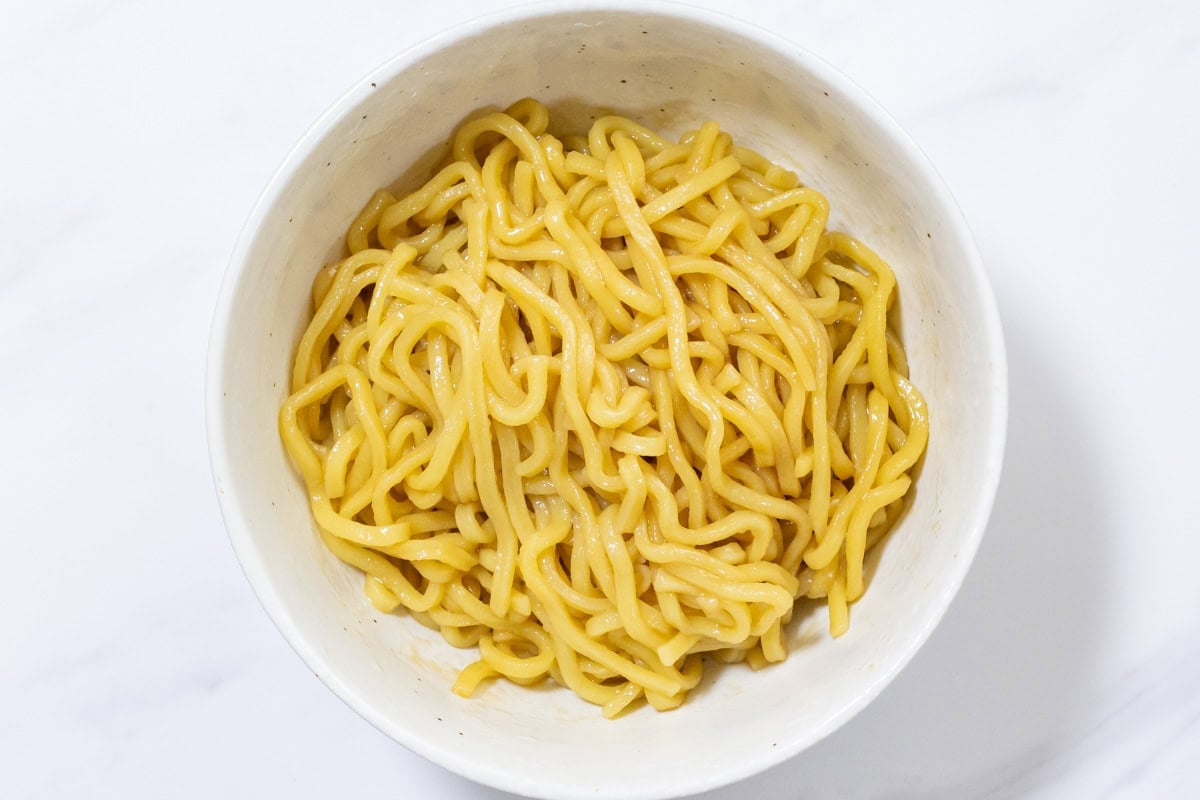
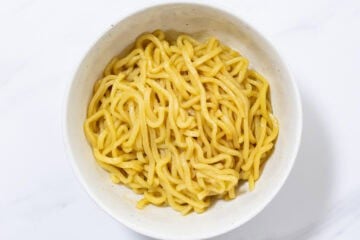
Drain the cooked noodles in a colander. Add the noodles to the bowl and toss well with the seasoning mixture.
Step 4
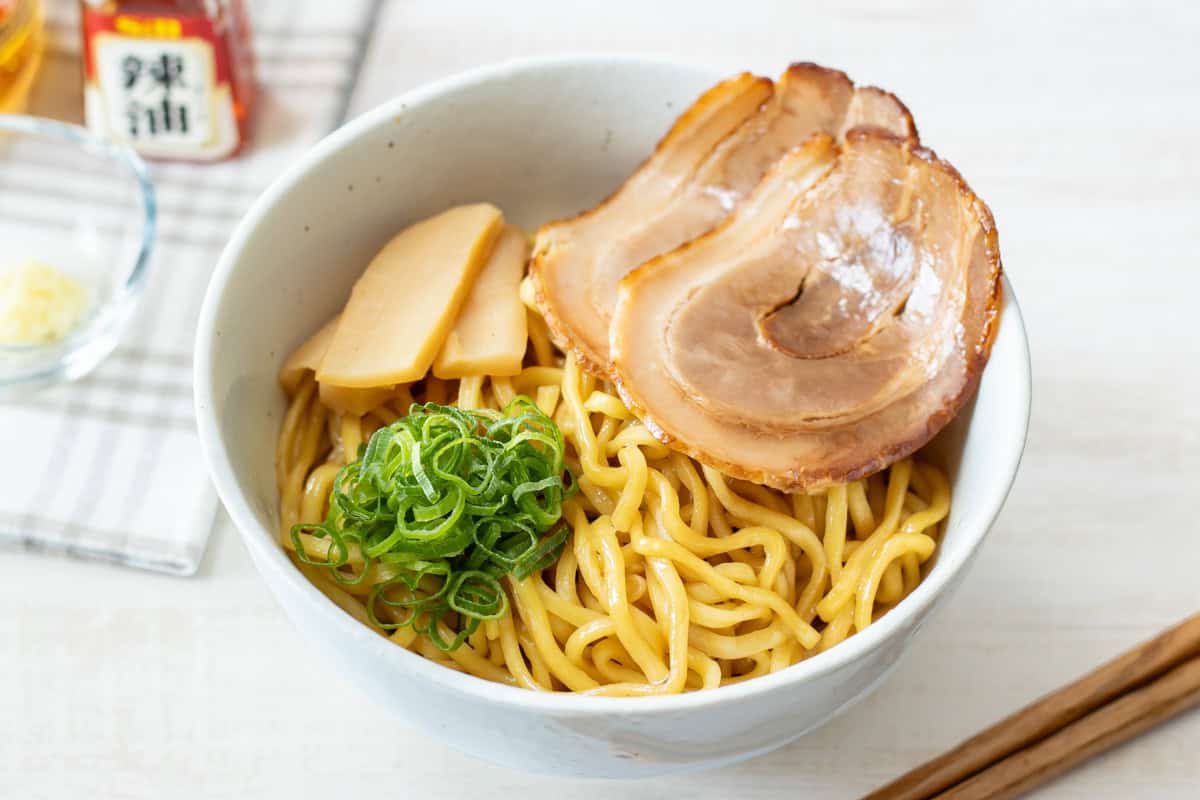
Top with your favorite toppings, such as chashu pork, menma, and chopped green onions. Serve with vinegar, la-yu, and grated garlic on the side, if desired, so that each person can add a small amount to taste, either at the beginning or while eating, to change the flavor.
How to store
This dish is not suitable for storage because cooked noodles tend to lose their texture over time, making them less enjoyable.
I hope you enjoy this recipe!
If you try it, I’d love to hear how it turned out. Please leave a review 💬 and a star rating ⭐ in the comment below. Your support and feedback means so much to me!
More recipes you'll love
Printable Recipe Card
Abura Soba (Brothless Ramen)
Ingredients
- 6 oz ramen noodles (preferably wavy, medium-thick or thick noodles; if you can't find ramen noodles where you live, try this hack to turn spaghetti into ramen-style noodles.)
- 1 Tbsp soy sauce
- 1 tsp oyster sauce
- ½ tsp sugar
- ½ Tbsp toasted sesame oil
- 1 Tbsp lard
- ½ tsp Chinese-style chicken bouillon powder
Toppings (optional):
- chashu pork (braised pork)
- menma (seasoned bamboo shoots)
- green onion / scallion
Condiments (optional):
- vinegar
- la-yu (Japanese chili oil)
- grated garlic
Instructions
- Bring a large pot of water to a boil. Once the water is boiling, add the noodles and cook according to the package instructions.

- Meanwhile, combine the soy sauce, oyster sauce, sugar, sesame oil, lard, and chicken bouillon powder in a serving bowl and mix well. Microwave on medium power (500-600W) for about 20 seconds, or until the lard has melted.
- Drain the cooked noodles in a colander. Add the noodles to the bowl and toss well with the seasoning mixture.
- Top with your favorite toppings, such as chashu pork, menma, and chopped green onions. Serve with vinegar, la-yu, and grated garlic on the side, if desired, so that each person can add a small amount to taste, either at the beginning or while eating, to change the flavor.
Notes
- This dish is not suitable for storage because cooked noodles tend to lose their texture over time, making them less enjoyable.
Leave a Rating and a Comment