

Let’s make ponzu sauce, a classic Japanese condiment that balances a refreshing citrus aroma and tartness with the savory richness of soy sauce. Store-bought versions are convenient, but it's surprisingly easy to create an authentic flavor at home.
Jump to:
What is Ponzu Sauce?
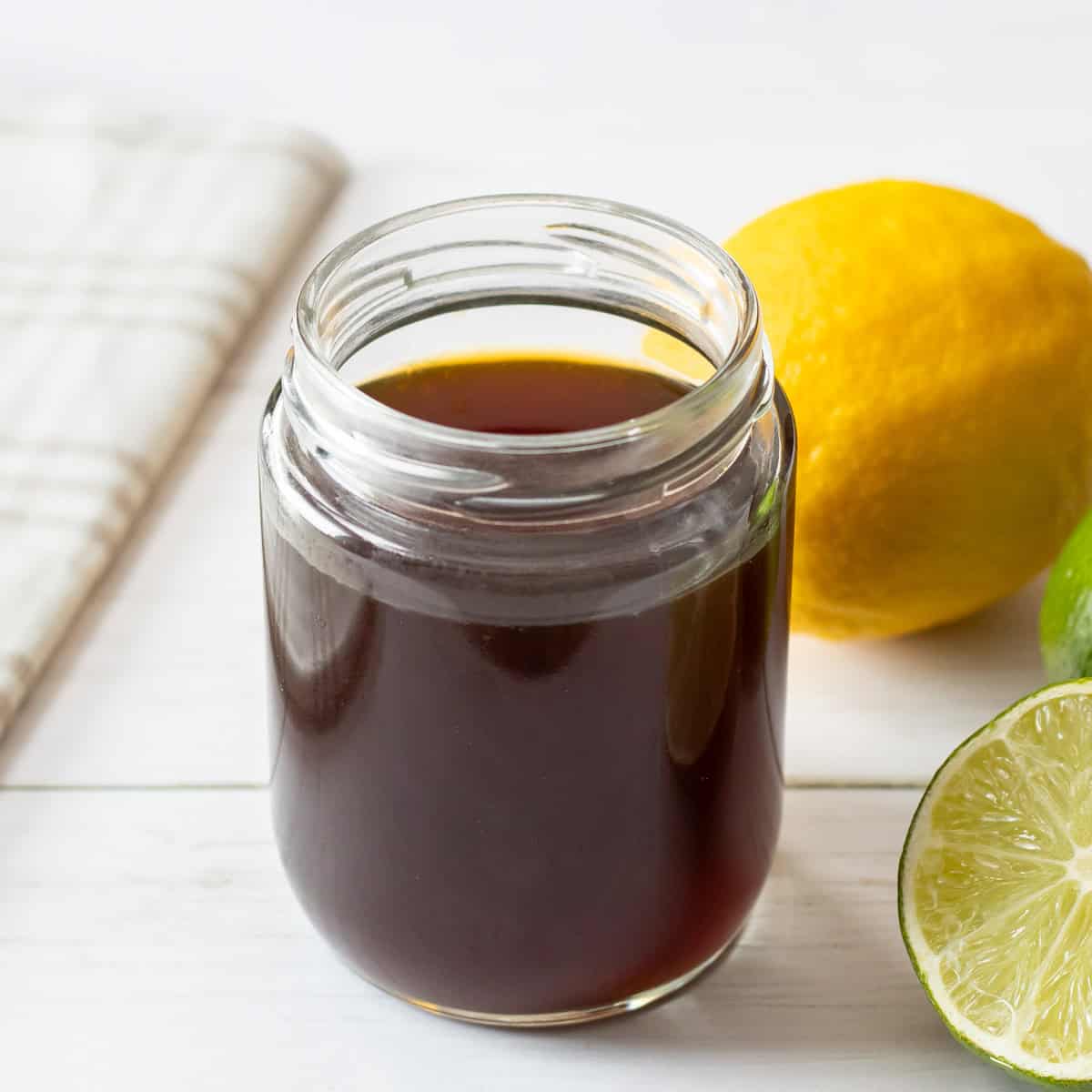
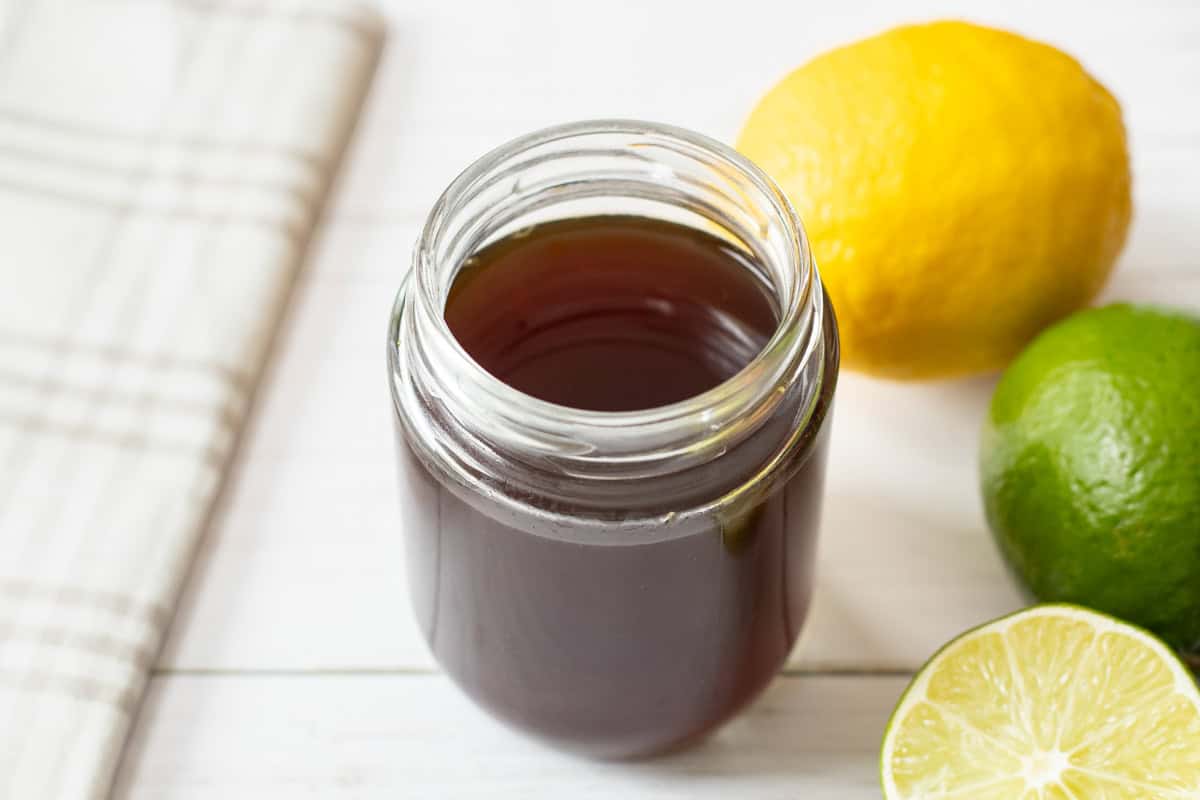
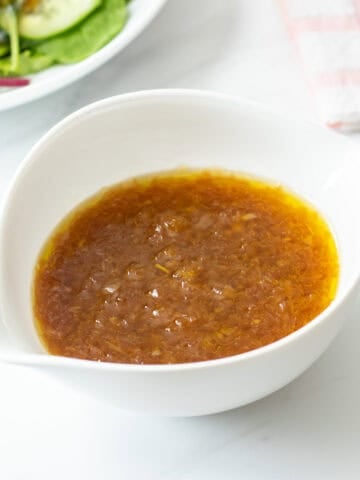
Ponzu sauce is a Japanese condiment that typically consists of citrus juice, often combined with vinegar to extend its shelf life, resulting in a light-colored or yellowish liquid. When soy sauce and mirin are added, the liquid turns darker, and this variation is called "ponzu shoyu" (ponzu soy sauce). Nowadays, this version is more commonly recognized as “ponzu” in Japan. The ponzu sauce widely known around the world is, in fact, ponzu shoyu, which has a darker appearance.
While ponzu shoyu (hereafter simply referred to as ponzu or ponzu sauce) is made by combining citrus juice, vinegar, soy sauce, mirin, and other ingredients, in Japan it is sometimes called by more specific names depending on the added flavors. For example, "kombu ponzu" incorporates kombu (dried kelp), "dashi ponzu" contains both kombu and bonito flakes (common ingredients used to make dashi stock), "yuzu ponzu" uses yuzu citrus, and "daidai ponzu" uses daidai citrus.
In other words, although we often simply say "ponzu sauce," its flavor can vary widely. However, the core ingredients are largely the same, so once you understand the basic method, it is easy to make ponzu with your preferred flavor profile. In this article and recipe, I will share a traditional method for making ponzu sauce, along with variations that add different layers of flavor.
Essential ingredients and their ratios
The basic ingredients needed to make ponzu sauce are as follows:
- Soy sauce
- Vinegar
- Citrus juice
- Mirin
Simply mixing these ingredients together makes ponzu sauce. The proportions vary depending on the region or personal preference, but certain ratios are considered especially delicious in Japan. One of the most well-known ratios is soy sauce : vinegar + citrus juice : mirin = 7 : 5 : 3.
In Japan, there is a traditional celebration called Shichi-Go-San (7-5-3), held to pray for the growth and good health of children at the ages of 3, 5, and 7. Since this ponzu ratio is 7:5:3, ponzu made with this blend is sometimes called “Shichi-Go-San (7-5-3) ponzu,” as a play on the name of the celebration. It is known for its excellent balance, allowing the ponzu itself to stand out while still enhancing the natural flavors of whatever it is paired with.
One thing to keep in mind is that ponzu sauce made simply by mixing the ingredients contains a small amount of alcohol naturally present in mirin. This is generally not a concern if the ponzu is intended for adults, but if children will also be consuming it, it is recommended to briefly simmer the mirin in a pot until the alcohol aroma disappears before mixing it with the other ingredients.
Choosing the right citrus
The flavor of ponzu sauce largely depends on the type of citrus juice used. Citrus fruits with bright acidity and a strong aroma are often preferred, such as the following commonly used varieties:
- Yuzu
- Sudachi
- Kabosu
- Daidai
That said, these citrus varieties can be difficult to find outside Japan, and even within Japan, they may not always be available depending on the season. When they are not available, you may need to substitute other types of citrus fruits.
In such cases, I recommend using a combination of lemon and lime. These fruits are widely available worldwide year-round and can create a flavor profile similar to authentic Japanese ponzu sauce. Lemon alone tends to be overly sharp, while lime alone can have a slightly grassy flavor, so try combining them in a 2:1 ratio.
Regardless of which citrus you use, be careful not to squeeze the fruit too much when extracting the juice. The peel contains many bitter and astringent compounds that can negatively affect the flavor of the ponzu. Ideally, you should stop squeezing when a small amount of juice still remains in the fruit.
Enhancing flavor with umami ingredients
You can make ponzu sauce with just soy sauce, vinegar, citrus juice, and mirin, but adding kombu (dried kelp) and/or bonito flakes (katsuobushi) gives it a richer umami flavor. Both ingredients are commonly used in Japan.
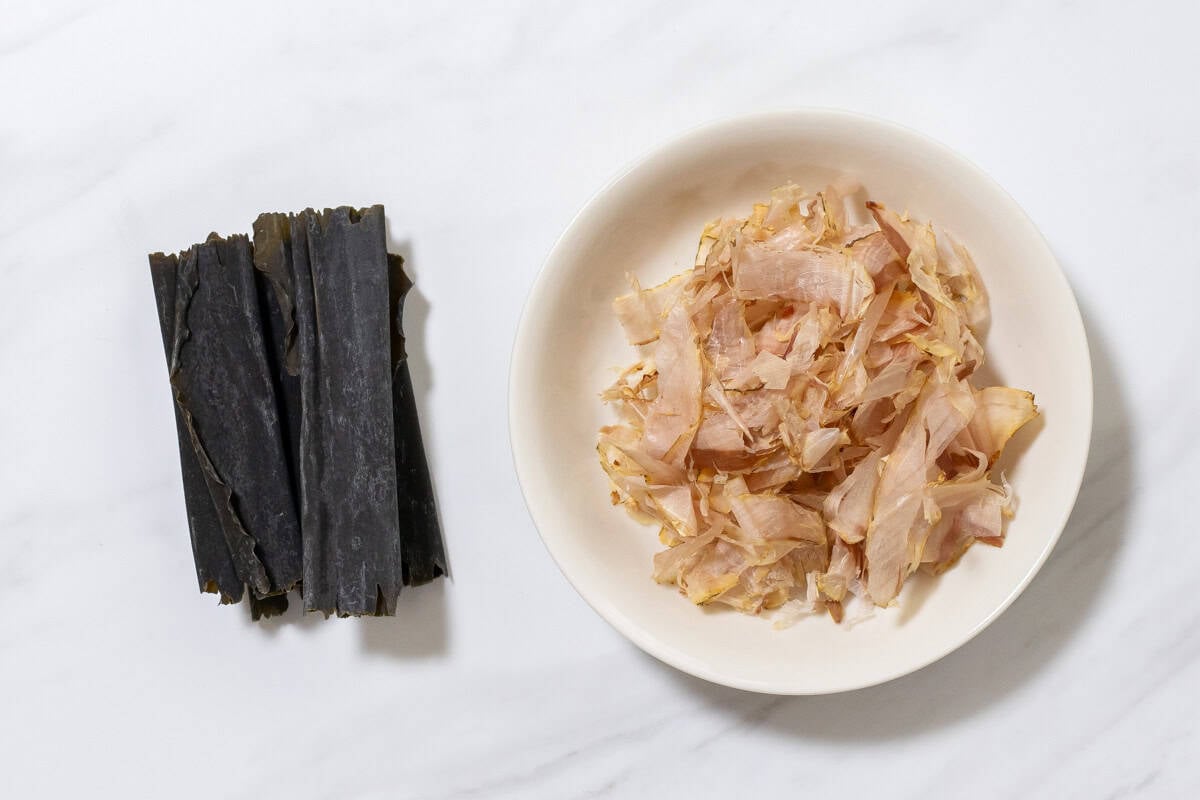
Kombu is rich in glutamic acid, while bonito flakes are high in inosinic acid. These umami compounds help mellow the sharp acidity of ponzu and add depth to the flavor. Ponzu sauce made with kombu is sometimes called "kombu ponzu," while ponzu made with both kombu and bonito flakes can be referred to as "dashi ponzu."
The process is simple: start by making the base ponzu sauce, then add the kombu and/or bonito flakes. Let it sit overnight, then remove the ingredients (if using bonito flakes, be sure to strain the liquid). One thing to keep in mind is that leaving the bonito flakes for more than a few hours, or the kombu for over 10 hours, can cause the liquid to gradually become cloudy and develop a strong, distinctive odor. For best results, it is ideal to remove each ingredient before this happens.
While these ingredients are commonly used for making ponzu sauce, they are not strictly necessary. If you want to make ponzu sauce quickly, you can skip them entirely. In the Kansai region of western Japan, where I live, and in restaurants that prioritize citrus aroma, ponzu is often made using just kombu. In other words, these additions are a matter of personal preference.
The recipe I have shared allows for any of these variations, but if you are making homemade ponzu sauce for the first time, I recommend starting with the version that includes kombu. It offers a wonderful balance—rich in umami while letting the bright citrus aroma shine.
Let the ponzu rest for better flavor
Ponzu sauce can be made simply by mixing the ingredients together, but if you use it right after preparing it, you will likely find the acidity quite strong. This is because the ingredients haven’t had time to fully blend and meld yet. To make your ponzu well-balanced, you should let it sit for a while.
After a few days to a week, the acidity will mellow and the flavor will become rounder. Even if you are short on time, it should be left to rest for at least a few hours. The longer it rests, the milder the taste becomes, but the citrus aroma will gradually diminish over time. Additionally, to reduce the risk of mold, it is best to let it rest for no more than a month after making it.
Be sure to let the ponzu sauce rest in a container with a lid and store it in the refrigerator. Storing it at room temperature is not recommended.
📋Step-by-step recipe
Ingredients
- 4 Tbsp mirin (If you skip Step 1, use ¾ of this amount.)
- 7 Tbsp soy sauce
- 2 Tbsp rice vinegar
- 3 Tbsp citrus juice (If available, use yuzu, sudachi, kabosu, or daidai for a more authentic flavor. If these are hard to find, a 2:1 ratio of lemon and lime juice works well as a substitute.)
- a small piece of kombu (dried kelp) (optional, about 0.1 oz/3 g)
- ¼ cup bonito flakes (katsuobushi) (optional)
Instructions
🕒 Total: 2 days 5 mins
Step 1 (optional)
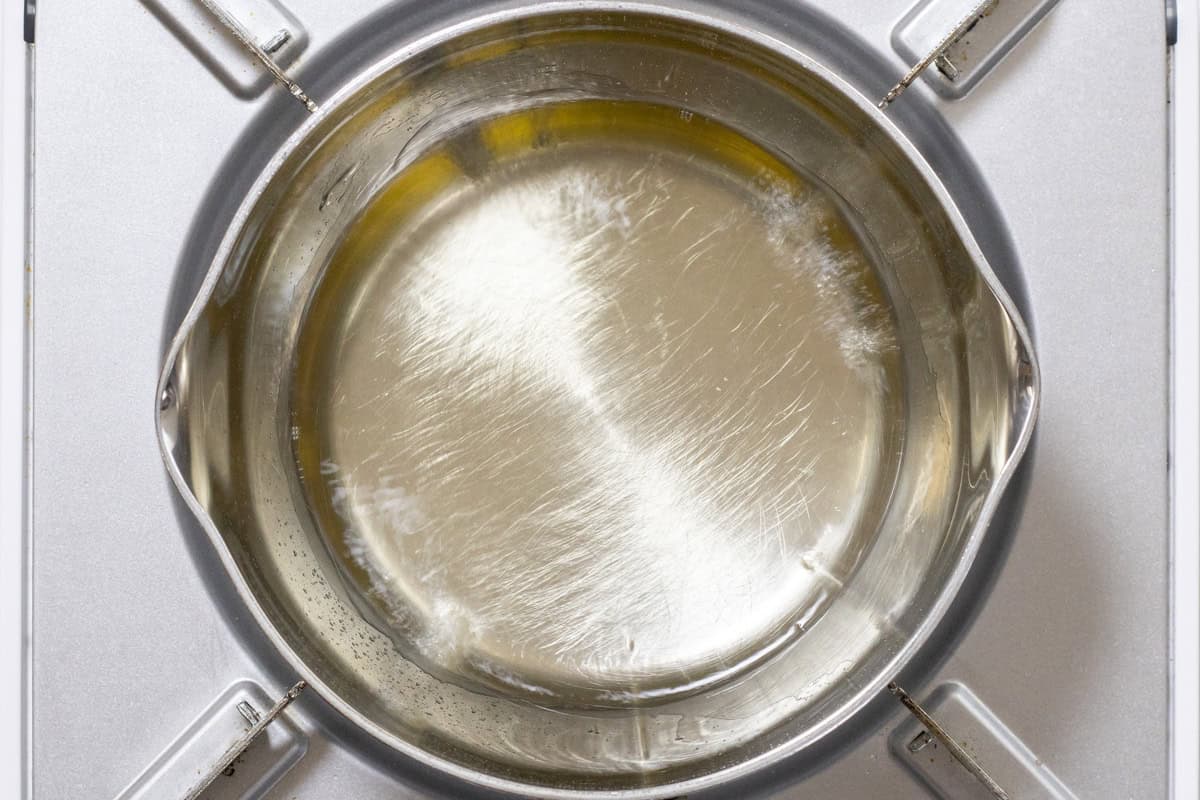
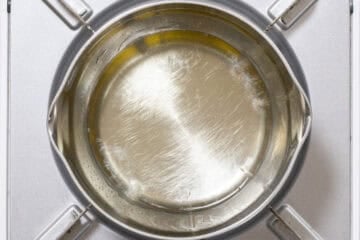
Add mirin to a pot and bring it to a boil. Once it comes to a boil, reduce the heat to low and let it simmer for about 30 seconds to 1 minute, or until the alcohol smell has dissipated. Then, remove it from the heat and let it cool to room temperature.
(Note: This step cooks off the small amount of alcohol in the mirin. If the ponzu sauce is intended for adults and will not be consumed by children, you can omit this step.)
Step 2
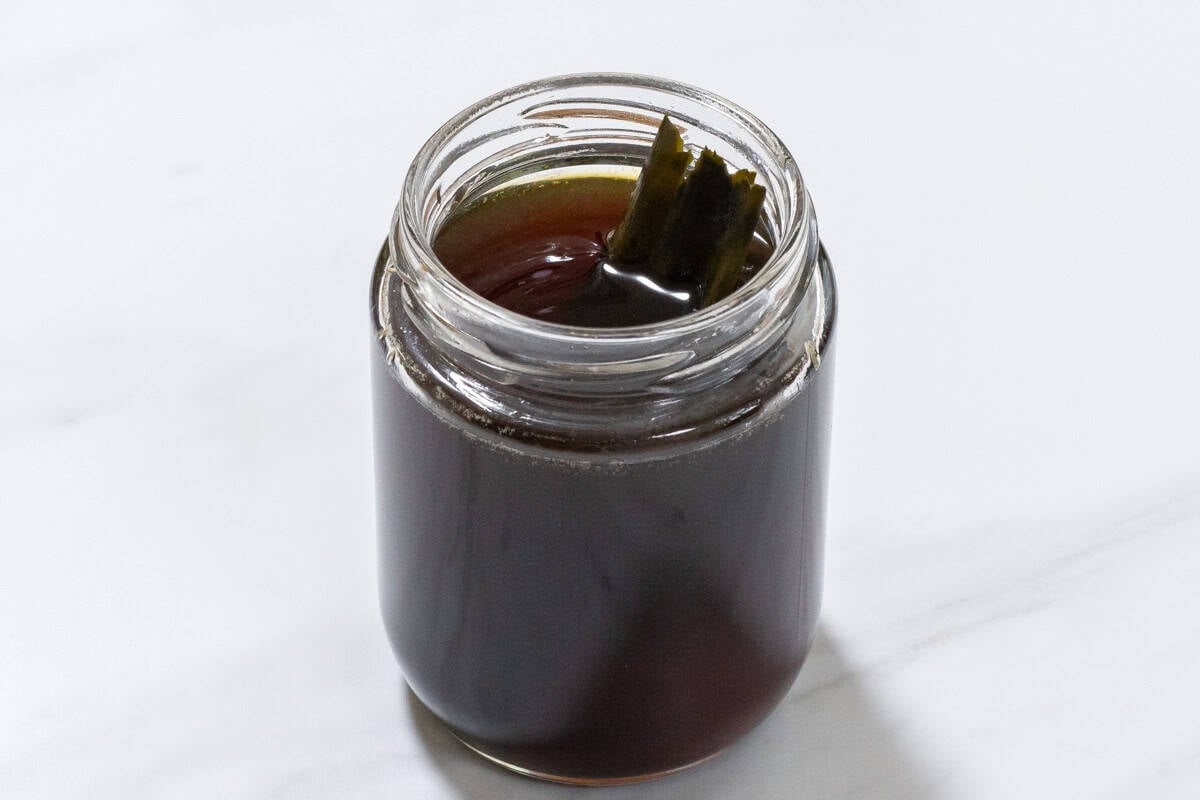
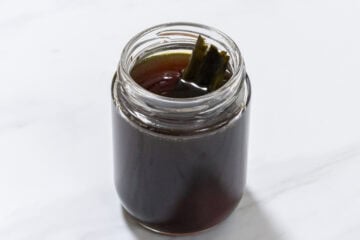
In a clean container, combine soy sauce, rice vinegar, and mirin, then squeeze in the citrus juice and mix well. For extra umami flavor, you can optionally include kombu and/or bonito flakes.
Step 3
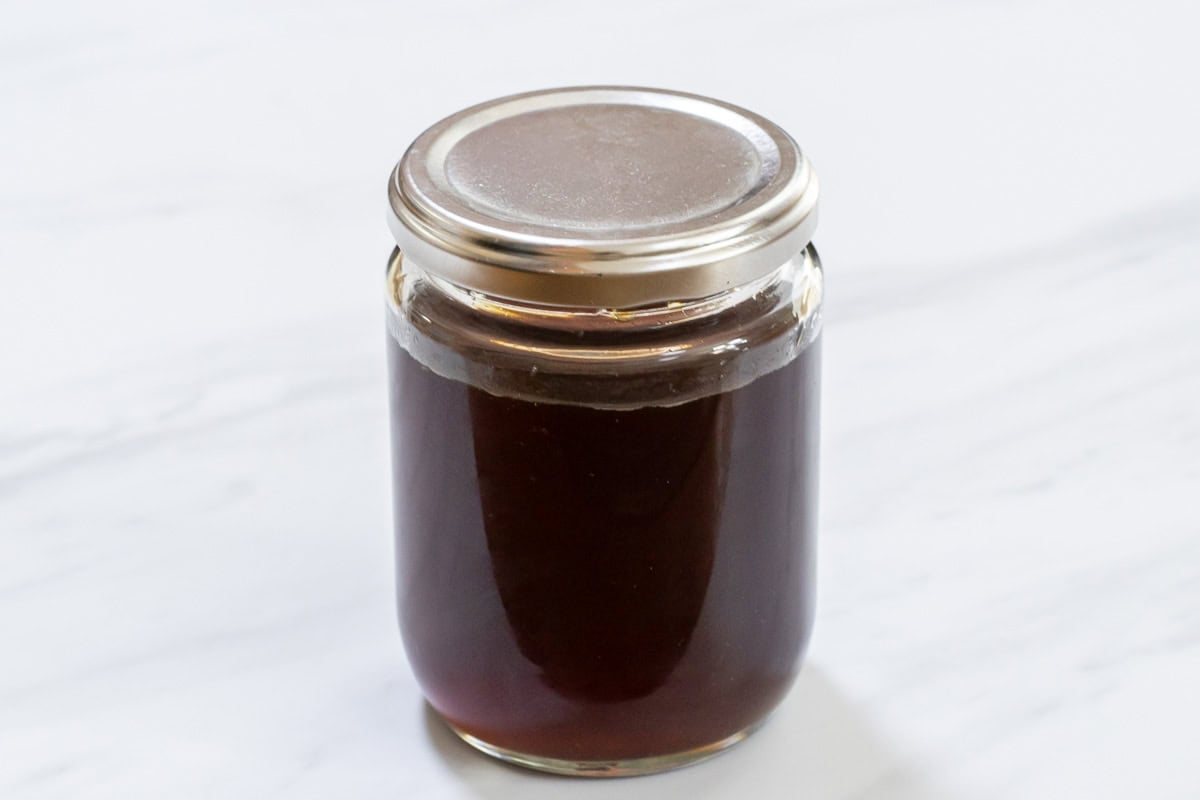
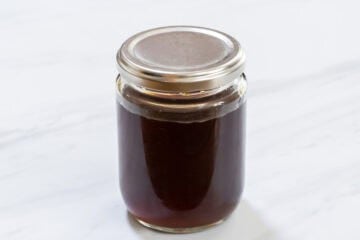
Cover the container and let it rest in the refrigerator for a few days to a week. (Letting it rest mellows the acidity. Even if you plan to use it right away, let it rest for at least a few hours.)
If you have used kombu or bonito flakes, be sure to remove (strain) them after steeping overnight (about 3-9 hours). Leaving them in for too long can cause the liquid to gradually become cloudy and develop a strong, distinctive odor.
How to store
The ponzu sauce will keep in the refrigerator for up to a month.
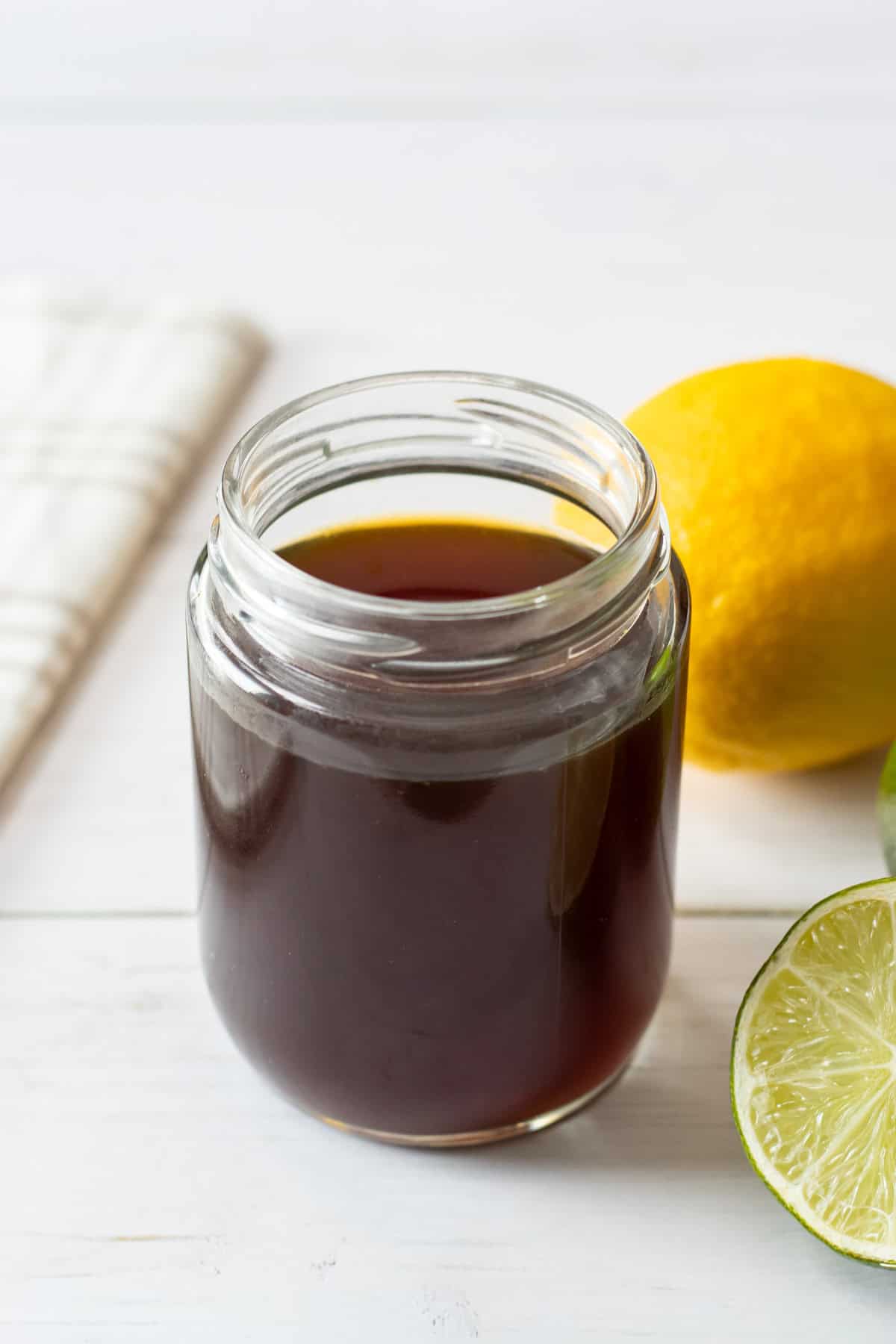
I hope you enjoy this recipe!
If you try it, I’d love to hear how it turned out. Please leave a review 💬 and a star rating ⭐ in the comment below. Your support and feedback means so much to me!
More recipes you'll love
FAQ
Adding kombu enhances the flavor by boosting umami while preserving the citrus aroma. As for bonito flakes, it largely comes down to personal preference. While they add strong umami to ponzu sauce, their distinctive flavor can sometimes overpower the citrus notes. These ingredients are optional ways to enhance umami, so even without them, you can still make delicious homemade ponzu sauce.
Printable Recipe Card
Easy & Authentic Homemade Ponzu Sauce
Ingredients
- 4 Tbsp mirin (If you skip Step 1, use ¾ of this amount.)
- 7 Tbsp soy sauce
- 2 Tbsp rice vinegar
- 3 Tbsp citrus juice (If available, use yuzu, sudachi, kabosu, or daidai for a more authentic flavor. If these are hard to find, a 2:1 ratio of lemon and lime juice works well as a substitute.)
- a small piece of kombu (dried kelp) (optional, about 0.1 oz/3 g)
- ¼ cup bonito flakes (katsuobushi) (optional)
Instructions
- (Optional) Add mirin to a pot and bring it to a boil. Once it comes to a boil, reduce the heat to low and let it simmer for about 30 seconds to 1 minute, or until the alcohol smell has dissipated. Then, remove it from the heat and let it cool to room temperature.(Note: This step cooks off the small amount of alcohol in the mirin. If the ponzu sauce is intended for adults and will not be consumed by children, you can omit this step.)

- In a clean container, combine soy sauce, rice vinegar, and mirin, then squeeze in the citrus juice and mix well. For extra umami flavor, you can optionally include kombu and/or bonito flakes.
- Cover the container and let it rest in the refrigerator for a few days to a week. (Letting it rest mellows the acidity. Even if you plan to use it right away, let it rest for at least a few hours.)If you have used kombu or bonito flakes, be sure to remove (strain) them after steeping overnight (about 3-9 hours). Leaving them in for too long can cause the liquid to gradually become cloudy and develop a strong, distinctive odor.
Notes
- The ponzu sauce will keep in the refrigerator for up to a month.

Leave a Rating and a Comment