

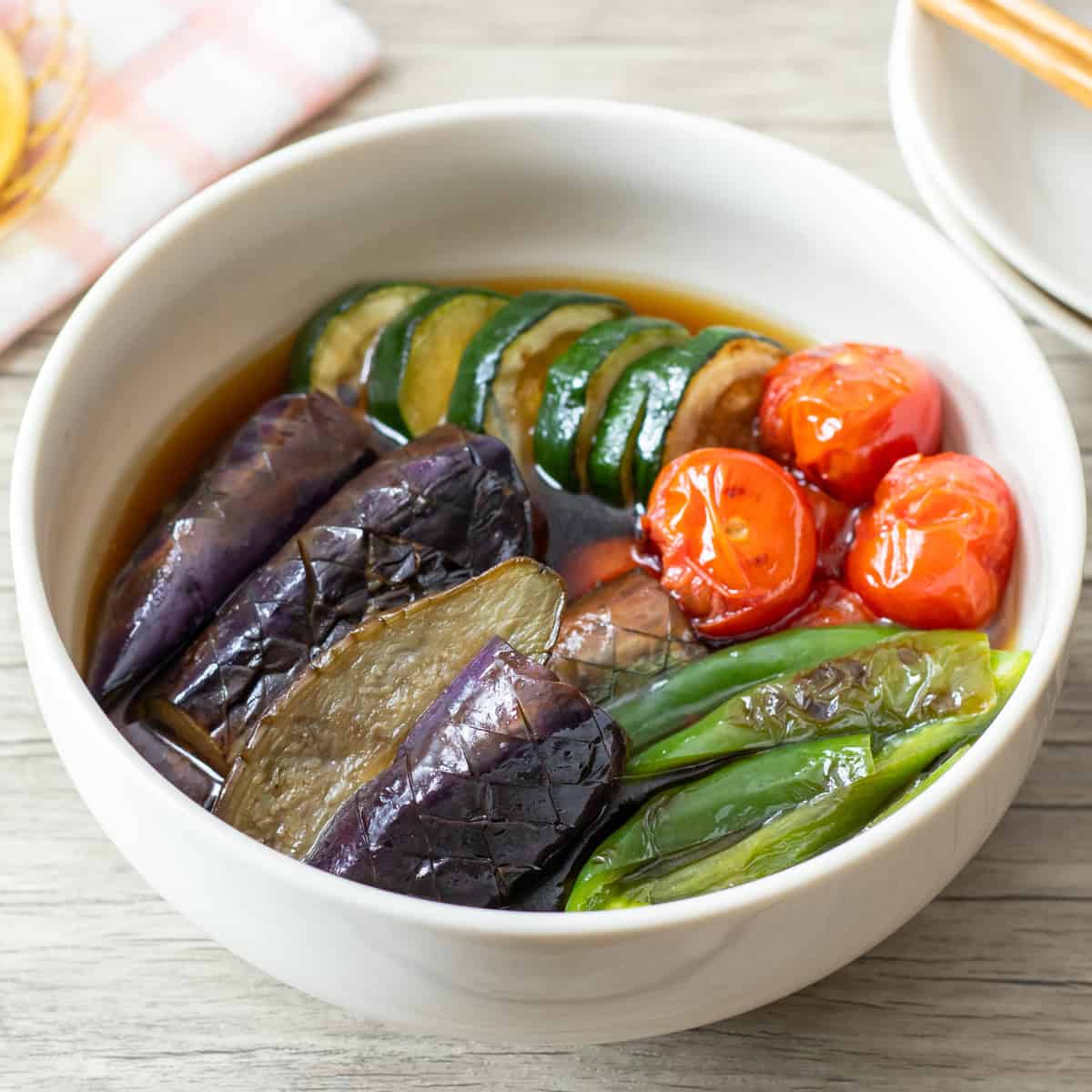
Yakibitashi is a Japanese dish that combines the savory flavors of grilled ingredients with a seasoned dashi broth. While this recipe uses eggplant, zucchini, cherry tomatoes, and bell peppers, you can substitute other vegetables and still achieve delicious results. It's a perfect choice for anyone looking for a Japanese vegetable dish.
Jump to:
What is Yakibitashi?
Yakibitashi is a traditional Japanese dish made by grilling ingredients and then soaking them in seasoned dashi broth. “Yaki” means grilling, and “bitashi” refers to soaking.
In Japan, there is a traditional dish called "ohitashi," in which boiled ingredients are soaked in seasoned dashi broth. Yakibitashi is a variation of this classic dish. Compared to ohitashi, yakibitashi has a richer aroma and a more concentrated flavor, as the ingredients are grilled rather than boiled.
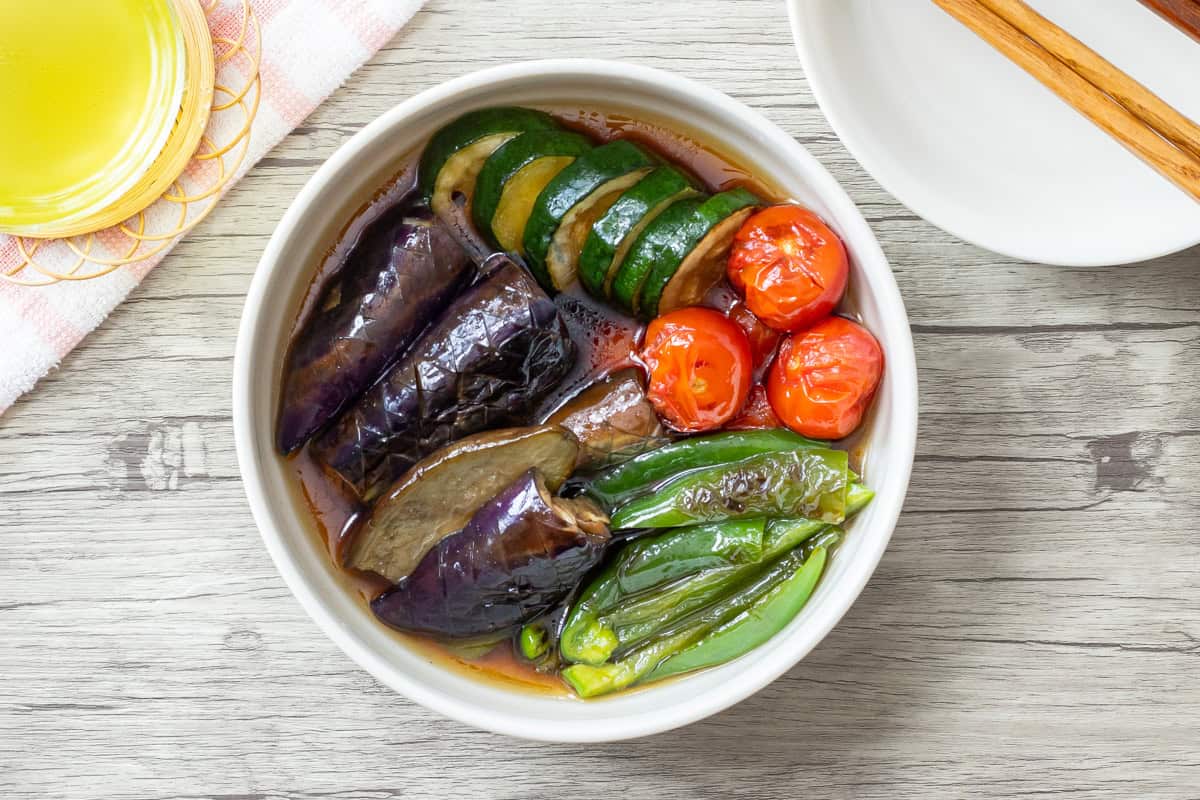
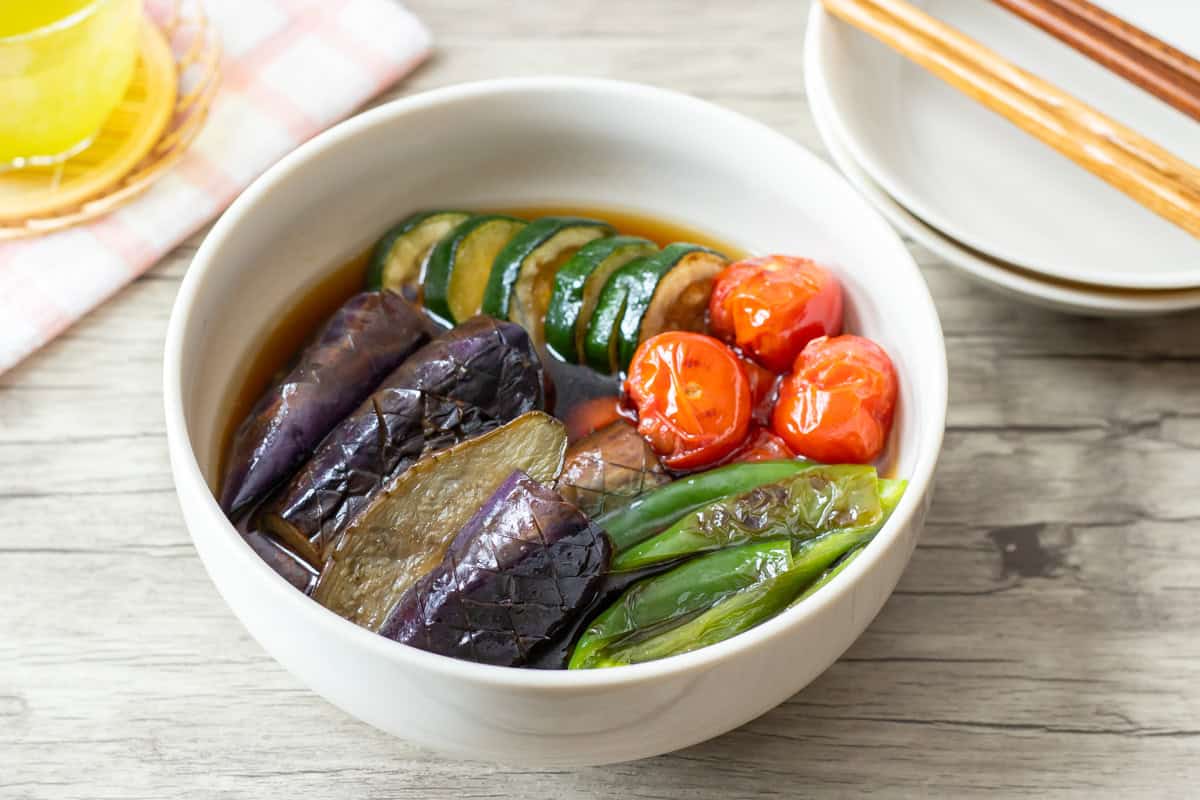
While the dish can be made with a single ingredient, it is typically prepared with a variety of vegetables, making it a colorful dish. Enjoy the savory flavors of grilled ingredients infused with traditional Japanese seasonings. Since it is served cold, it is especially refreshing on hot days.
Common ingredients for Yakibitashi
There are no strict rules about the ingredients you can use for yakibitashi. Basically, you can use anything that can be grilled. Below are some examples of ingredients commonly used in Japan:
- Eggplant
- Naganegi (Japanese leeks)
- Shishito peppers
- Okra
- Kabocha squash
- Tomatoes or cherry tomatoes
- Bell peppers
- Asparagus
- Zucchini
- Lotus root
While vegetables are the most common choice, meat, fish, and mushrooms can also be used. Feel free to experiment with local ingredients available in your area as well.
The role of broth temperature
There aren’t any complicated steps involved in making this dish, but there is one key point to keep in mind: the temperature of the seasoned dashi broth in which the grilled ingredients are soaked.
The seasoned dashi is made by bringing dashi stock, mirin, and soy sauce to a brief boil. When the ingredients are placed in the broth, the flavors seep into them, but if you let the broth cool, the flavors will penetrate the ingredients even more deeply. This is because a greater temperature difference between the freshly grilled ingredients and the broth helps them absorb the flavor more effectively.
For this reason, it is best to prepare the broth in advance. Chilling it in the refrigerator is ideal, but simply letting it cool to room temperature is also effective. With this simple trick, you can improve the final result, so be sure to incorporate it into your cooking process.
📋Step-by-step recipe
Ingredients
- 2 Japanese or Chinese eggplants
- ½ zucchini
- 6 cherry tomatoes
- 1 bell pepper
For the seasoned dashi broth:
- ⅗ cup dashi stock (Please refer to the linked page for instructions on how to make it. For plant-based options, see the pages on Kombu Dashi and Shiitake Dashi.)
- 2 Tbsp mirin
- 2 Tbsp soy sauce
Instructions
🕒 Total: 45 mins
Step 1
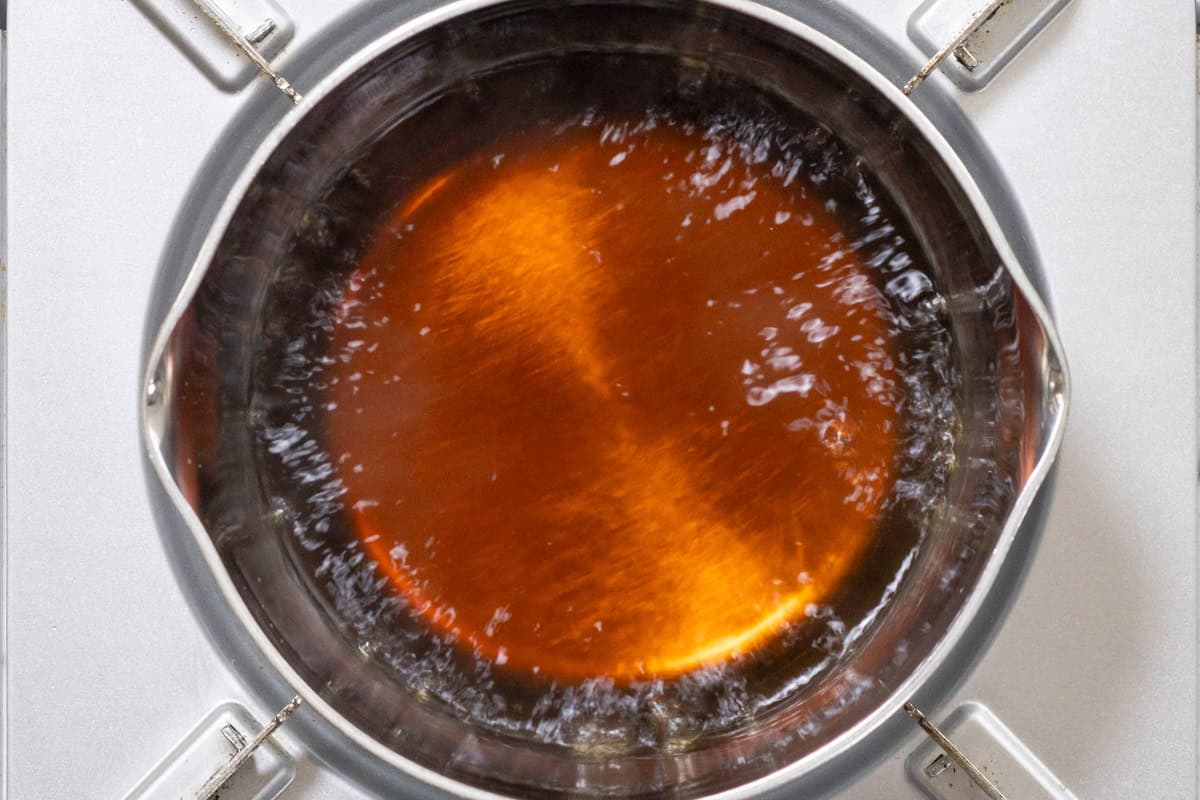
In a pot, combine dashi, mirin, and soy sauce, and bring it to a boil. Once boiling, let it simmer over low heat for about 30 seconds, then remove from the heat. Transfer the broth to a heatproof container and let it cool to room temperature (chilling it in the refrigerator is ideal).
Step 2
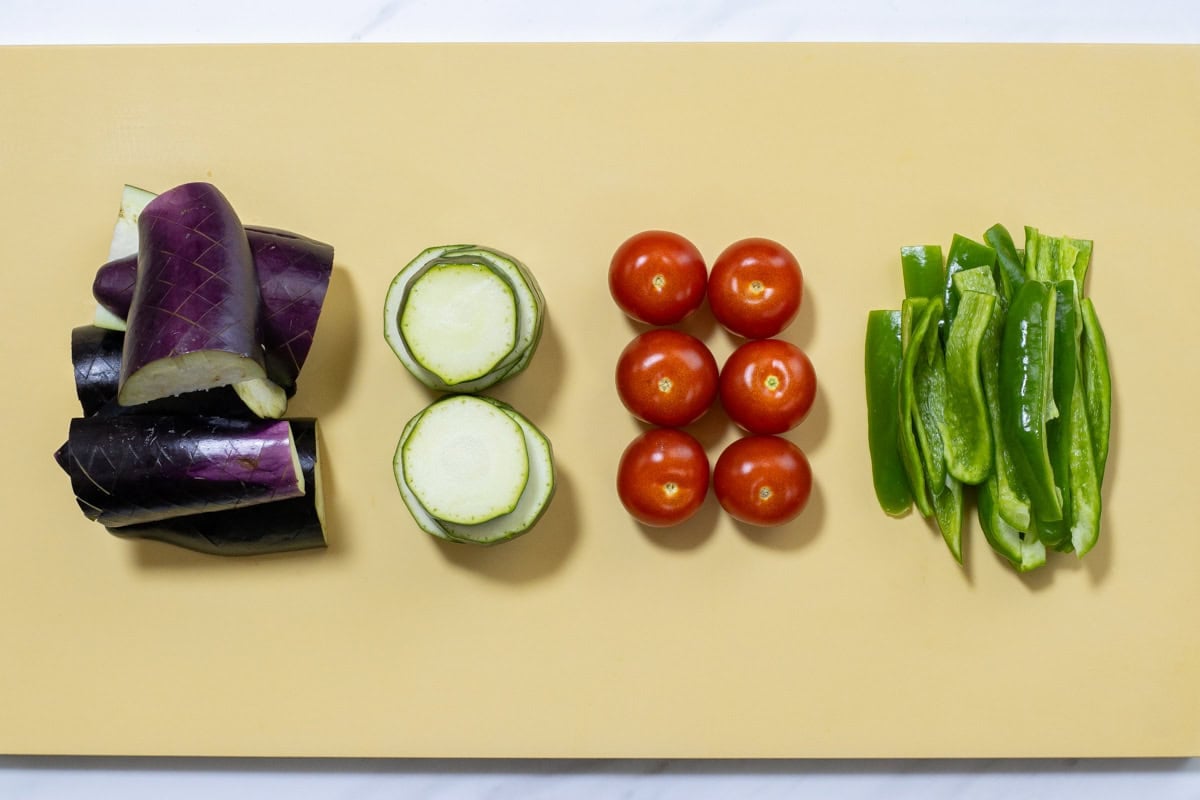
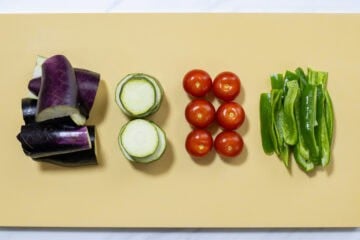
Eggplants: Trim off the stems, cut them in half lengthwise, and make a crisscross pattern on the skin side. Then, cut each half crosswise into bite-sized pieces.
Zucchini: Slice it into rounds about ½ inch (1-1.5 cm) thick.
Cherry tomatoes: Remove the stems.
Bell pepper: Remove the seeds and cut it into long strips.
Step 3
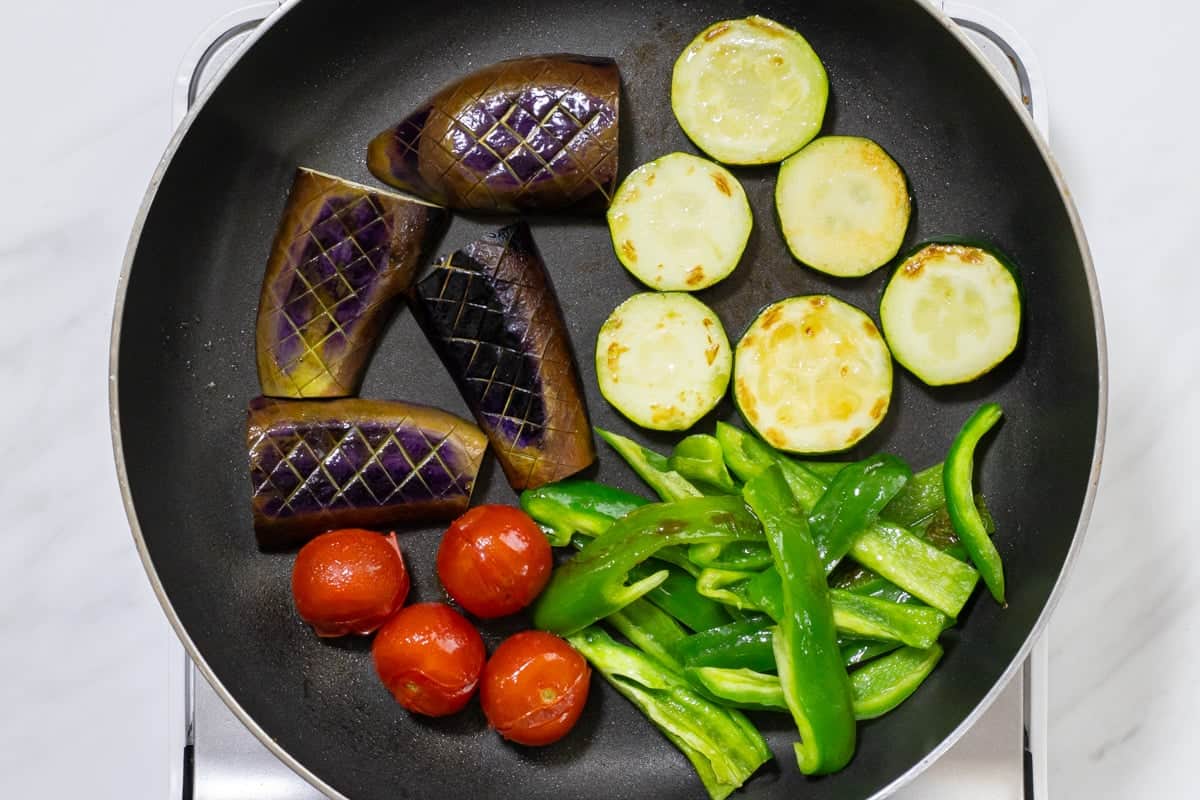
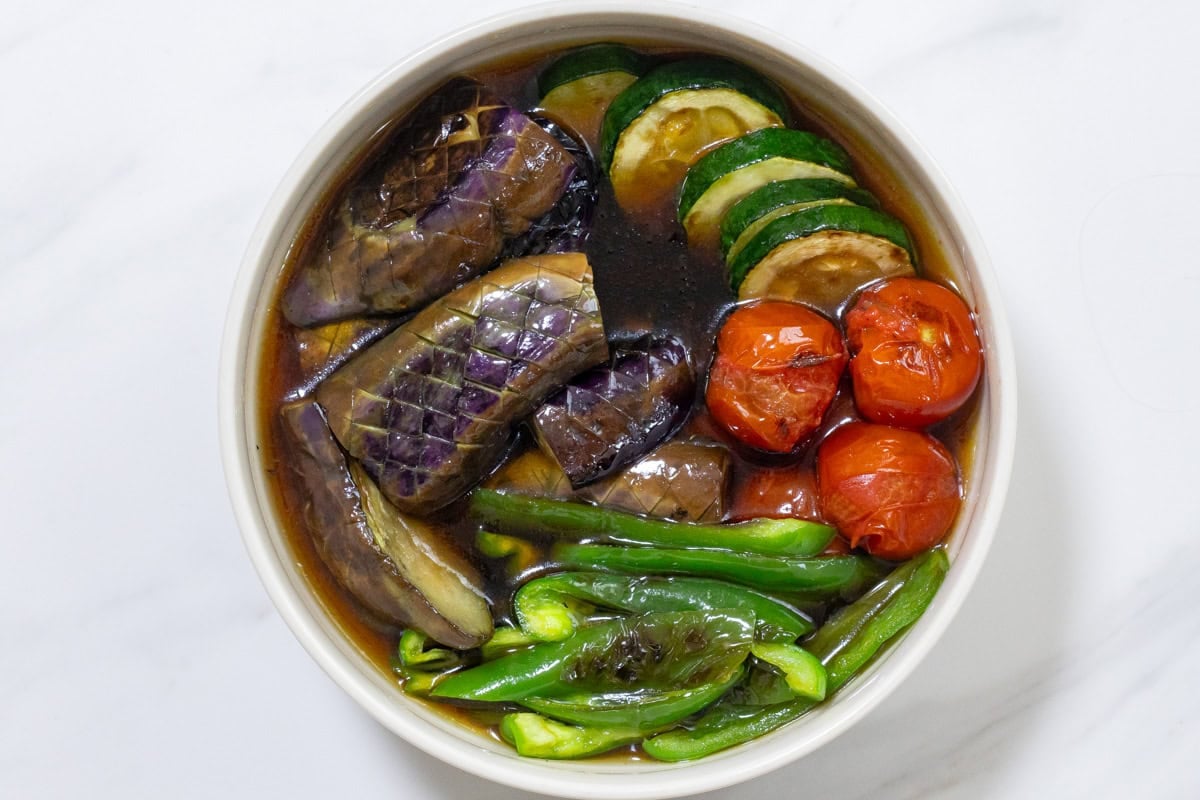
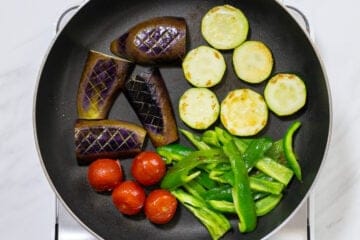
Heat oil in a pan. Once the pan is hot, add the prepared vegetables (eggplants, zucchini, cherry tomatoes, and bell pepper) and cook until nicely browned on both sides. Remove the vegetables as they are done, and transfer them to the container with the seasoned dashi broth.
In Japan, this dish is typically prepared in a pan, but you can also use a grill if you prefer.
Step 4
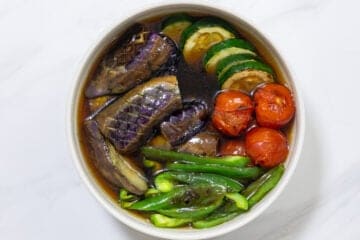
Make sure the vegetables are submerged in the dashi broth as much as possible, and let them soak at room temperature or in the refrigerator for at least 30 minutes to allow the flavors to meld.
How to store
The dish will keep in the refrigerator for up to 3 days.
Cooking tips
- Let the seasoned dashi broth cool completely (preferably chilled) before adding the grilled vegetables.
Differences from 'ohitashi,' 'nibitashi,' and 'agebitashi'
In Japan, there are various dishes similar to yakibitashi, known as 'ohitashi,' 'nibitashi,' and 'agebitashi.' Here are the differences:
- Ohitashi: Boiled ingredients are drained and then soaked in seasoned dashi broth.
- Nibitashi: Ingredients are briefly simmered in seasoned dashi broth.
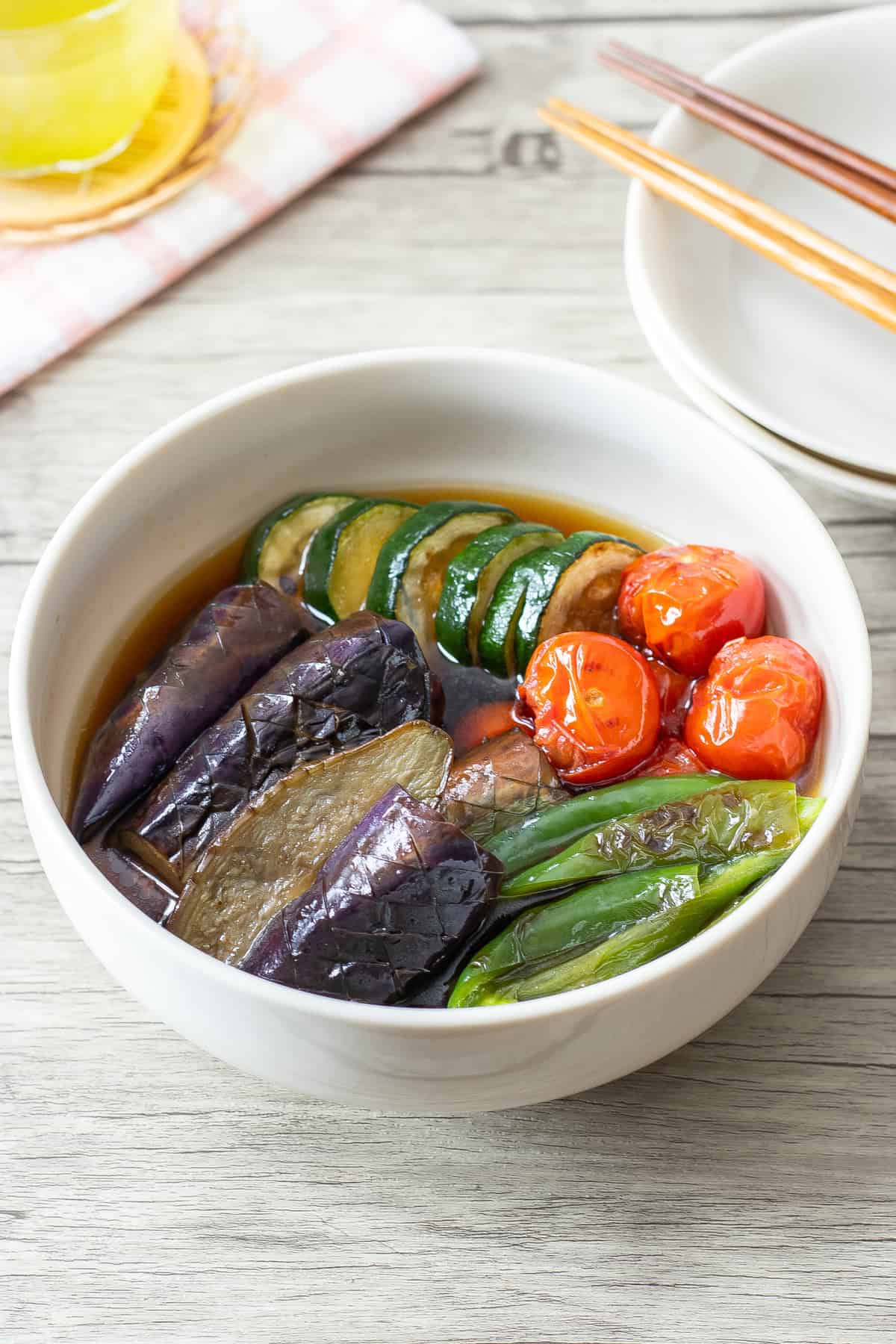
- Yakibitashi: Grilled ingredients are soaked in seasoned dashi broth.
- Agebitashi: Deep-fried ingredients are soaked in seasoned dashi broth.
While 'nibitashi,' 'yakibitashi,' and 'agebitashi' can be broadly considered as variations of 'ohitashi,' they are generally recognized as distinct dishes in Japan due to their different cooking methods, as described above.
All of these are traditional Japanese dishes with unique flavors. Each link will take you to a recipe page, so give them a try and see how they compare.
I hope you enjoy this recipe!
If you try it, I’d love to hear how it turned out. Please leave a review 💬 and a star rating ⭐ in the comment below. Your support and feedback means so much to me!
More Japanese vegetable recipes you'll love
FAQ
You can reuse it, but I wouldn't recommend it. Since the moisture from the vegetables has already been released, the broth will be diluted.
Printable Recipe Card
Vegetable Yakibitashi (Grilled Vegetables in Dashi Broth)
Ingredients
- 2 Japanese or Chinese eggplants
- ½ zucchini
- 6 cherry tomatoes
- 1 bell pepper
For the seasoned dashi broth:
- ⅗ cup dashi stock (Please refer to the linked page for instructions on how to make it. For plant-based options, see the pages on Kombu Dashi and Shiitake Dashi.)
- 2 Tbsp mirin
- 2 Tbsp soy sauce
Instructions
- In a pot, combine dashi, mirin, and soy sauce, and bring it to a boil. Once boiling, let it simmer over low heat for about 30 seconds, then remove from the heat. Transfer the broth to a heatproof container and let it cool to room temperature (chilling it in the refrigerator is ideal).

- Eggplants: Trim off the stems, cut them in half lengthwise, and make a crisscross pattern on the skin side. Then, cut each half crosswise into bite-sized pieces.Zucchini: Slice it into rounds about ½ inch (1-1.5 cm) thick.Cherry tomatoes: Remove the stems.Bell pepper: Remove the seeds and cut it into long strips.
- Heat oil in a pan. Once the pan is hot, add the prepared vegetables (eggplants, zucchini, cherry tomatoes, and bell pepper) and cook until nicely browned on both sides. Remove the vegetables as they are done, and transfer them to the container with the seasoned dashi broth.In Japan, this dish is typically prepared in a pan, but you can also use a grill if you prefer.
- Make sure the vegetables are submerged in the dashi broth as much as possible, and let them soak at room temperature or in the refrigerator for at least 30 minutes to allow the flavors to meld.

Notes
- The dish will keep in the refrigerator for up to 3 days.
Leave a Rating and a Comment