

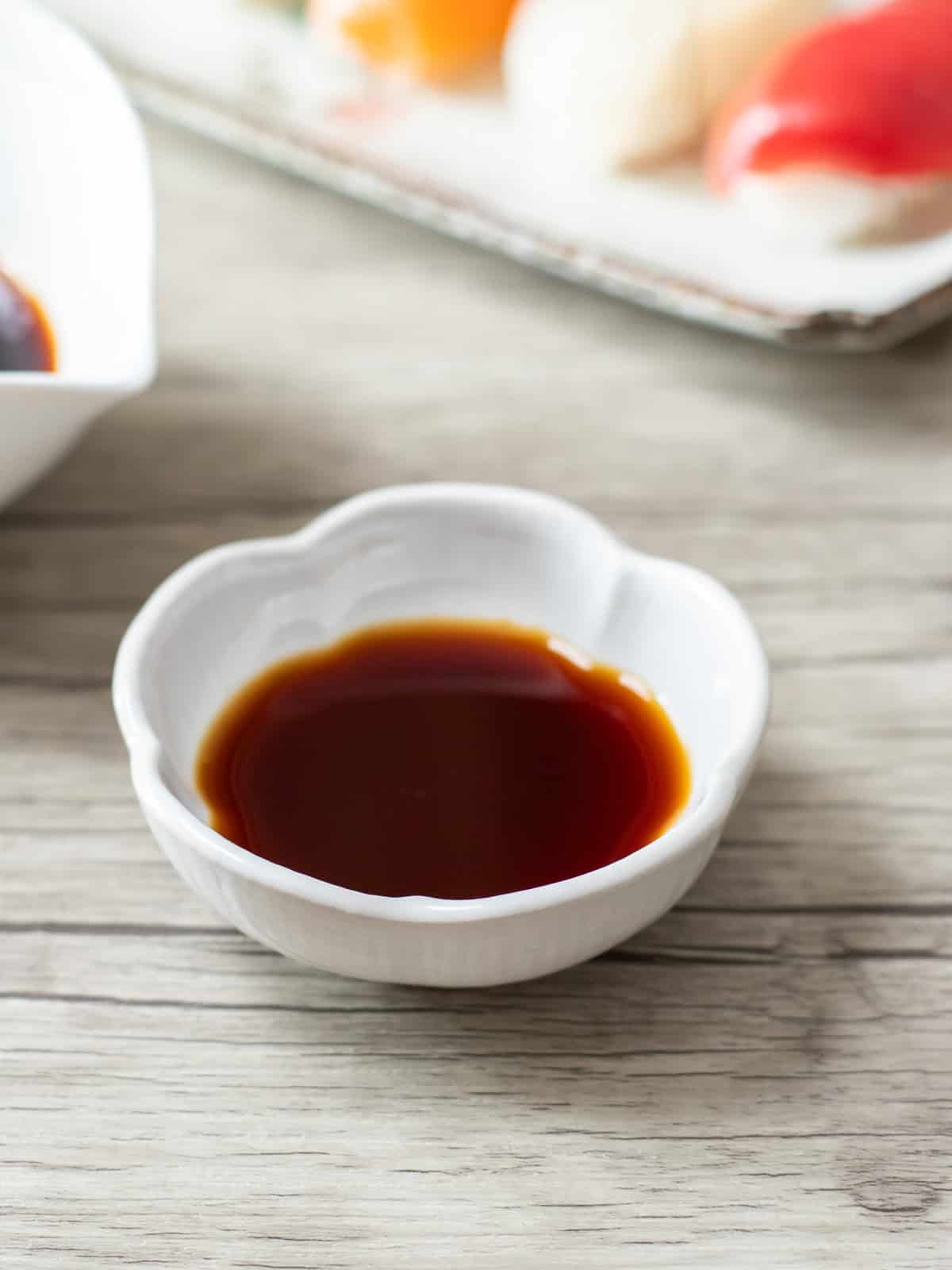
Why not give regular soy sauce a unique twist by creating a version specifically for sushi? Nikiri Soy Sauce, with its mildly savory flavor, is an essential condiment for truly enjoying sushi and sashimi (thinly sliced raw fish). Enhance your sushi and sashimi experience with this refined sauce.
Jump to:
What is Nikiri Soy Sauce?
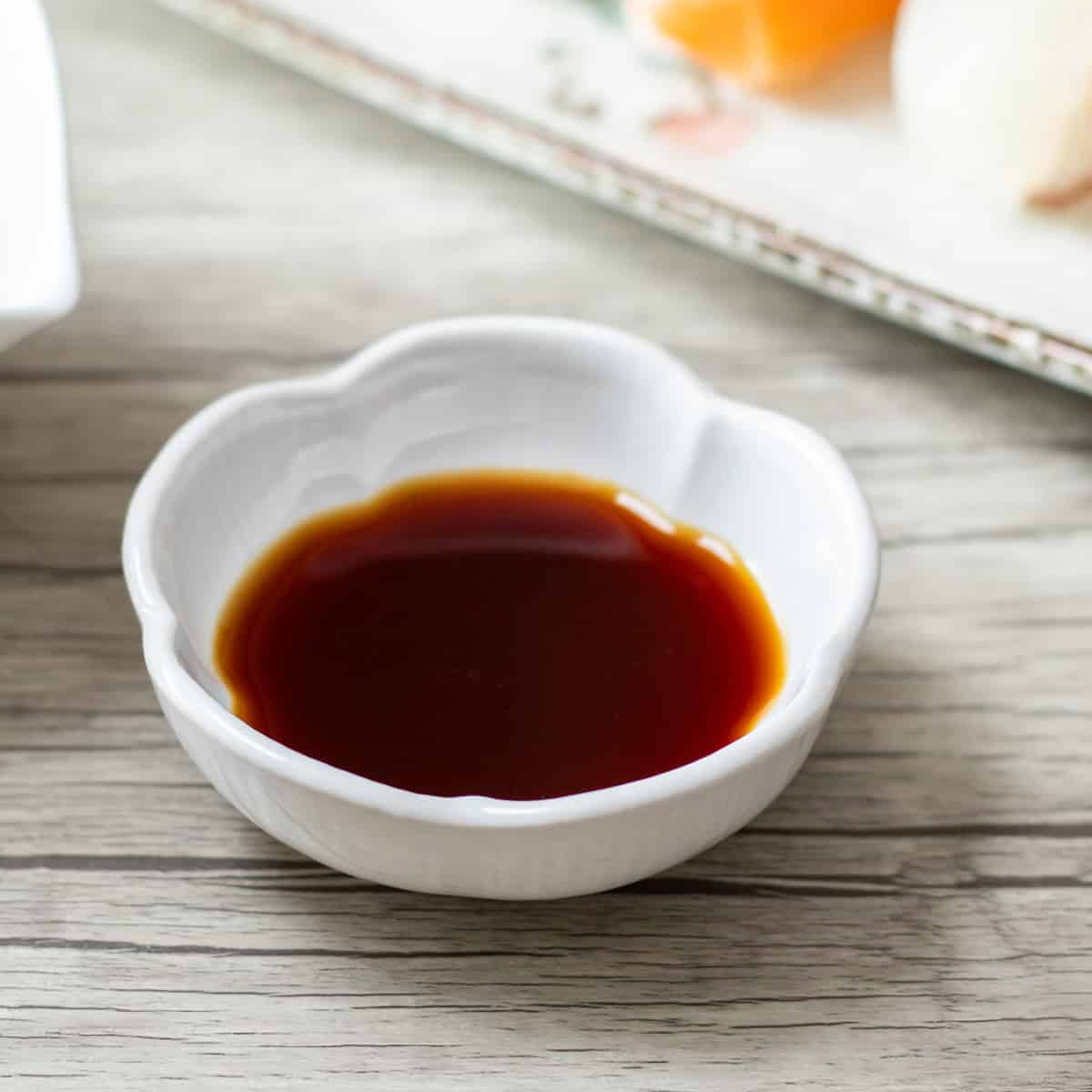
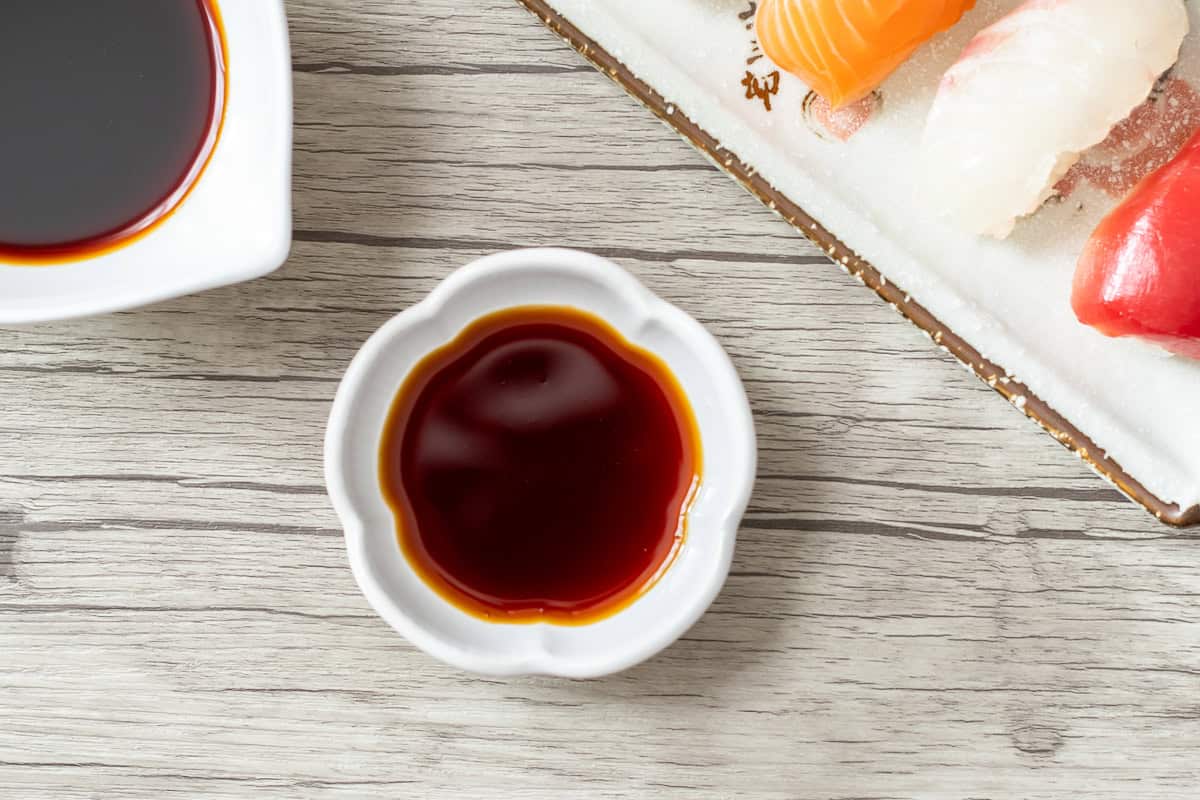
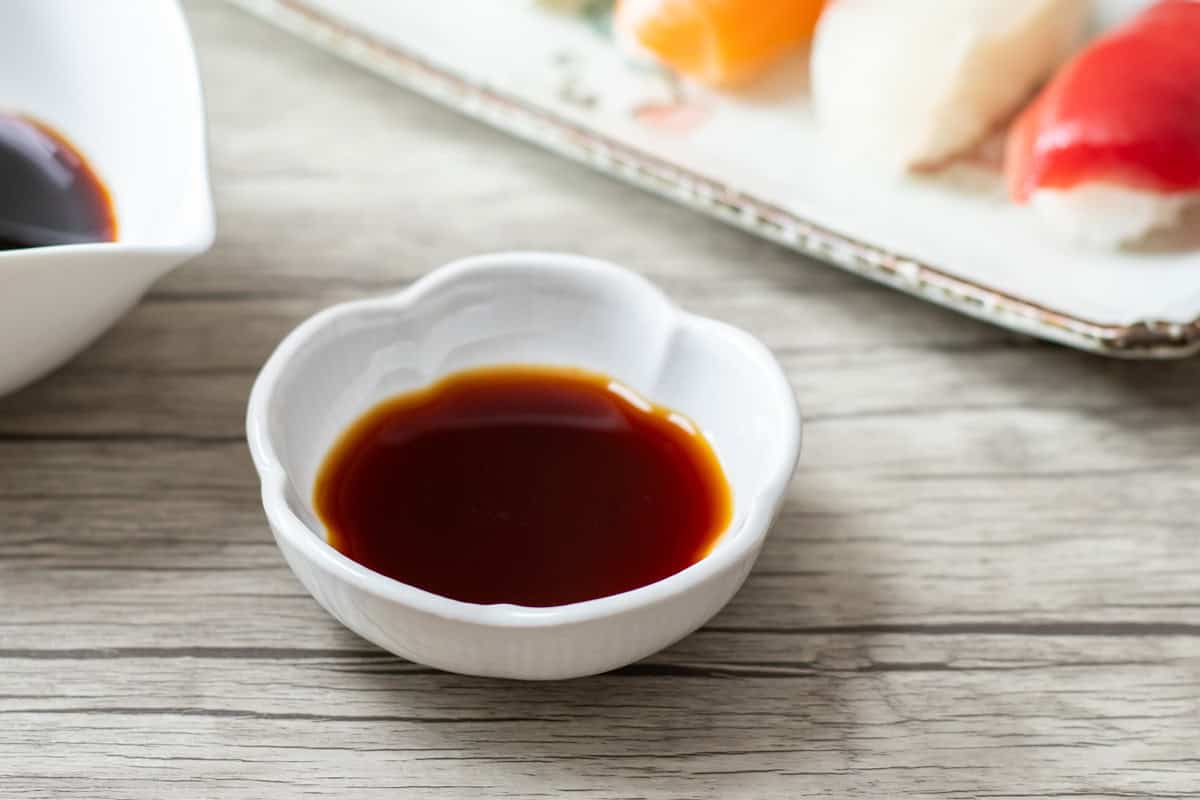
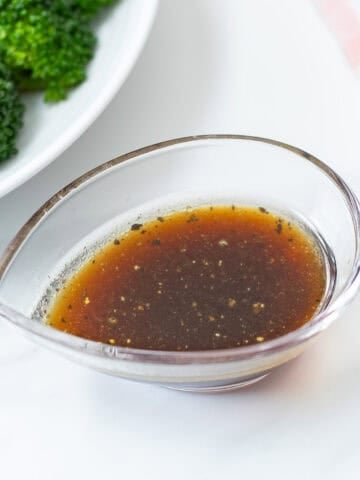
Nikiri Soy Sauce is a type of condiment made by combining soy sauce with sake, mirin, and sometimes dashi stock ingredients, then heating the mixture to create a mellow flavor. The term "Nikiri" refers to the process of simmering sake and mirin to evaporate their alcohol content. By removing the alcohol and blending these ingredients with soy sauce, the result is a milder, less sharp soy sauce flavor.
The key benefit of this condiment is its mildness, which enhances dishes without overpowering the natural flavors of the ingredients, compared to regular soy sauce. In Japan, it is especially known as a soy sauce for sushi, used to highlight the delicate flavors of sushi toppings.
Simply using nikiri soy sauce can elevate the flavor of sushi and sashimi (thinly sliced raw fish), making them taste more authentic. Give it a try and experience the difference for yourself.
The key to enhancing flavor
There is no complicated process for making nikiri soy sauce, but there is one important thing to keep in mind: do not boil the soy sauce. While it is necessary to simmer sake and mirin to evaporate their alcohol, boiling the soy sauce along with them can diminish its delicate flavor.
To preserve the flavor, first simmer the sake and mirin, then add the soy sauce. This allows the alcohol to cook off while preserving the soy sauce’s flavor. With this small adjustment, you can enhance the taste of this condiment—I highly recommend incorporating this method.
Dishes using nikiri soy sauce
The nikiri soy sauce you made can be used in a variety of dishes. While it is most commonly paired with sushi and sashimi, it is also used in Japan in dishes that highlight the natural flavors of the ingredients, such as:
- Zuke Maguro (soy-marinated tuna)
- Yaki Nasu (grilled Japanese eggplant)
- Nitamago (seasoned boiled eggs)
- Tamago Kake Gohan (rice mixed with raw egg)
- Ohitashi (blanched ingredients soaked in seasoned dashi)
- Gomaae (blanched vegetables tossed with sesame sauce)
- Hiyayakko (Japanese chilled tofu)
Beyond these, you can also use this condiment as a substitute for regular soy sauce in everyday cooking. Try experimenting with this versatile seasoning.
📋Step-by-step recipe
Ingredients
- 1 Tbsp sake
- 1 Tbsp mirin
- 3 Tbsp soy sauce
- a small piece of kombu (dried kelp) (about 0.035 oz/1 g)
Instructions
🕒 Total: 3 hrs 18 mins
Step 1
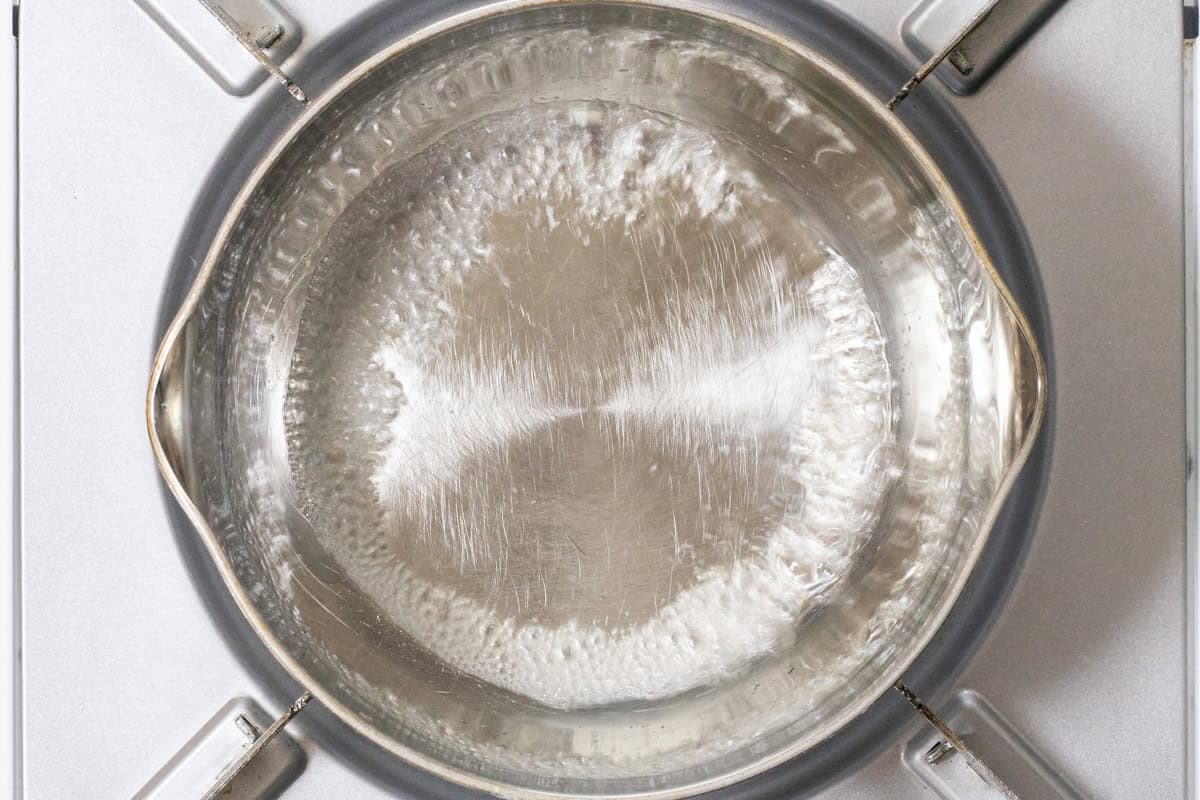
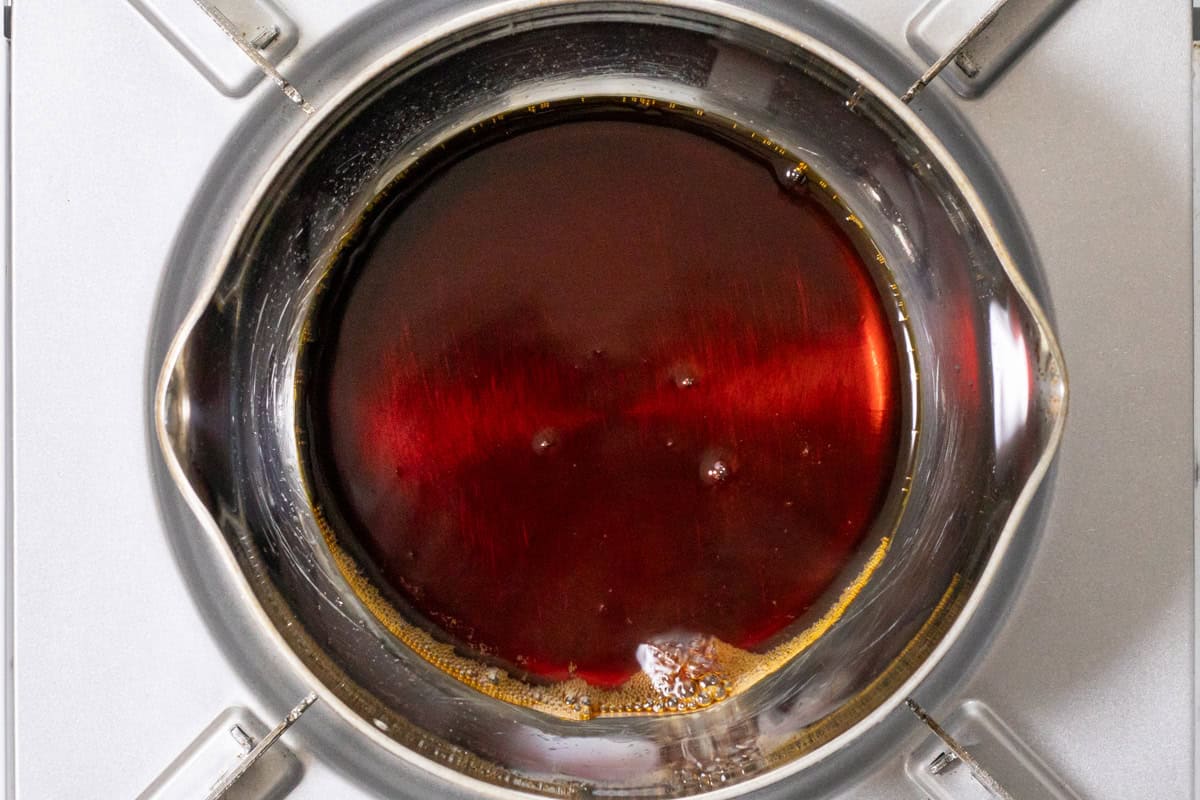
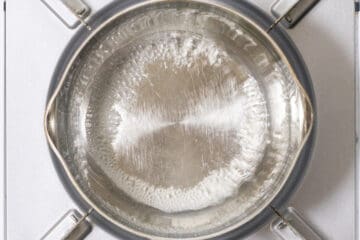
Add sake and mirin to a pot and heat it over medium heat. Once it starts boiling, let it simmer for about 20 seconds to cook off the alcohol, then turn off the heat.
Step 2
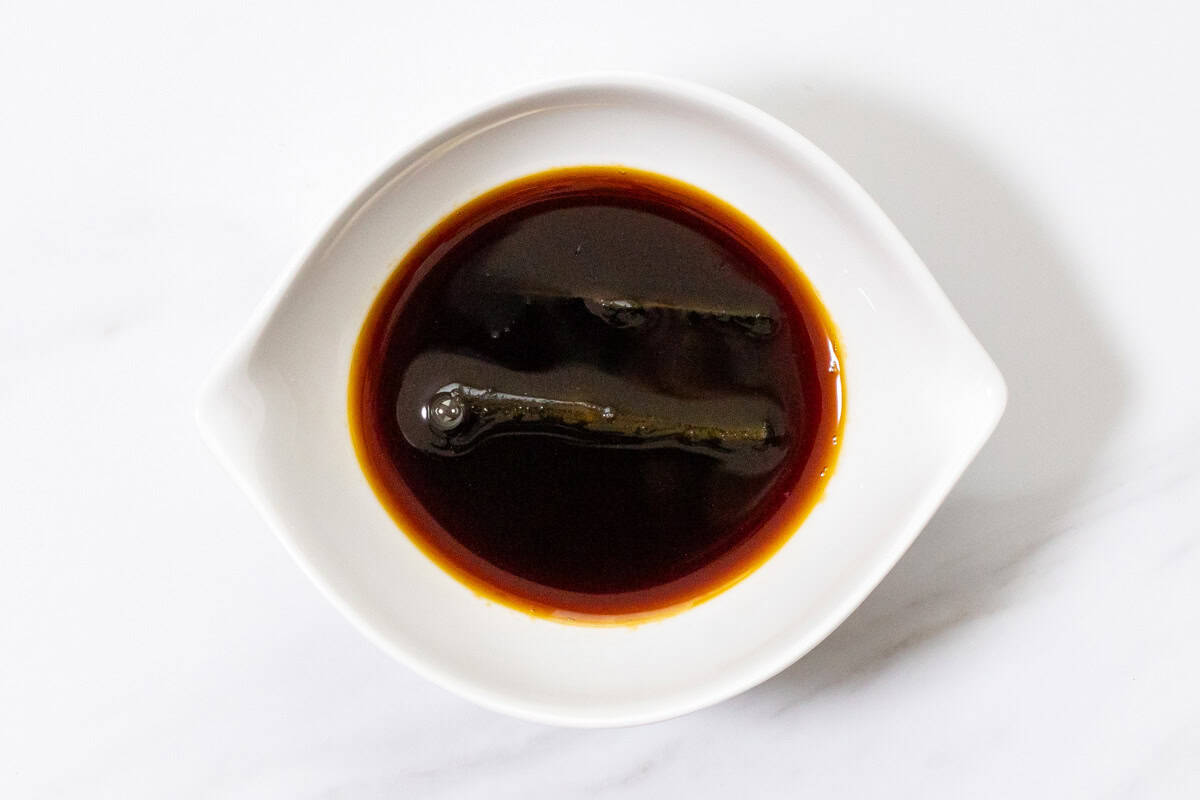
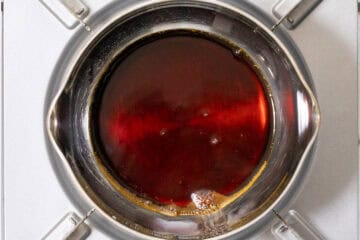
Pour soy sauce into the pot and heat it again over low heat. Once small bubbles start to appear on the surface, remove the pot from the heat to preserve the soy sauce's flavor.
Step 3
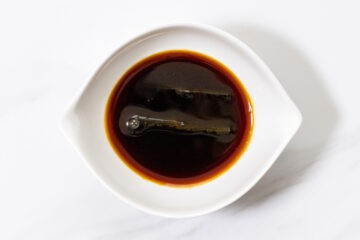
Add kombu to the pot and let it cool to room temperature. Then, transfer the mixture to a container and let the kombu steep for 3-9 hours in the refrigerator. (Be sure to remove the kombu within 10 hours; if left in too long, the liquid may become cloudy and develop a strong kombu odor.)
How to store
The sauce will keep in the refrigerator for about 3 weeks, or even longer. Since it contains sake and mirin, it has a lower salt content, so be sure to keep it refrigerated. To prevent odors from transferring, it is better to store it in a ceramic or glass container rather than a plastic one.
Cooking tips
- Do not boil the soy sauce.
Customizing the flavor
You can adjust the flavor of this condiment to suit your personal taste by changing the ingredient ratios.
The recipe suggests a 3:1:1 ratio of soy sauce, sake, and mirin, but if you prefer a saltier taste, you can increase the amount of soy sauce. If you'd like it sweeter, add more mirin. No changes to the other ingredients or the cooking process are necessary.
I hope you enjoy this recipe!
If you try it, I’d love to hear how it turned out. Please leave a review 💬 and a star rating ⭐ in the comment below. Your support and feedback means so much to me!
More Japanese sauce recipes you'll love

Printable Recipe Card
Nikiri Soy Sauce (Simmered Soy Sauce for Sushi)
Ingredients
- 1 Tbsp sake
- 1 Tbsp mirin
- 3 Tbsp soy sauce
- a small piece of kombu (dried kelp) (about 0.035 oz/1 g)
Instructions
- Add sake and mirin to a pot and heat it over medium heat. Once it starts boiling, let it simmer for about 20 seconds to cook off the alcohol, then turn off the heat.

- Pour soy sauce into the pot and heat it again over low heat. Once small bubbles start to appear on the surface, remove the pot from the heat to preserve the soy sauce's flavor.
- Add kombu to the pot and let it cool to room temperature. Then, transfer the mixture to a container and let the kombu steep for 3-9 hours in the refrigerator. (Be sure to remove the kombu within 10 hours; if left in too long, the liquid may become cloudy and develop a strong kombu odor.)
Notes
- The sauce will keep in the refrigerator for about 3 weeks, or even longer. Since it contains sake and mirin, it has a lower salt content, so be sure to keep it refrigerated. To prevent odors from transferring, it is better to store it in a ceramic or glass container rather than a plastic one.

Kurisu says
Hello. I'm going to make your version of nikiri to sample with the Santa Barbara uni I am preparing. I'm also making another version that differs quite a bit. The other one calls for 4 parts shoyu, 4 parts mirin, 1 part dashi, and a mere splash of sake (only simmered; never boiled). I can't wait to compare them side by side!
For the sake, I'll be using Soto Junmai, even though their Junmai Daiginjo would be more appropriate for this event.
I lived and worked in Japan for two years when I was very young, and I have an immense respect for Japanese cuisine. This will be my celebration of that respect.
This uni treat will be my very own omakase, and I understand Japanese sushi chefs each have a nikiri recipe that makes each bite their own. I can't wait to report back and let you know how it turns out. I wish I could add photos to my comment here.
Ryo Hikita (Umami Pot) says
Hi Kurisu, thank you so much for your kind comment! I also absolutely love uni, so I’m especially excited to hear that you’ll be trying my version of nikiri soy sauce. It really makes me happy to know how much you appreciate Japanese cuisine.
For me, the ideal nikiri should soften the sharp edge of saltiness without adding unnecessary sweetness, and bring everything together without overwhelming the natural flavor and aroma of the ingredients. I hope this recipe strikes that balance for you.
I’m truly honored that you’re including it as part of your omakase celebration, and I look forward to hearing how your comparison turns out! I’m sorry you can’t share photos here.
Alvin Diao says
No bonito is on purpose I assume?
Ryo Hikita (Umami Pot) says
Thank you for your comment, Alvin! I'm glad you found my nikiri soy sauce recipe interesting.
Yes, the omission of bonito is intentional. The main purpose of making nikiri soy sauce is to mellow out the sharpness of regular soy sauce and turn it into a more delicate seasoning that brings out the natural flavors of the ingredients it accompanies.
That's why I chose not to include bonito, which has a distinctive flavor. It's actually uncommon to use bonito in nikiri soy sauce in Japan.