

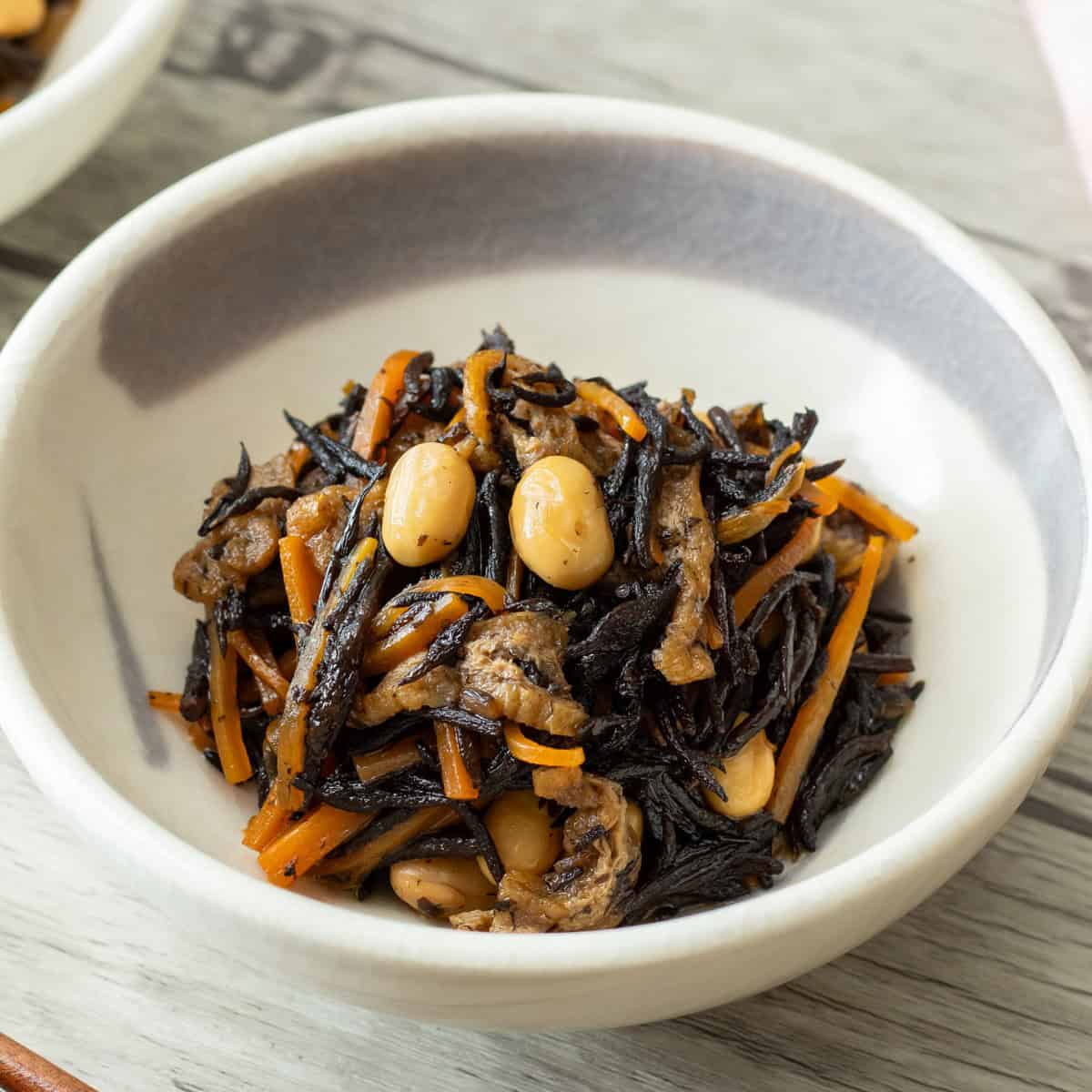
Hijiki-Ni is a classic side dish that has been enjoyed in Japan for generations. The natural flavor of hijiki seaweed pairs beautifully with traditional Japanese seasonings, offering a simple yet comforting taste. Though it may not be the most visually striking dish, it holds an important place on the Japanese table, adding depth and balance to a meal.
Jump to:
What is Hijiki-Ni?
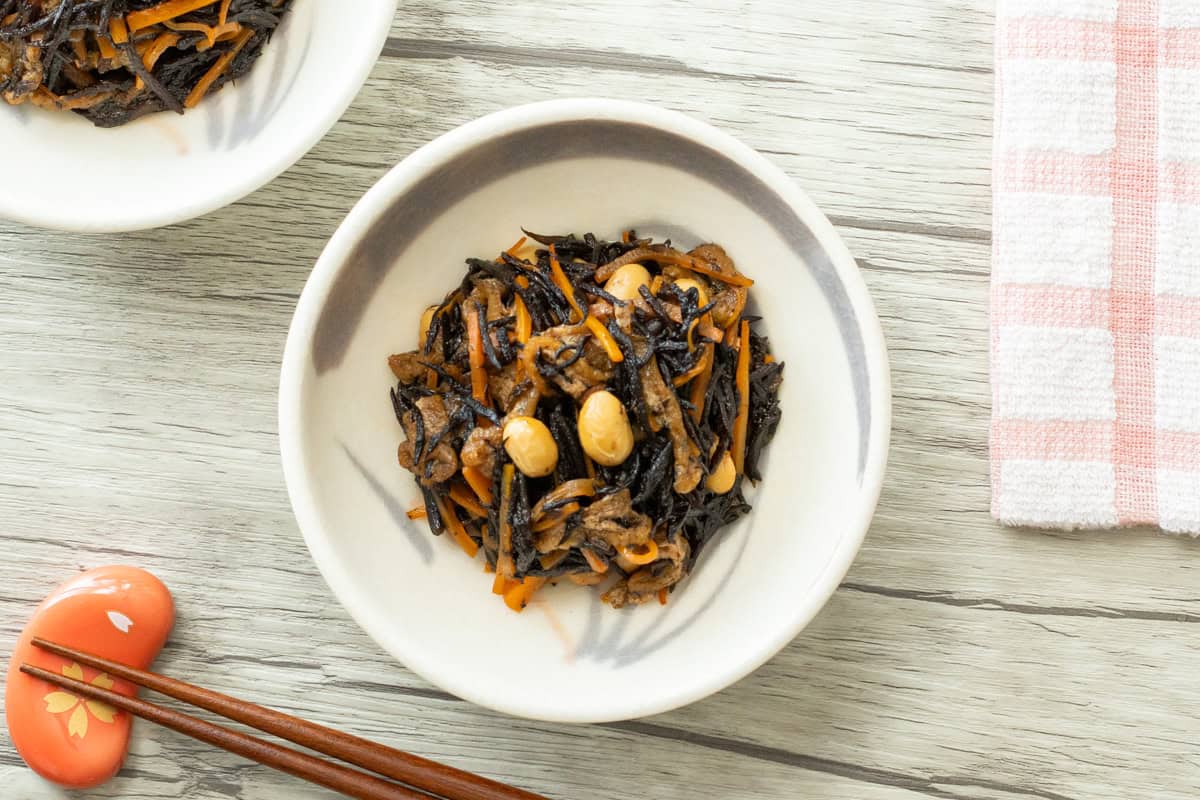
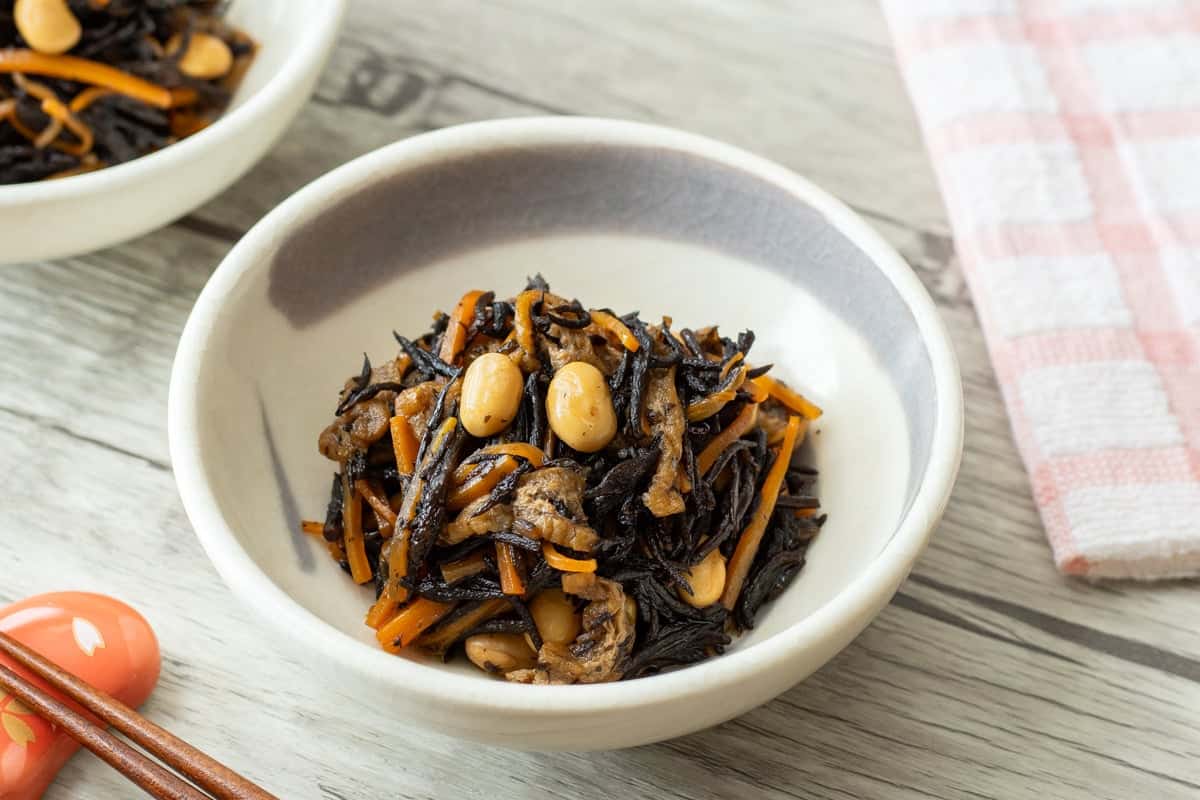
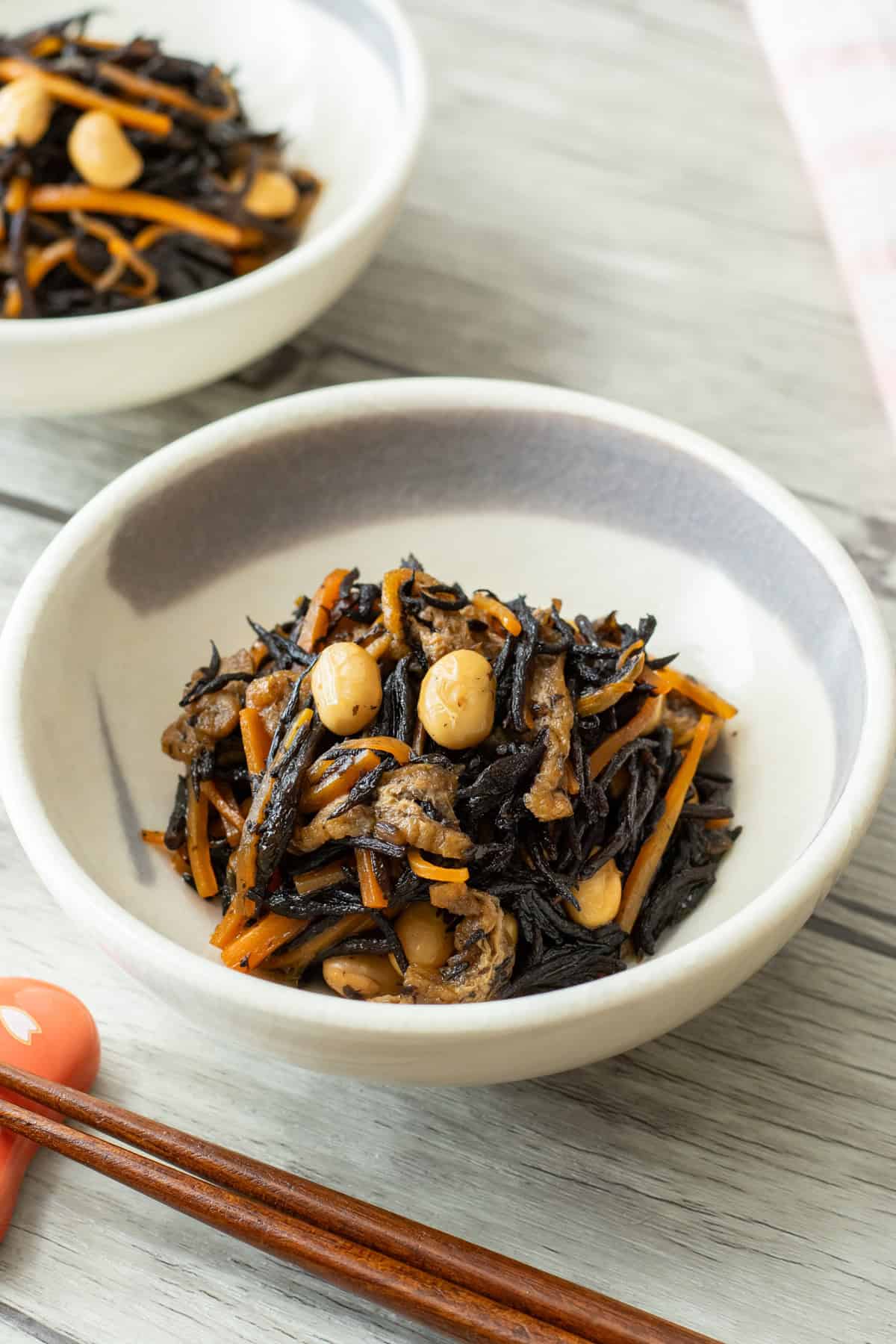
Hijiki-Ni is a traditional Japanese dish made by simmering hijiki seaweed with ingredients such as carrots and aburaage (fried tofu pouches) in a sweet and savory sauce. "Hijiki" is a type of seaweed that has been enjoyed in Japan for centuries, while "Ni" comes from the verb "niru," meaning to simmer. In Japan, the dish is also known as hijiki no nimono (simmered hijiki), and outside Japan, it is sometimes referred to as hijiki salad.
It is one of the most popular ways to enjoy hijiki in Japan, allowing you to appreciate its unique texture along with traditional Japanese flavors. While its dark, unassuming appearance may not seem particularly appetizing, one bite reveals a delicate balance between the seaweed's natural flavor and the sweet and savory seasonings.
Since hijiki is rich in dietary fiber and minerals, this dish is also a great choice for those looking to incorporate more nutritious foods into their diet. In Japan, it is not only a staple side dish commonly served alongside rice but is also often included in bento (lunch boxes). I hope you will bring a taste of this humble yet flavorful Japanese favorite to your own table.
So, what is hijiki?
Some of you may not be familiar with hijiki to begin with.
Hijiki is a type of seaweed with long, slender strands that grows along rocky coastal areas. Most hijiki available in stores has been steamed or boiled and then dried. It has a deep brownish-black color and a thin, thread-like shape. Since you can rehydrate only the amount you need in water before using it, it has long been a convenient and familiar ingredient in Japanese home cooking.
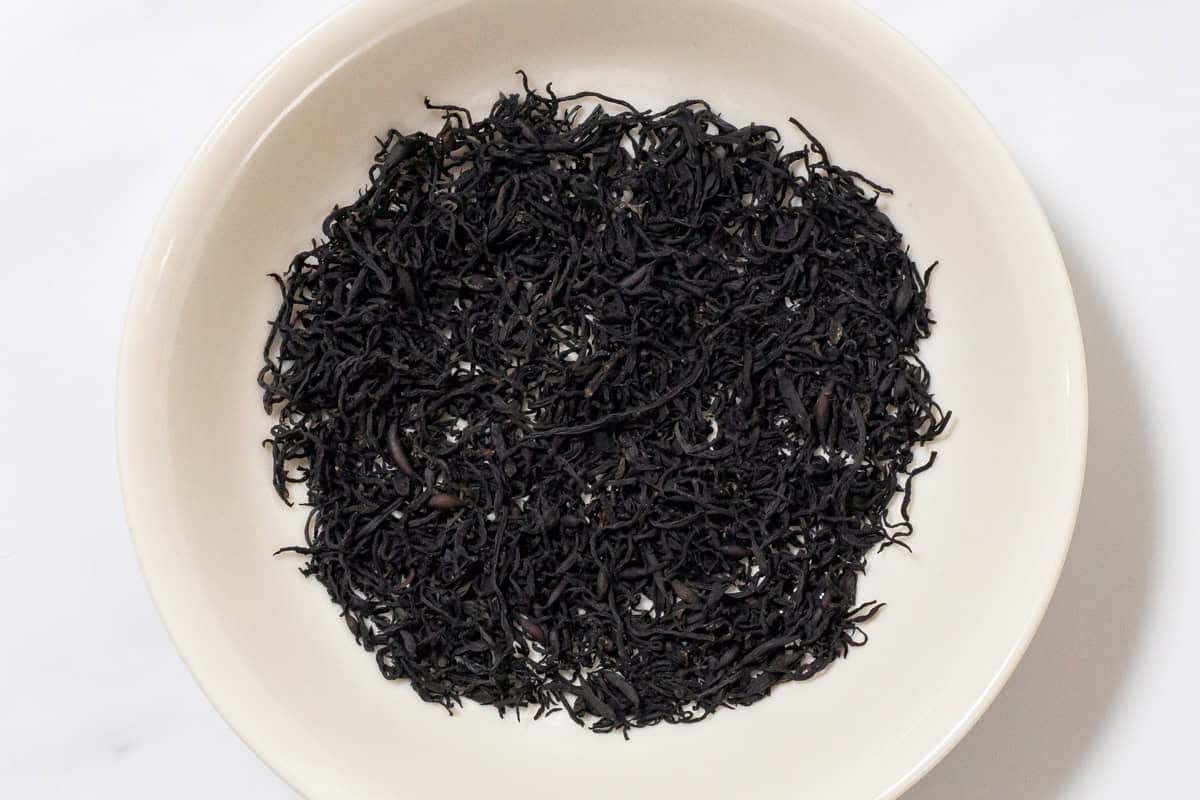
It is rich in dietary fiber and minerals such as calcium and magnesium, and it has traditionally been valued as a nutritious food. While it has a mild, earthy flavor, it readily absorbs other flavors, so simmering it with seasonings allows it to take on those flavors beautifully.
Hijiki is mainly sold in two varieties: mehijiki (芽ひじき) and nagahijiki (長ひじき). Mehijiki consists primarily of the leafy parts of the seaweed, while nagahijiki is made from the stems. Mehijiki has a softer, more delicate texture, whereas nagahijiki has a firmer bite and a slightly stronger seaweed flavor. Both types are simply referred to as "hijiki," so feel free to use whichever variety you prefer.
Common additions
In addition to hijiki, there are several other ingredients commonly used in hijiki-ni. The most common additions are:
- Carrots
- Aburaage (fried tofu pouches)
- Soybeans
- Konjac (konnyaku)
- Chikuwa (tube-shaped fish cake)
Carrots add color, aburaage adds richness, and soybeans, konjac, and chikuwa provide additional textures, making the dish more enjoyable. The amount and combination of ingredients are a matter of personal preference, but since hijiki is the star of the dish, it is best not to add so many other ingredients that they overpower its flavor or texture.
Although it is not very common in Japan, edamame is often used as a substitute for soybeans when making this dish outside Japan. This variation may have become popular because the bright green color of edamame makes the dish more visually appealing. In fact, if you want to add a little more color to the dish's otherwise understated appearance, the bright green of edamame can be a nice touch. On the other hand, if you want to recreate the dish as it is traditionally prepared in Japan, using soybeans is the better choice.
An important note on preparing hijiki
There is one important thing to keep in mind when preparing this dish: be sure to discard the water you used to rehydrate the hijiki.
Hijiki contains small amounts of naturally occurring inorganic arsenic. This water-soluble substance is largely removed during the rehydration process, but the dissolved inorganic arsenic remains in the soaking water. Using this soaking water for cooking is not good for your health. Accidentally using it does not mean that you will immediately experience any adverse health effects, but it is wise to reduce this avoidable risk, especially if you plan to include hijiki regularly in your diet.
According to Japan's Ministry of Health, Labour and Welfare, there have been no confirmed cases of health problems caused by eating hijiki in Japan. However, even proper soaking and preparation do not remove all of the inorganic arsenic. For this reason, it is best to avoid eating large amounts of hijiki every day.
When prepared properly and consumed in moderation, hijiki is a nutritious food that has long been a part of Japanese cuisine. With proper preparation, you can enjoy this traditional dish as part of a healthy, balanced diet.
📋Step-by-step recipe
Ingredients
- 0.4 oz dried hijiki seaweed
- 1.5 oz carrot
- 0.4 oz aburaage (fried tofu pouches)
- 1.5 oz cooked soybeans
Seasonings:
- ⅔ cup dashi stock (Please refer to the linked page for instructions on how to make it. For plant-based options, see the pages on Kombu Dashi and Shiitake Dashi.)
- 1 ½ Tbsp mirin
- ½ Tbsp sugar
- 1 ½ Tbsp soy sauce
Instructions
🕒 Total: 1 hr 5 mins
Step 1
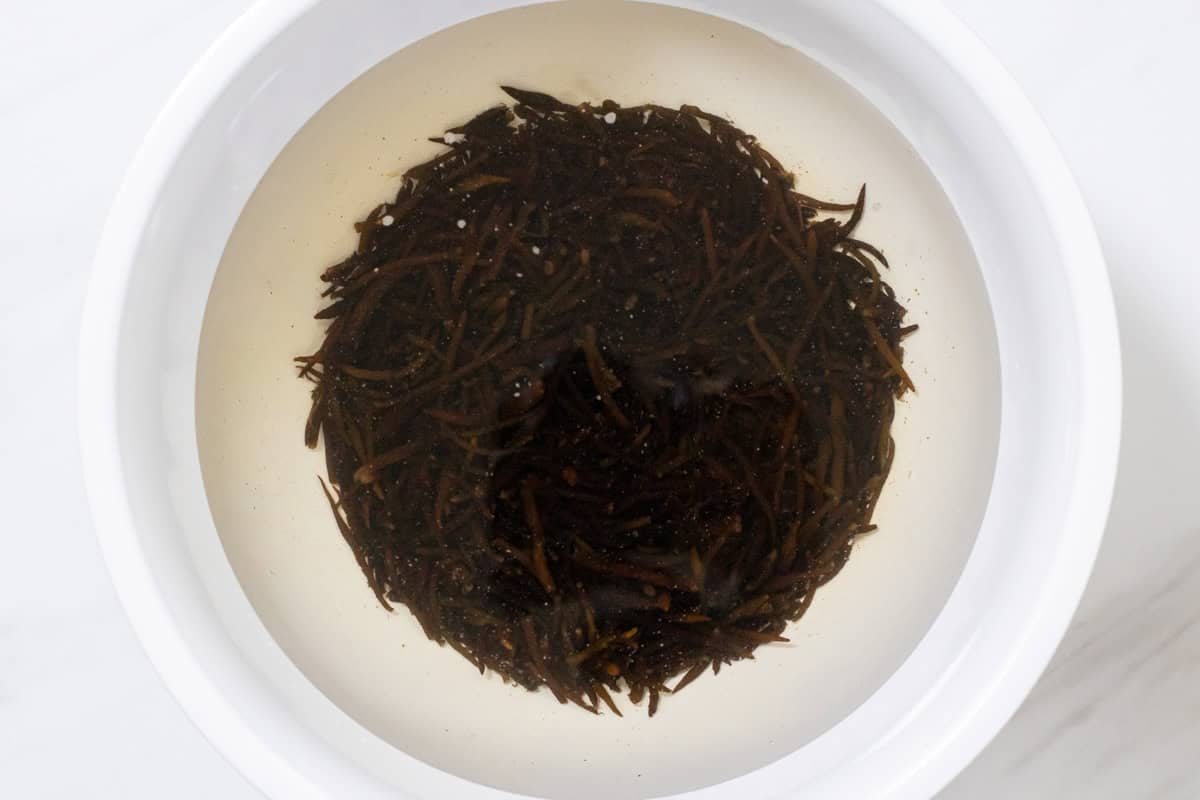
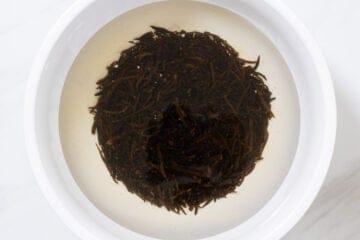
In a large bowl, combine the dried hijiki with plenty of water and let it soak for about 30-60 minutes. (If the package specifies a soaking time, follow those instructions.) Once the hijiki is rehydrated, drain it in a fine-mesh strainer, rinse it under running water, and drain well.
Step 2
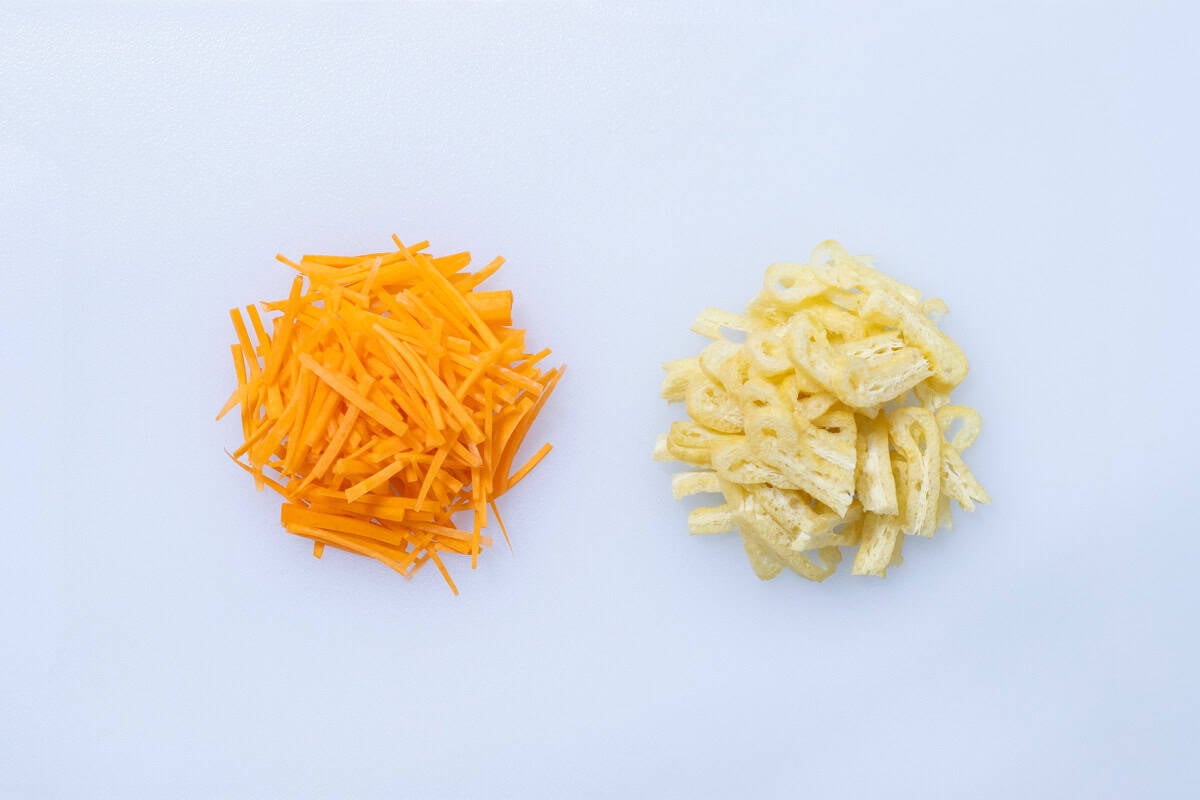
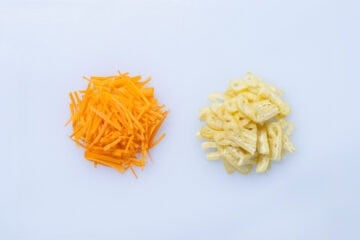
Cut the carrot into thin strips. Pat the aburaage dry with paper towels to remove any excess oil, then cut it into thin, bite-sized strips.
Step 3
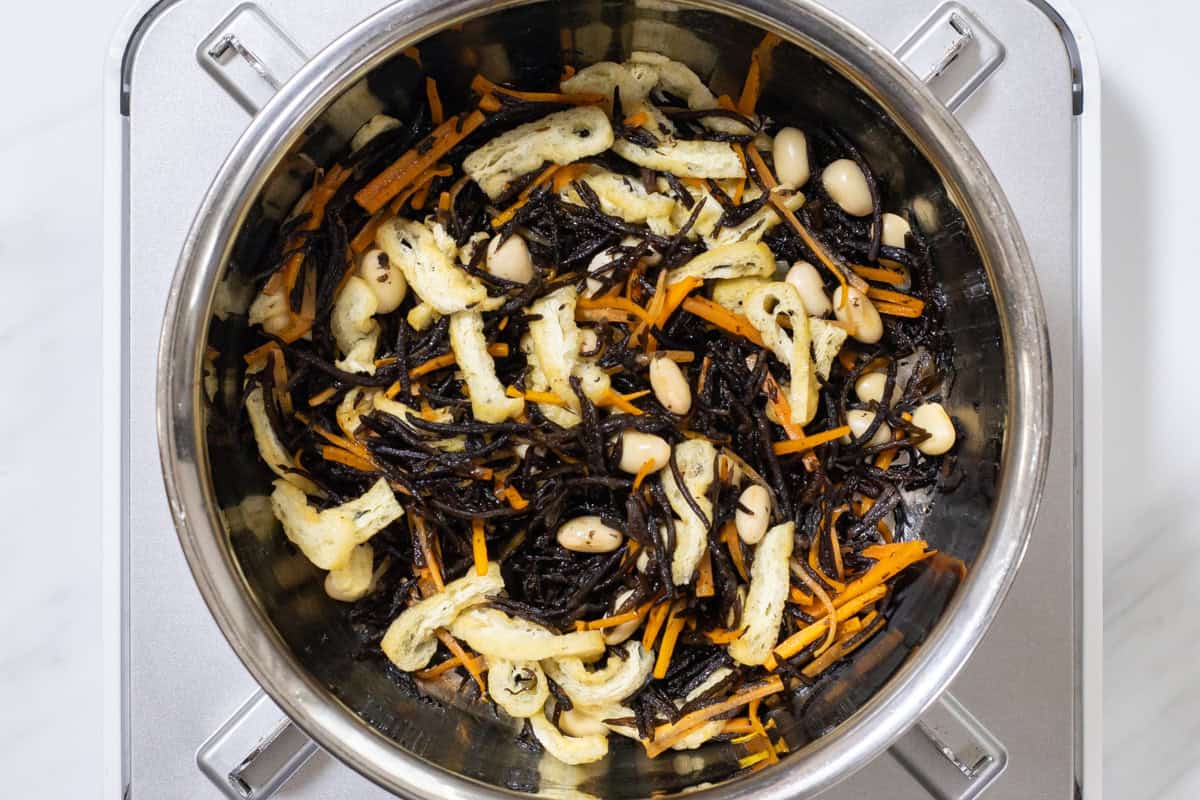
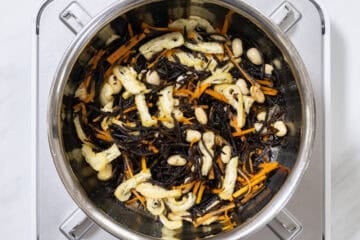
Heat oil in a pot. Once the pot is hot, add the carrot and stir-fry briefly over medium heat until evenly coated with oil. Add the hijiki and continue cooking for about 1-2 minutes to cook off any excess moisture. Then, add the aburaage and soybeans, and stir-fry briefly to combine.
Step 4
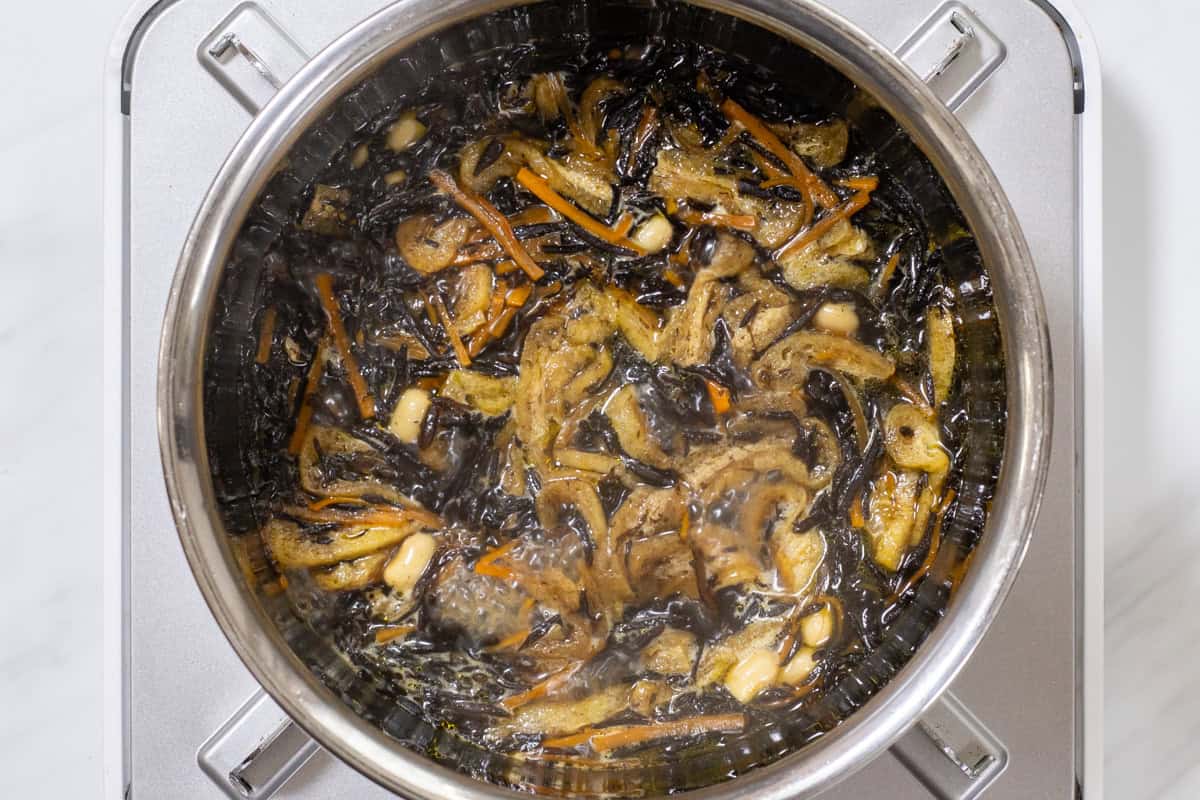
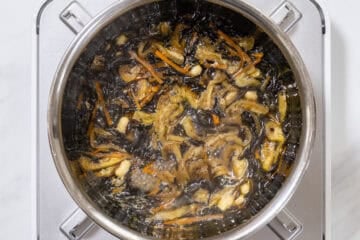
Add the seasonings (dashi, mirin, sugar, and soy sauce) to the pot and bring to a boil. Once boiling, reduce the heat to medium-low and simmer for 10-15 minutes, stirring occasionally, until only a small amount of liquid remains.
Step 5
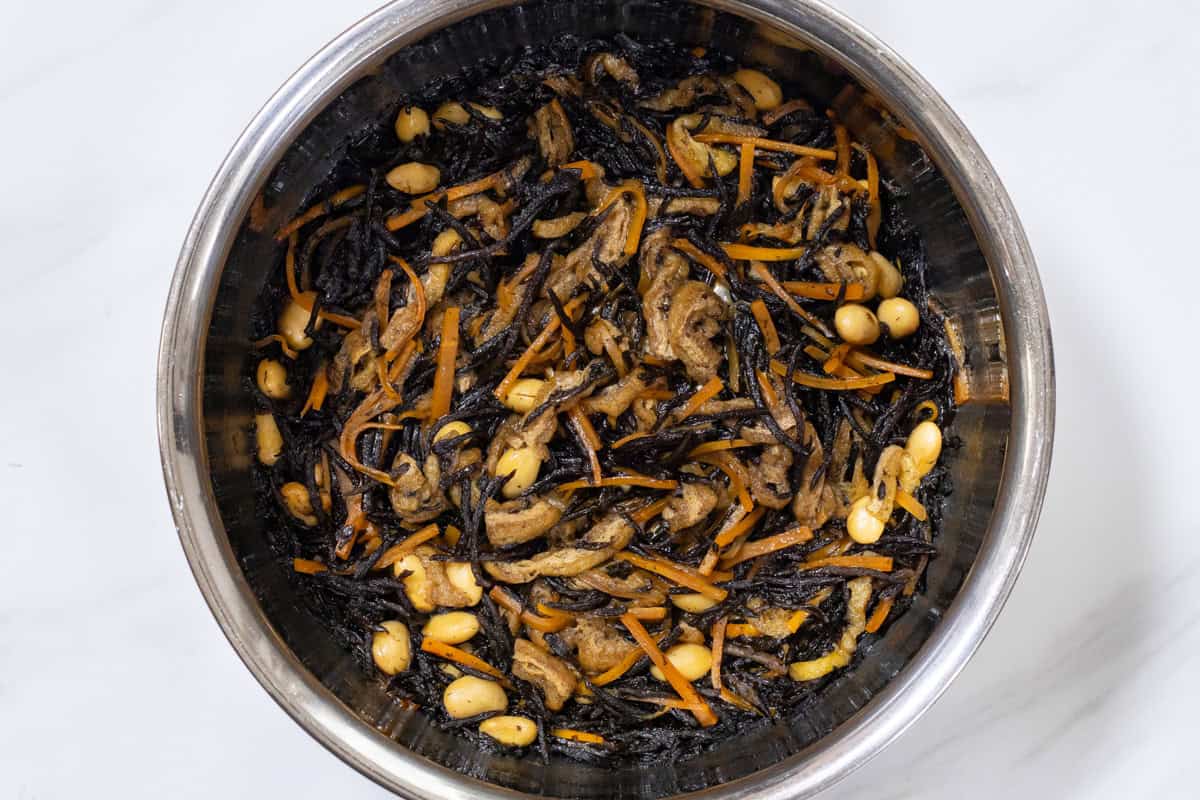
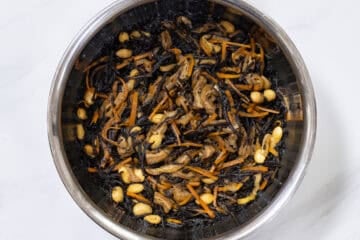
Remove from the heat and let the mixture cool in the pot, or transfer it to a bowl along with any remaining liquid and let it cool, allowing the flavors to meld. It can be served as is, but chilling it in the refrigerator for a while longer will allow the flavors to develop further.
How to store
The dish will keep in the refrigerator for up to 3 days.
Cooking tips
- Be sure to discard the water used to soak the hijiki.
- Stir-fry the hijiki and other ingredients in oil before simmering to help them absorb the oil and develop a richer flavor.
I hope you enjoy this recipe!
If you try it, I’d love to hear how it turned out. Please leave a review 💬 and a star rating ⭐ in the comment below. Your support and feedback means so much to me!
More recipes you'll love
Printable Recipe Card
Hijiki-Ni (Japanese Hijiki Seaweed Salad)
Ingredients
- 0.4 oz dried hijiki seaweed
- 1.5 oz carrot
- 0.4 oz aburaage (fried tofu pouches)
- 1.5 oz cooked soybeans
Seasonings:
- ⅔ cup dashi stock (Please refer to the linked page for instructions on how to make it. For plant-based options, see the pages on Kombu Dashi and Shiitake Dashi.)
- 1 ½ Tbsp mirin
- ½ Tbsp sugar
- 1 ½ Tbsp soy sauce
Instructions
- In a large bowl, combine the dried hijiki with plenty of water and let it soak for about 30-60 minutes. (If the package specifies a soaking time, follow those instructions.) Once the hijiki is rehydrated, drain it in a fine-mesh strainer, rinse it under running water, and drain well.

- Cut the carrot into thin strips. Pat the aburaage dry with paper towels to remove any excess oil, then cut it into thin, bite-sized strips.
- Heat oil in a pot. Once the pot is hot, add the carrot and stir-fry briefly over medium heat until evenly coated with oil. Add the hijiki and continue cooking for about 1-2 minutes to cook off any excess moisture. Then, add the aburaage and soybeans, and stir-fry briefly to combine.
- Add the seasonings (dashi, mirin, sugar, and soy sauce) to the pot and bring to a boil. Once boiling, reduce the heat to medium-low and simmer for 10-15 minutes, stirring occasionally, until only a small amount of liquid remains.
- Remove from the heat and let the mixture cool in the pot, or transfer it to a bowl along with any remaining liquid and let it cool, allowing the flavors to meld. It can be served as is, but chilling it in the refrigerator for a while longer will allow the flavors to develop further.
Notes
- The dish will keep in the refrigerator for up to 3 days.
Leave a Rating and a Comment