

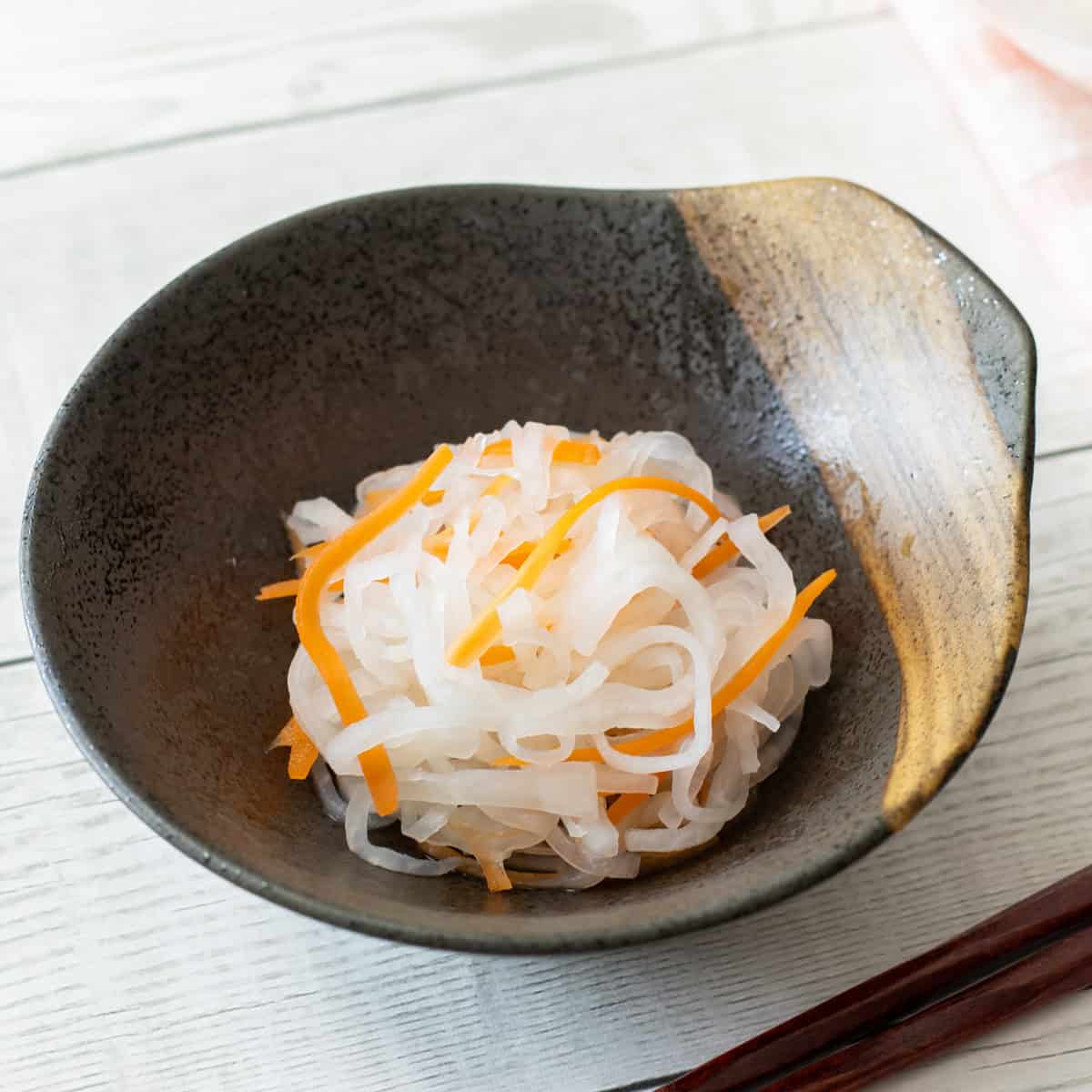
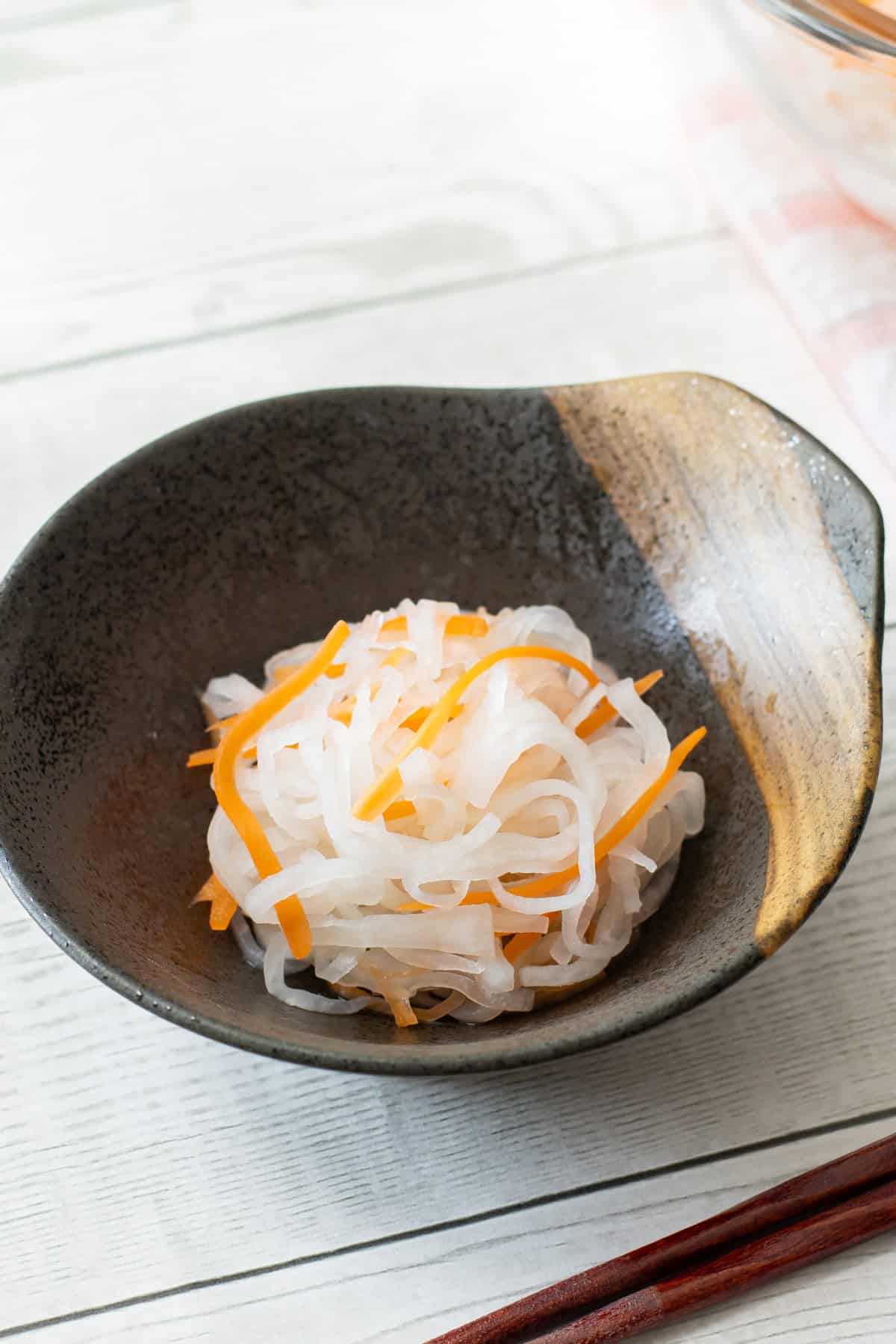
Kohaku Namasu is a traditional Japanese side dish made with finely julienned daikon radish and carrots. Its contrasting white and red colors, crisp yet tender texture, and refreshing sweet-and-sour flavor make it a beloved everyday dish as well as a staple of osechi ryori, the special cuisine enjoyed during the Japanese New Year.
Jump to:
What is Kohaku Namasu?
Kohaku Namasu (pronounced kōhaku namasu) is a traditional Japanese dish made by massaging finely julienned daikon radish and carrots with salt to draw out excess moisture, then tossing them in a sweet vinegar dressing.
"Kohaku" means red and white, while "Namasu" refers to a dish in which finely julienned vegetables or seafood are dressed with seasoned vinegar, often sweetened with sugar. The dish gets its name from the combination of red and white, represented by the carrot and daikon.
While this dish is commonly served in Japan as a side dish or accompaniment to bento (lunch boxes), it is also a well-known part of osechi ryori, the traditional assortment of Japanese New Year's dishes. This is because red and white have long been considered auspicious colors in Japan, and the thin white and red strips of daikon and carrot resemble mizuhiki, decorative cords traditionally tied around gift packages for celebrations and other special occasions. Since both daikon and carrots are root vegetables that grow deep in the ground, they also symbolize wishes for stability in life and business.
Its refreshing sweet-and-sour flavor makes it a perfect palate cleanser between bites. It pairs especially well with rich foods, making it an excellent accompaniment to meat and fish dishes. It is also easy to prepare and keeps well in the refrigerator, so feel free to try making this refreshing dish at home.
The key technique for perfect texture
Kohaku Namasu is primarily prepared in the following four steps:
- Julienne the daikon radish and carrot.
- Massage the daikon and carrot with salt and let them sit for a short while.
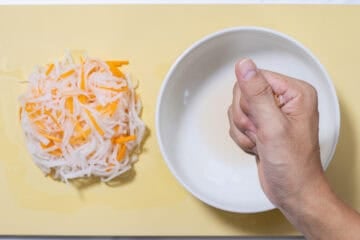
- Squeeze the vegetables by hand to remove excess moisture.
- Marinate them in a sweet vinegar dressing to allow the flavors to meld.
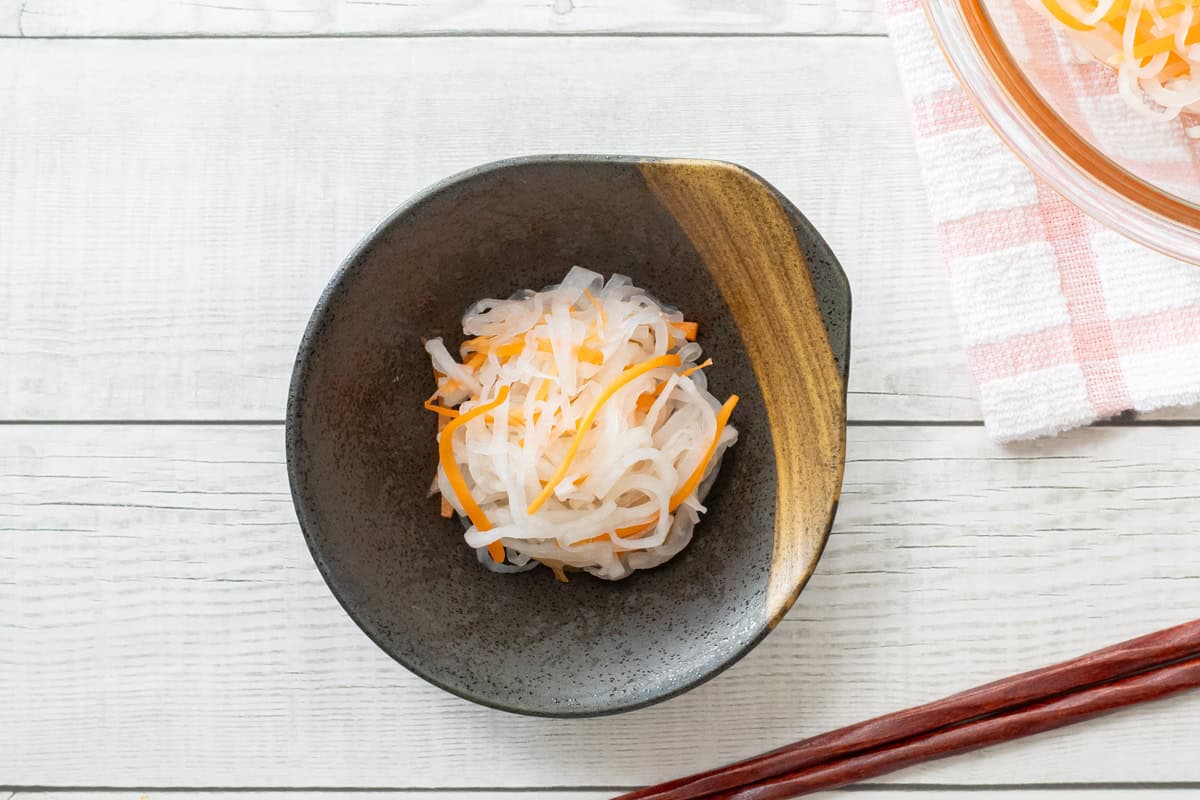
Of these steps, squeezing excess moisture out of the daikon and carrot has the greatest impact on the final result. Removing some of the moisture allows the sweet vinegar dressing to penetrate the vegetables more effectively, resulting in the crisp yet tender texture that is characteristic of kohaku namasu.
When doing this, it is especially important to pay attention to how firmly you squeeze the vegetables. If you squeeze too hard, the vegetables may become overly compressed, causing them to lose their pleasant crunch. You may also remove too much moisture, which can make the sweet vinegar flavor too intense. To avoid this, gently squeeze the vegetables without applying too much pressure.
Salting vegetables and then removing excess moisture is a traditional technique commonly used in Japanese cuisine when preparing dressed vegetable dishes. When done properly, it allows the sweet vinegar dressing to soak into the vegetables while preserving just the right amount of crispness.
Choosing the right part of the daikon
When making kohaku namasu, there is one more thing to pay attention to: which part of the daikon radish you use.
Daikon has different characteristics depending on which part you use. It can be divided into three sections—the upper, middle, and lower parts, from the leafy end to the tip—each with its own characteristics:
- Upper part: High in moisture and naturally sweet, with less pungency, making it ideal for eating raw, such as in salads.
- Middle part: A good balance of sweetness and spiciness, making it a versatile choice.
- Lower part: Generally more pungent, with a firmer, crisper texture. It is well suited for pickling and is also commonly used to make grated daikon.
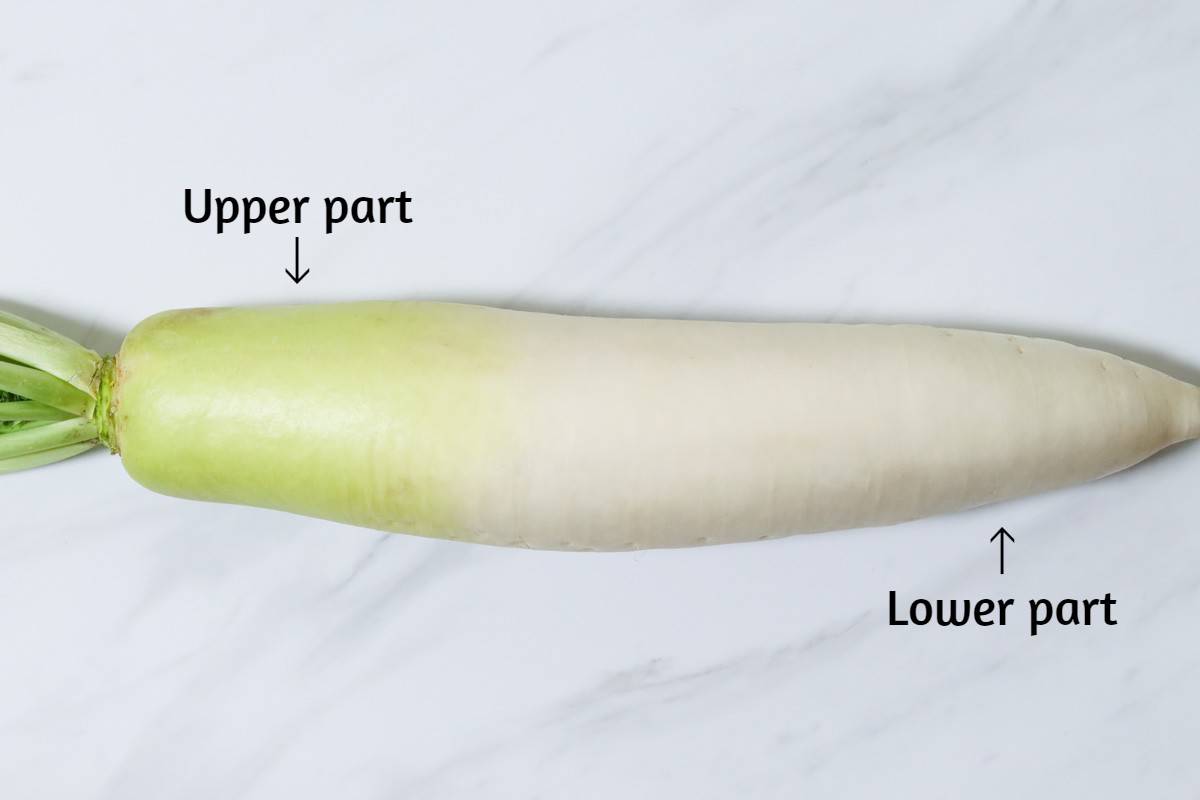
Since kohaku namasu is made with raw daikon, the upper part is the best choice. Its mild, naturally sweet flavor pairs beautifully with the sweet-and-sour dressing used in the dish. On the other hand, using the lower part may result in a noticeably more pungent flavor, so keep this in mind when choosing which part to use.
Optional toppings
Once your kohaku namasu is ready, you can also add toppings like the ones below to give it a little more variety in flavor and texture:
- Yuzu zest (Japanese citrus)
- Mitsuba (Japanese parsley)
- Crab meat
- Ikura (salmon roe)
These toppings are not commonly used when making the dish for everyday meals in Japan, but they are sometimes added for special occasions and celebrations. They give the dish a more elegant and festive touch. Although these toppings are not included in this recipe, feel free to add them according to your preference or how you plan to serve the dish.
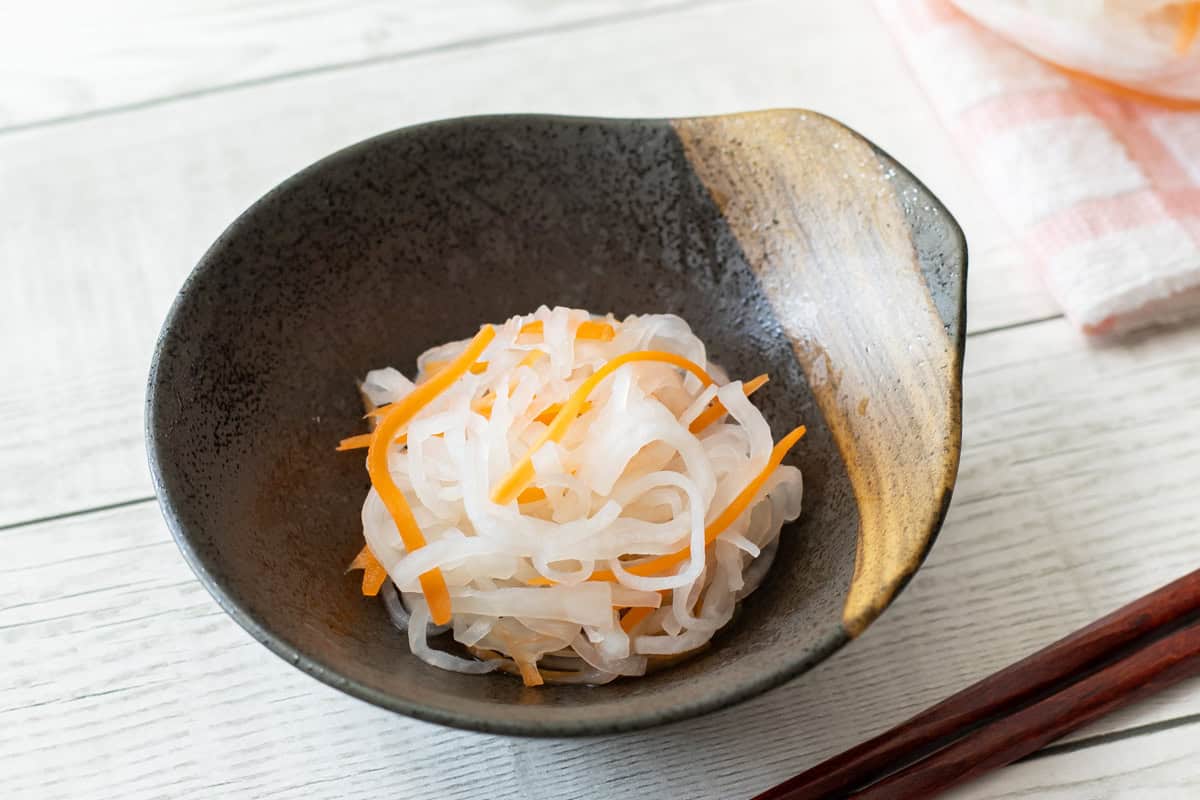
📋Step-by-step recipe
Ingredients
- 10.6 oz daikon radish
- 1.8 oz carrot
- 1 tsp salt
- 3 Tbsp rice vinegar
- 2 Tbsp sugar
Instructions
🕒 Total: 1 hr 20 mins
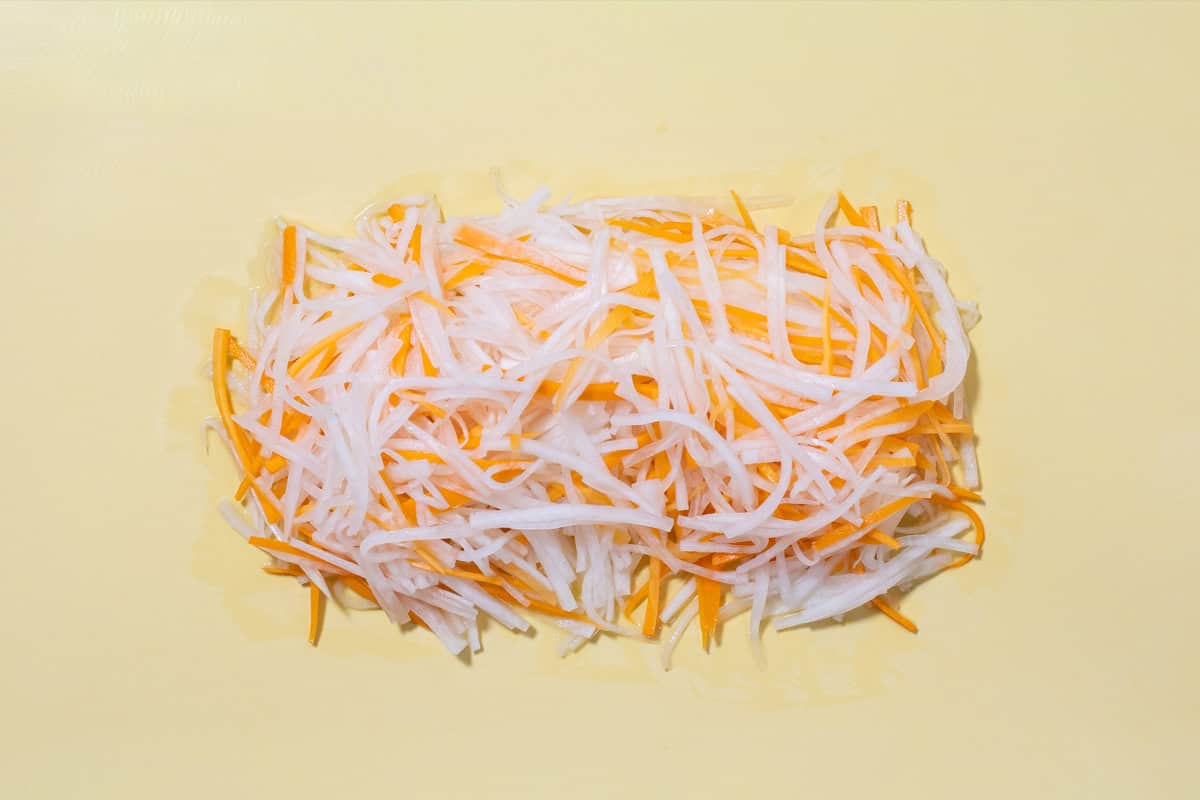
Step 1
Peel the daikon and carrot, then cut them into thin julienne strips about 2-3 inches (5-8 cm) long. Sprinkle them with salt and massage the vegetables to coat them evenly. Let them sit for about 10 minutes.
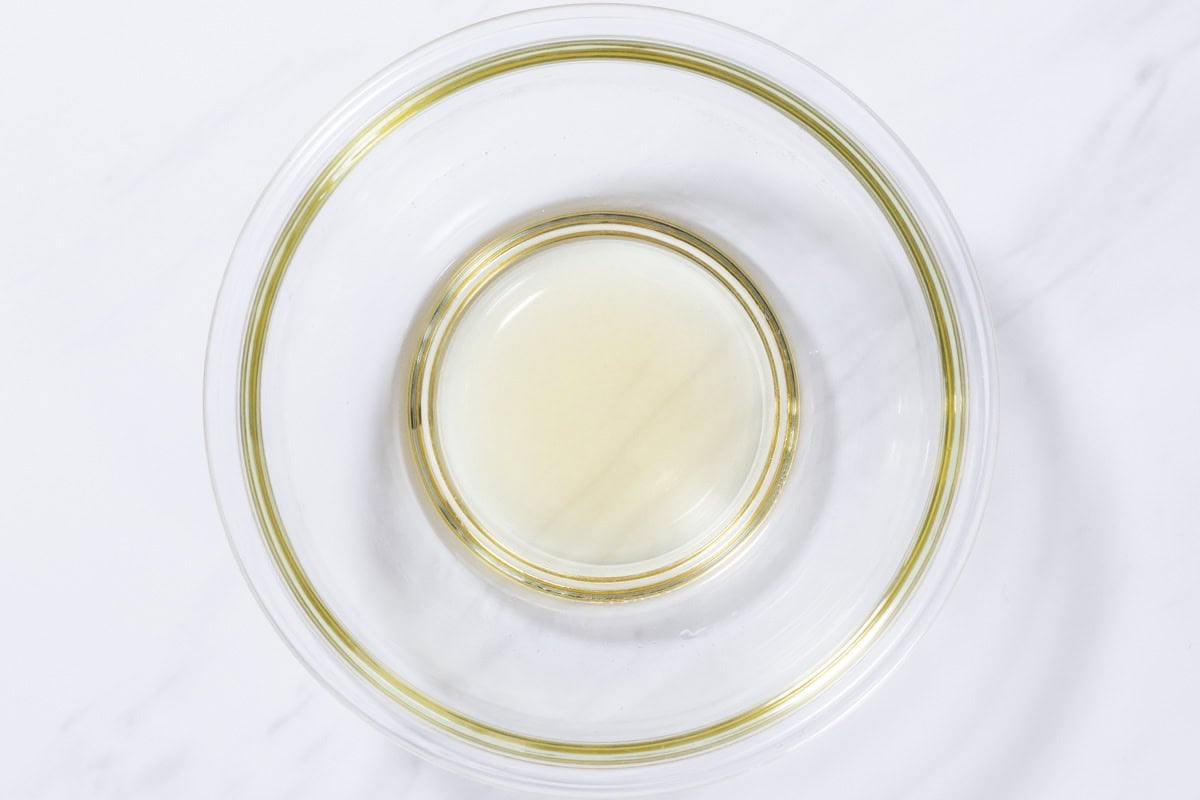
Step 2
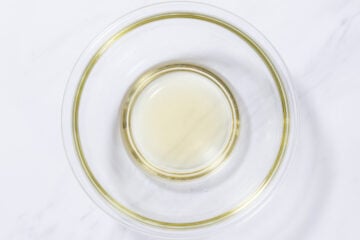
In a bowl, combine the rice vinegar and sugar, and stir well until the sugar has dissolved.
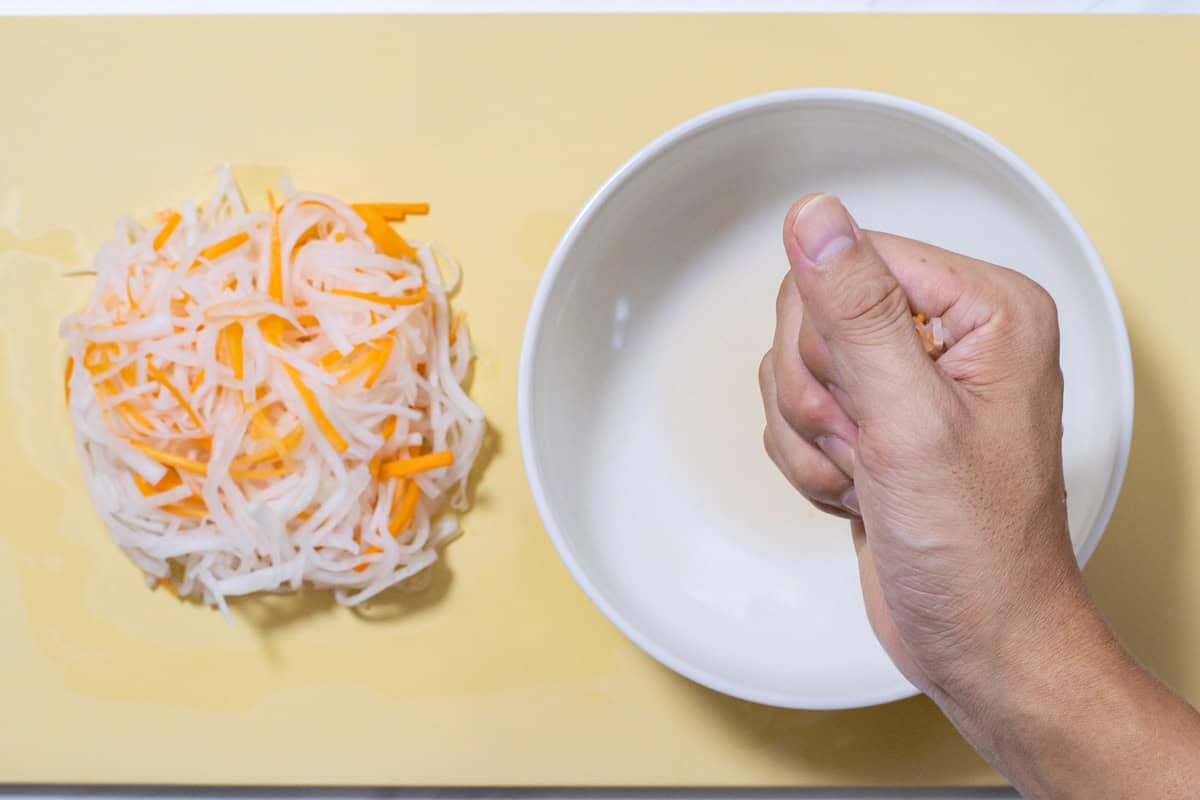
Step 3
Gently squeeze the daikon and carrot by hand to remove some of the excess moisture. Do not squeeze out all the moisture; leave about half of it in the vegetables so they remain slightly juicy.
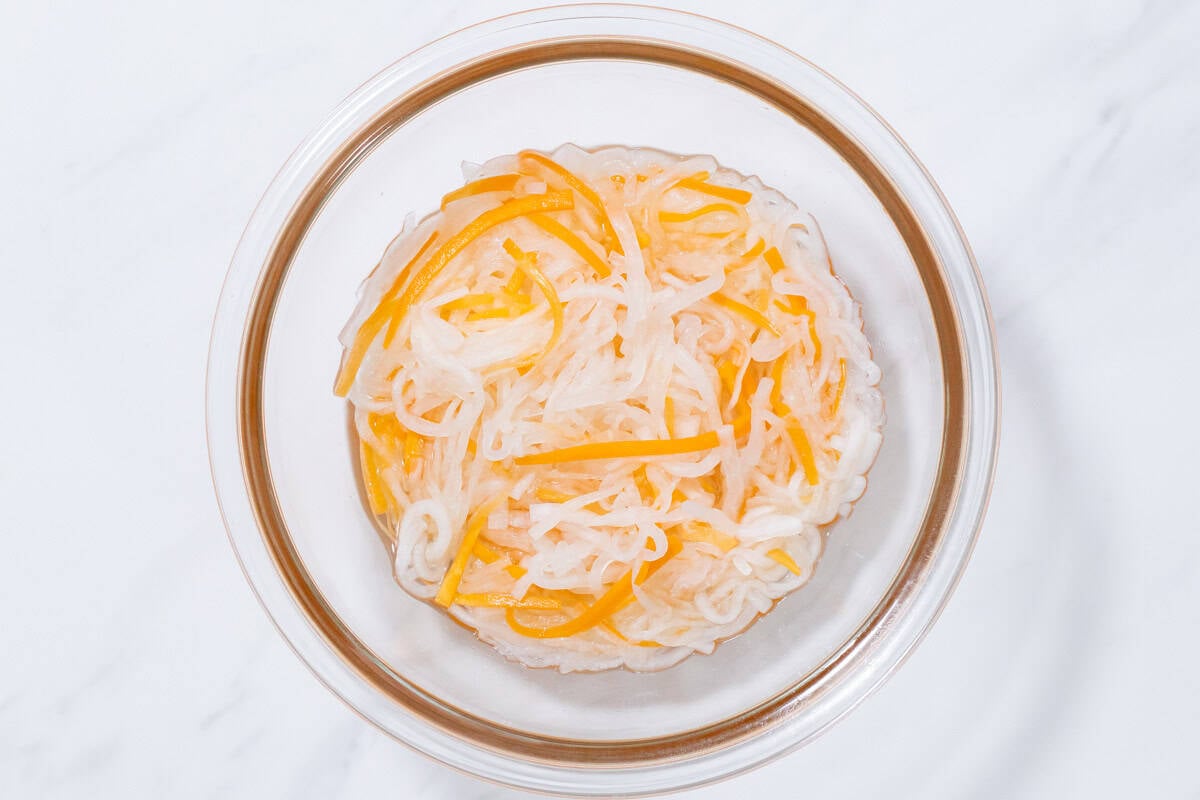
Step 4
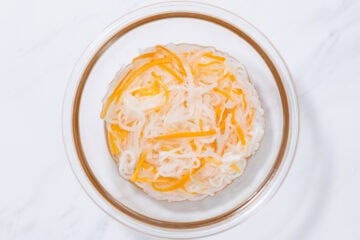
Add the daikon and carrot to the bowl and toss them with the sweet vinegar dressing. Cover the bowl with plastic wrap and let it sit in the refrigerator for at least 1 hour.
How to store
The dish can be kept in the sweet vinegar dressing in the refrigerator for up to a week.
Cooking tips
- It is best to peel the daikon a little more thickly because the layer just beneath the skin contains a lot of tough fibers.
- Do not squeeze the daikon and carrot too hard. Squeezing them too much can cause them to lose their pleasant crunch and make the sweet vinegar flavor too intense.
I hope you enjoy this recipe!
If you try it, I’d love to hear how it turned out. Please leave a review 💬 and a star rating ⭐ in the comment below. Your support and feedback means so much to me!
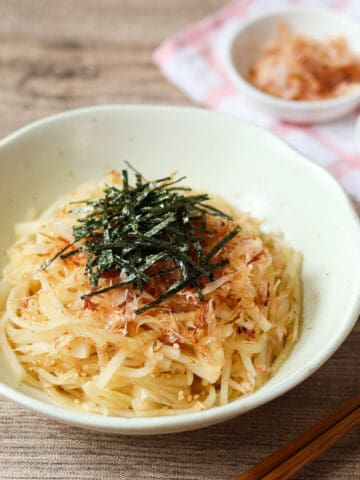
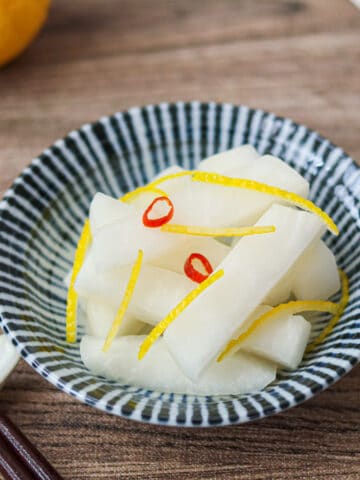
More daikon recipes you'll love


Printable Recipe Card
Kohaku Namasu (Japanese Pickled Daikon and Carrot Salad)
Ingredients
- 10.6 oz daikon radish
- 1.8 oz carrot
- 1 tsp salt
- 3 Tbsp rice vinegar
- 2 Tbsp sugar
Instructions
- Peel the daikon and carrot, then cut them into thin julienne strips about 2-3 inches (5-8 cm) long. Sprinkle them with salt and massage the vegetables to coat them evenly. Let them sit for about 10 minutes.

- In a bowl, combine the rice vinegar and sugar, and stir well until the sugar has dissolved.
- Gently squeeze the daikon and carrot by hand to remove some of the excess moisture. Do not squeeze out all the moisture; leave about half of it in the vegetables so they remain slightly juicy.
- Add the daikon and carrot to the bowl and toss them with the sweet vinegar dressing. Cover the bowl with plastic wrap and let it sit in the refrigerator for at least 1 hour.

Notes
- The dish can be kept in the sweet vinegar dressing in the refrigerator for up to a week.
Leave a Rating and a Comment