

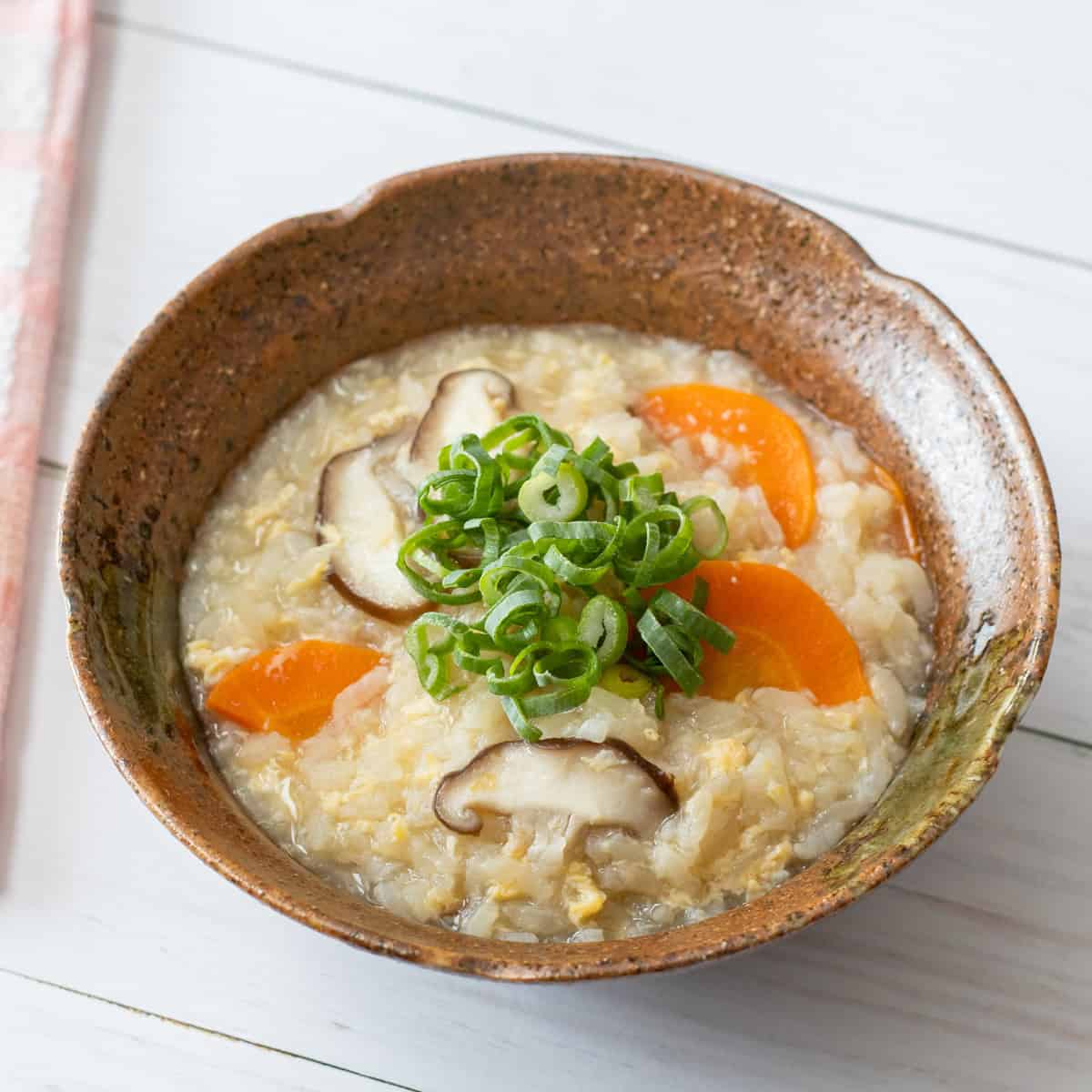
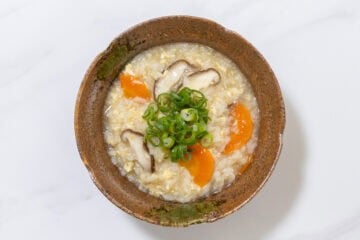
Zosui is a comforting Japanese rice dish made with flavorful dashi broth, giving it a gentle, savory taste. It's easy on the stomach and perfect for warming you up. You can also enjoy many variations by adding different ingredients.
Jump to:
What is Zosui?
Zosui (pronounced zōsui) is a traditional Japanese dish made by simmering cooked short-grain rice in dashi-based broth along with ingredients such as vegetables, meat, fish, and mushrooms.
In Japan, the term "zosui" is also associated with the idea of adding water, and the dish is said to have gotten its name from the practice of adding liquid to rice to increase its volume. Depending on the region or household, the dish may also be called "ojiya," a name believed to have originated from the onomatopoeic expression "jiyajiya," which imitates the sound of rice and soup bubbling together.
One of the main appeals of zosui is that it allows you to enjoy the combined flavors of a wide variety of ingredients in a single dish. As the rice absorbs the dashi-based broth, which is further enhanced by the flavors of the other ingredients, it develops a simple yet umami-rich flavor. Since there are no fixed ingredients for the dish, you can also easily create your own variations using whatever ingredients you have on hand.
With just cooked short-grain rice and dashi, this dish is incredibly easy to make and difficult to get wrong. I hope you'll give this comforting Japanese classic a try in your own kitchen.
Common ingredients
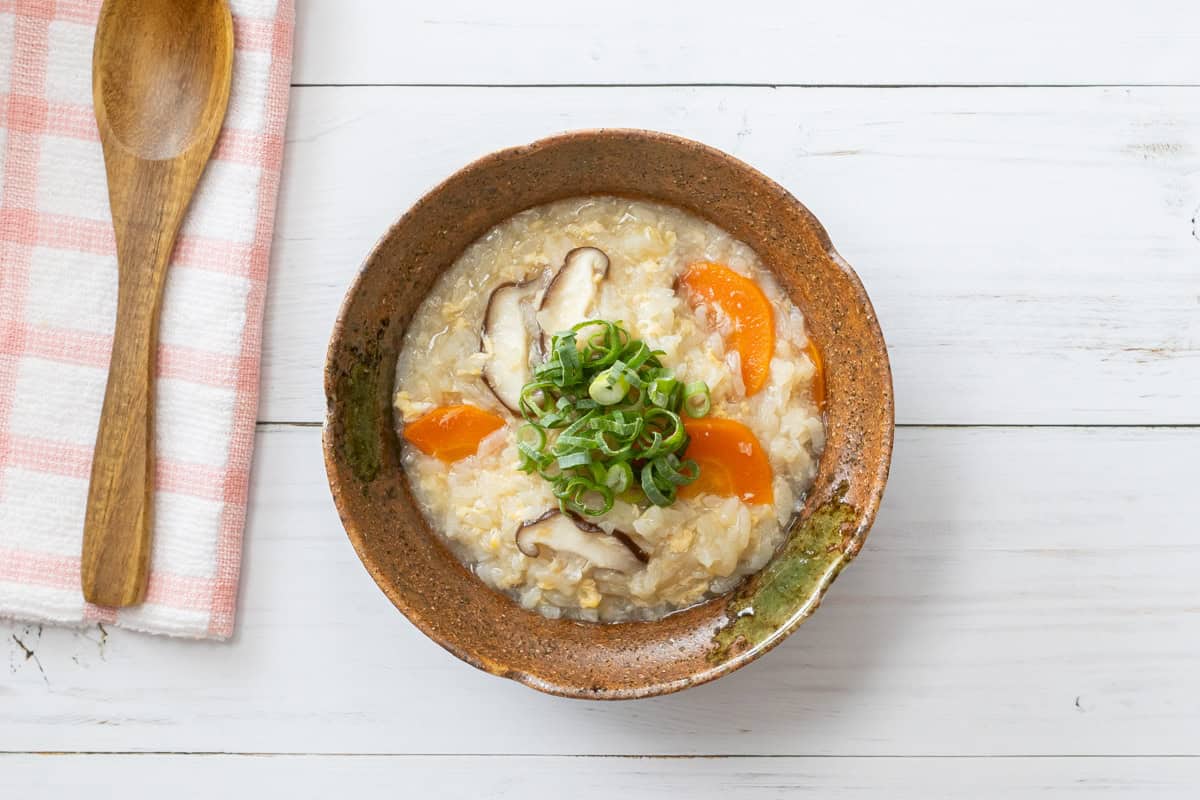
Let's take a close look at the ingredients commonly used in zosui. In general, you can use just about any ingredient that tastes good when simmered, but the following are especially popular choices:
- Carrots
- Daikon radish
- Napa cabbage
- Green onions (scallions)
- Chicken
- Salmon
- Cod
- Shiitake mushrooms
- Shimeji mushrooms
- Enoki mushrooms
- Eggs
Among these, eggs are one ingredient I especially recommend. When you pour beaten eggs into the dashi-based broth, they gently cook into a soft, fluffy texture and lightly coat the rice. The combination of dashi and eggs works exceptionally well and is a classic pairing found in many other Japanese dishes as well, so it is definitely worth trying.
You can keep it simple by using just a few ingredients, or make a hearty version with a wide variety of ingredients. However, keep in mind that the star of zosui is the rice, so it is best to use these ingredients in moderation so that they don't overpower the rice.
To rinse or not to rinse the rice
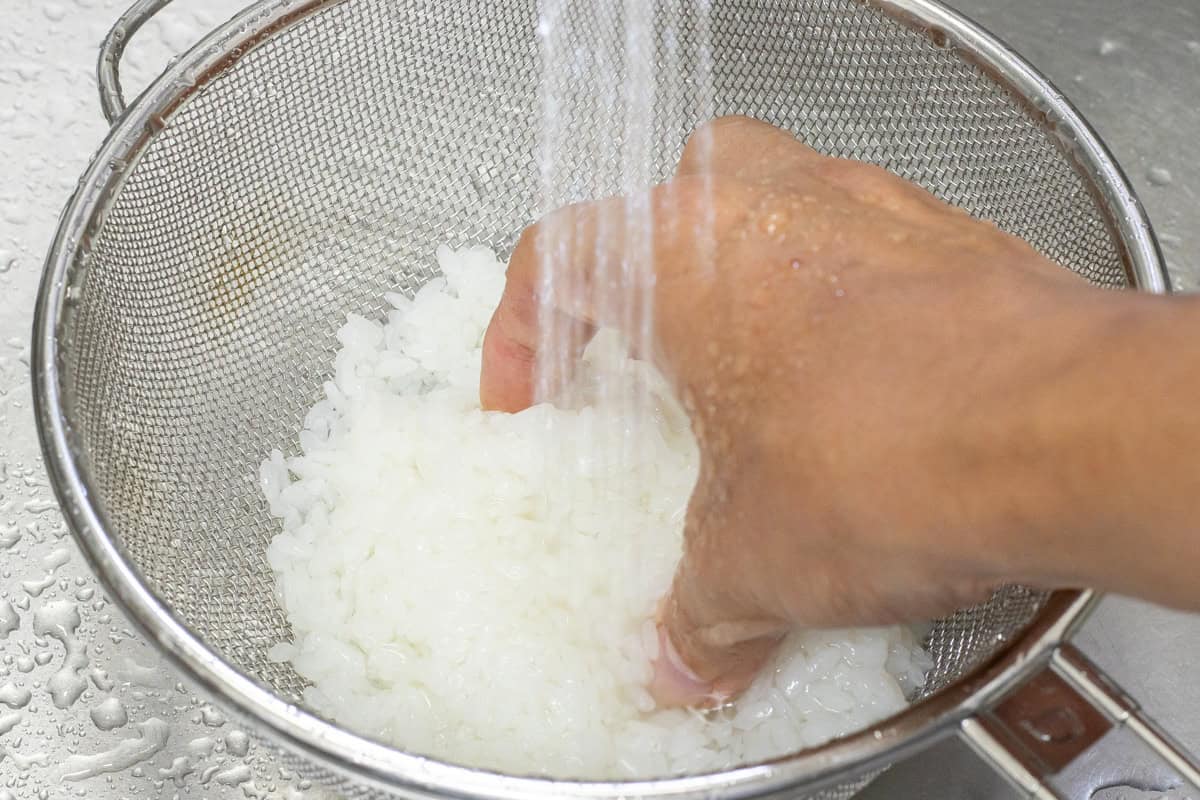
There is one step worth remembering when making zosui: rinsing the cooked rice.
You rinse the rice after it has been cooked, not before. Rinsing the cooked rice before adding it to the dashi-based broth helps prevent the starch on the surface of the rice from dissolving into the liquid, resulting in several benefits:
- A lighter, cleaner texture
- A clearer soup
- Rice grains that are less likely to stick together
- A soup that allows the flavors of the dashi and other ingredients to come through more distinctly
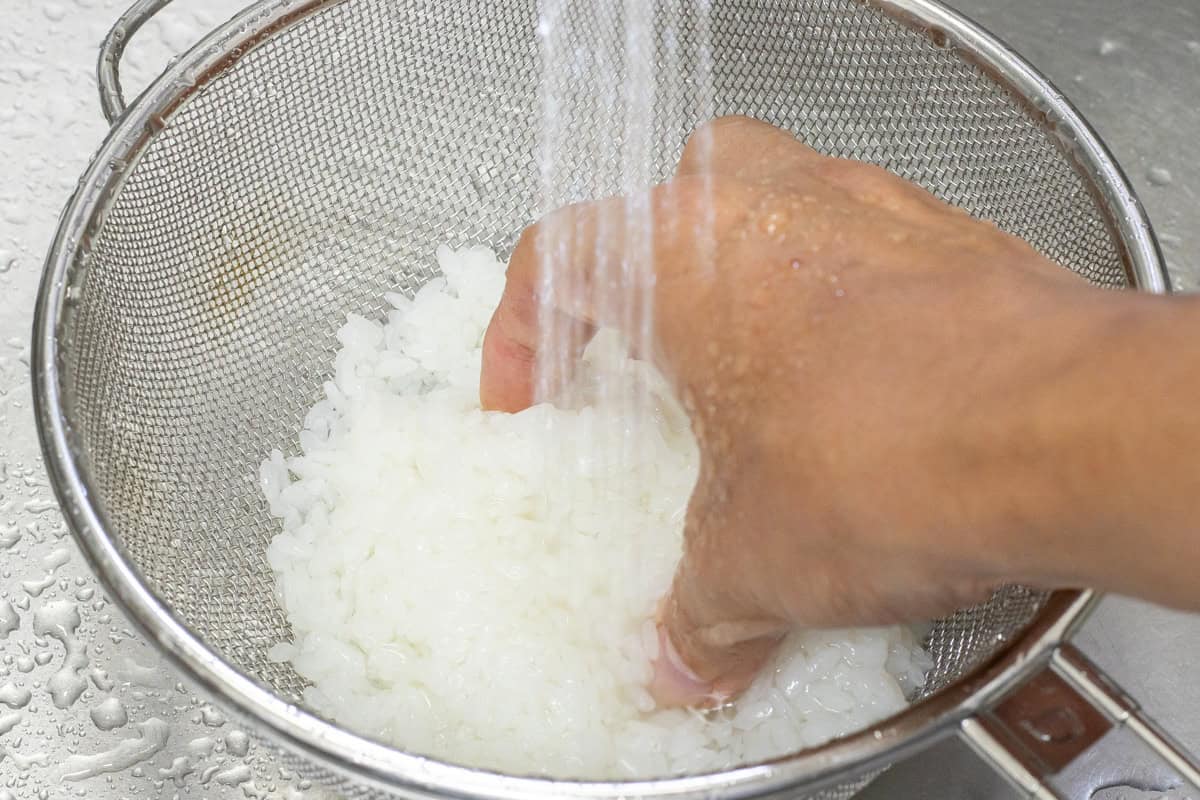
This is a common practice at traditional Japanese restaurants.
That said, rinsing the rice is not strictly necessary. If you skip this step and simmer the cooked rice directly in the soup, some of the starch will gradually dissolve into the liquid, giving it a slightly thicker, porridge-like consistency. This creates a dish in which the rice and soup come together more cohesively. Since it requires less effort, this is also a common way to make zosui at home.
In other words, if you want a lighter, more refined zosui, rinse the cooked rice. If you prefer a thicker consistency with more of the rice's natural starch, skip the rinsing. Feel free to include or omit this step depending on your preference. Ultimately, the choice is a matter of personal preference, but rinsing the rice can make a noticeable difference in the final dish.
How long to simmer the rice
Another thing to keep in mind when making zosui is how long you simmer the rice.
In this dish, the rice needs to be simmered for a certain amount of time to allow the flavors of the dashi and seasonings to meld, but the length of time you simmer it can also make a noticeable difference in the final texture.
The shorter you simmer the rice, the lighter and more fluid the zosui will be. The longer you simmer it, the more starch is released from the rice, resulting in a thicker texture. In this recipe, I've kept the cooking time relatively short so that the texture doesn't become too thick, but feel free to adjust the cooking time to suit your preference.
📋Step-by-step recipe
Ingredients
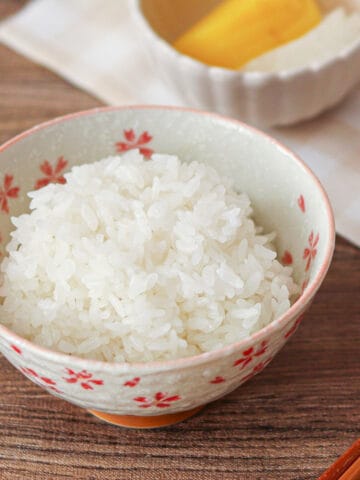
- 5.6 oz cooked Japanese short-grain rice (about 1 Japanese rice bowlful)
- 1 oz carrot
- 2 shiitake mushrooms
- 1 green onion / scallion
- 1 egg
- 1 ½ cup dashi broth (Please refer to the linked page for instructions on how to make it. For plant-based options, see the pages on Kombu Dashi and Shiitake Dashi.)
- ⅓ tsp salt
- ½ Tbsp soy sauce
Instructions
🕒 Total: 15 mins
Step 1
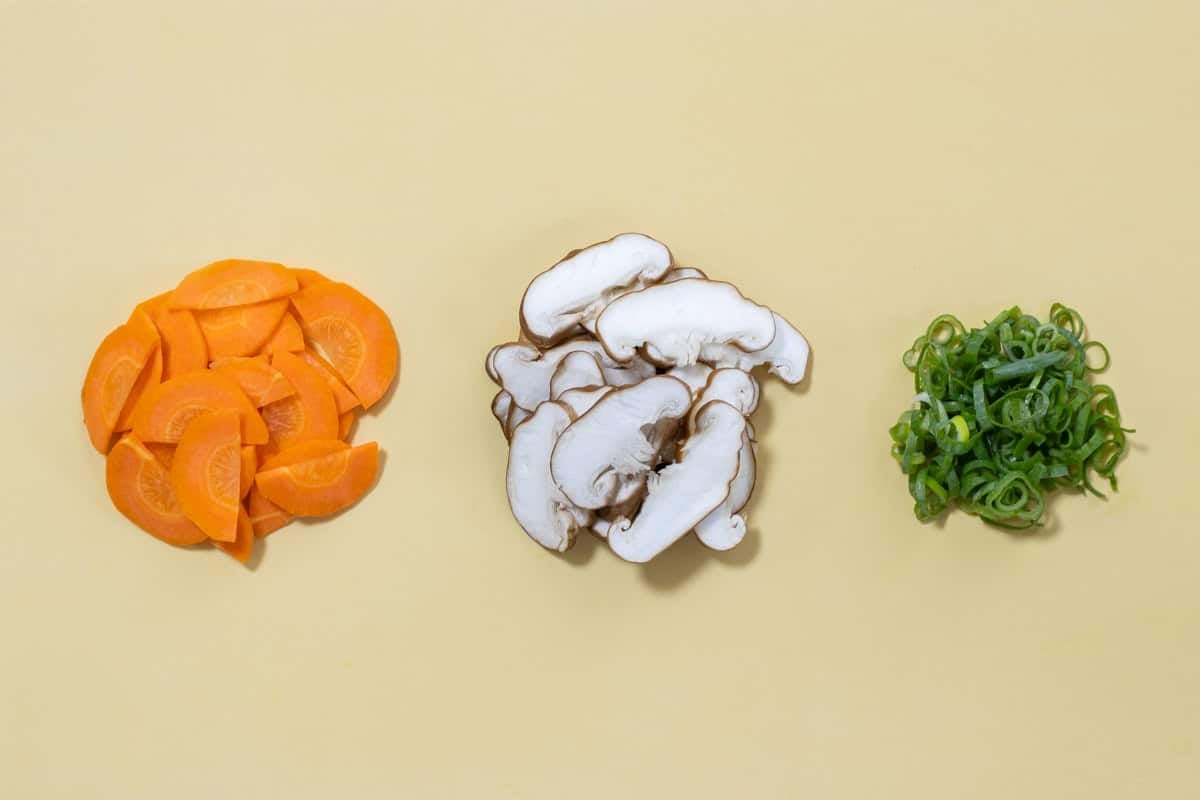
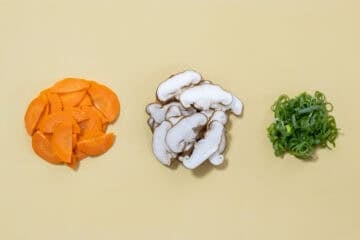
Cut the carrot into thin, bite-sized pieces. Remove the stems from the shiitake mushrooms and thinly slice the caps. Thinly slice the green onion.
Step 2 (optional)
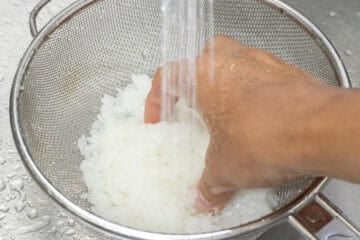
Add the cooked rice to a colander and rinse it under running water, gently stirring it with your hand, for about 30 seconds to remove excess starch from the surface.
This step helps give your zosui a lighter, cleaner texture. If you prefer a thicker, porridge-like consistency, you can skip this step.
Step 3
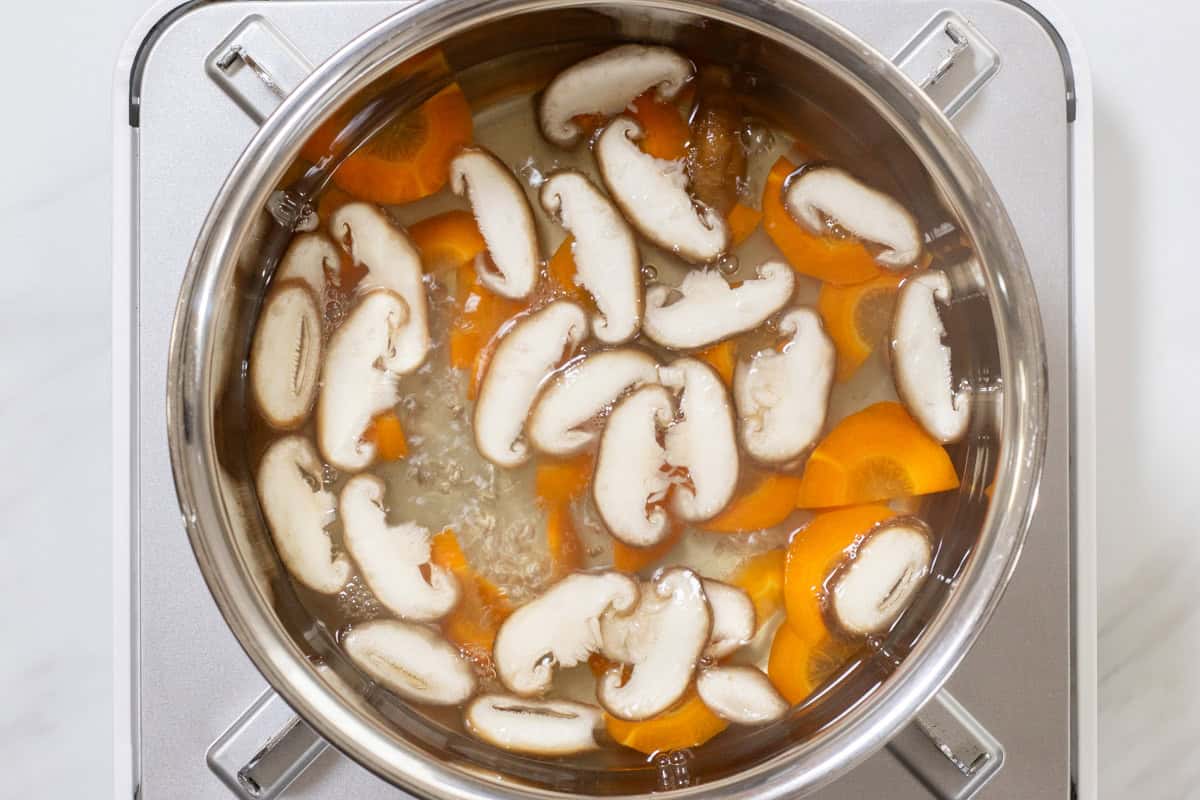
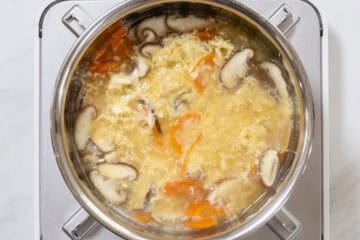
Add the carrot, shiitake mushrooms, and dashi to a pot and bring to a boil. Once boiling, reduce the heat to low and simmer for about 3 minutes.
Step 4
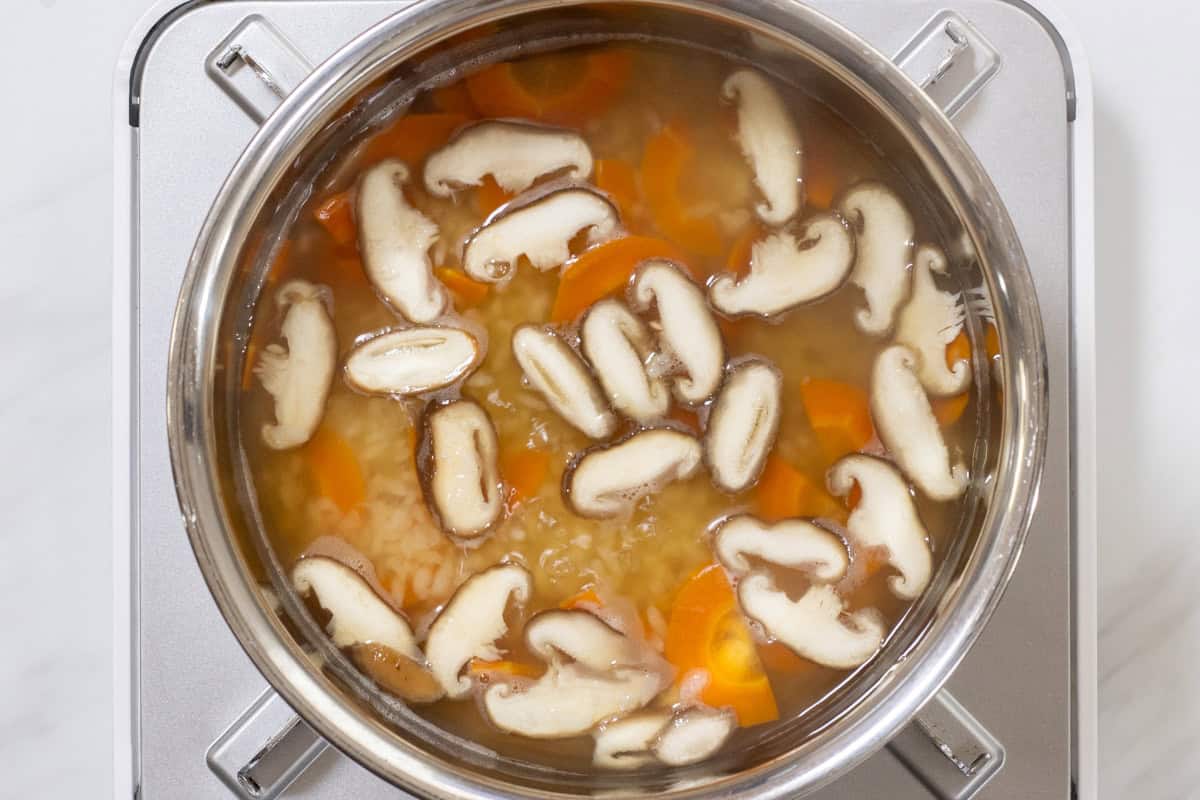
Add the rice, salt, and soy sauce to the pot, stir to combine, and bring the mixture to a boil again. Once boiling, reduce the heat to low and simmer for about 3 minutes. (If you prefer a thicker consistency, simmer the mixture a little longer.)
Step 5
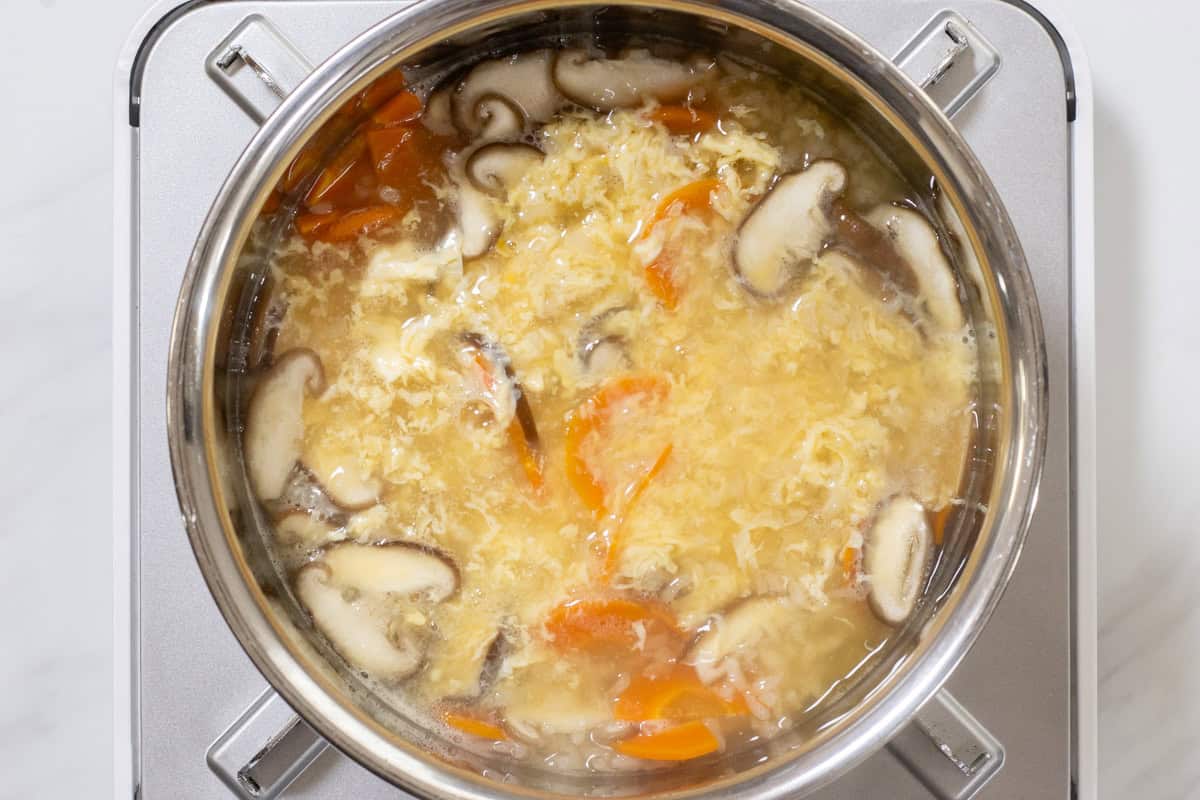
Crack the egg into a bowl and beat it. Increase the heat to medium and slowly drizzle the beaten egg into the pot in a circular motion. Once the egg begins to set, gently stir everything together and remove the pot from the heat.
Step 6
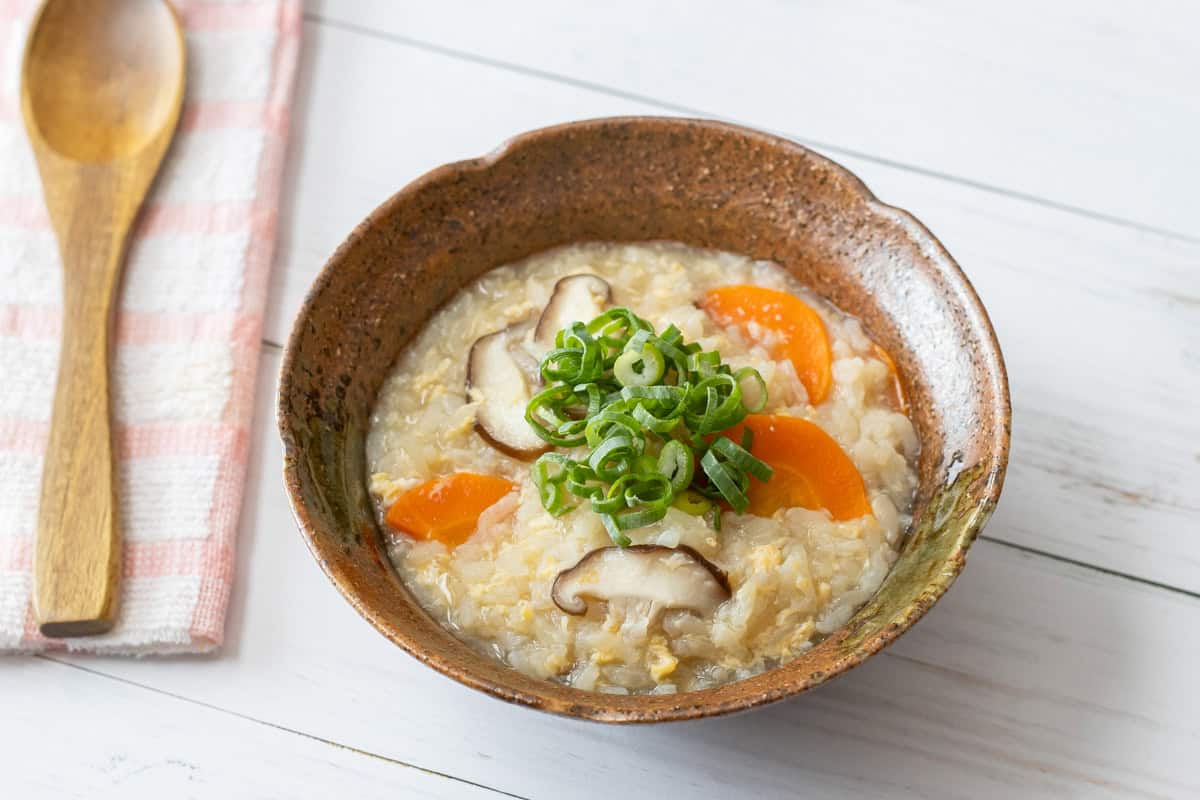
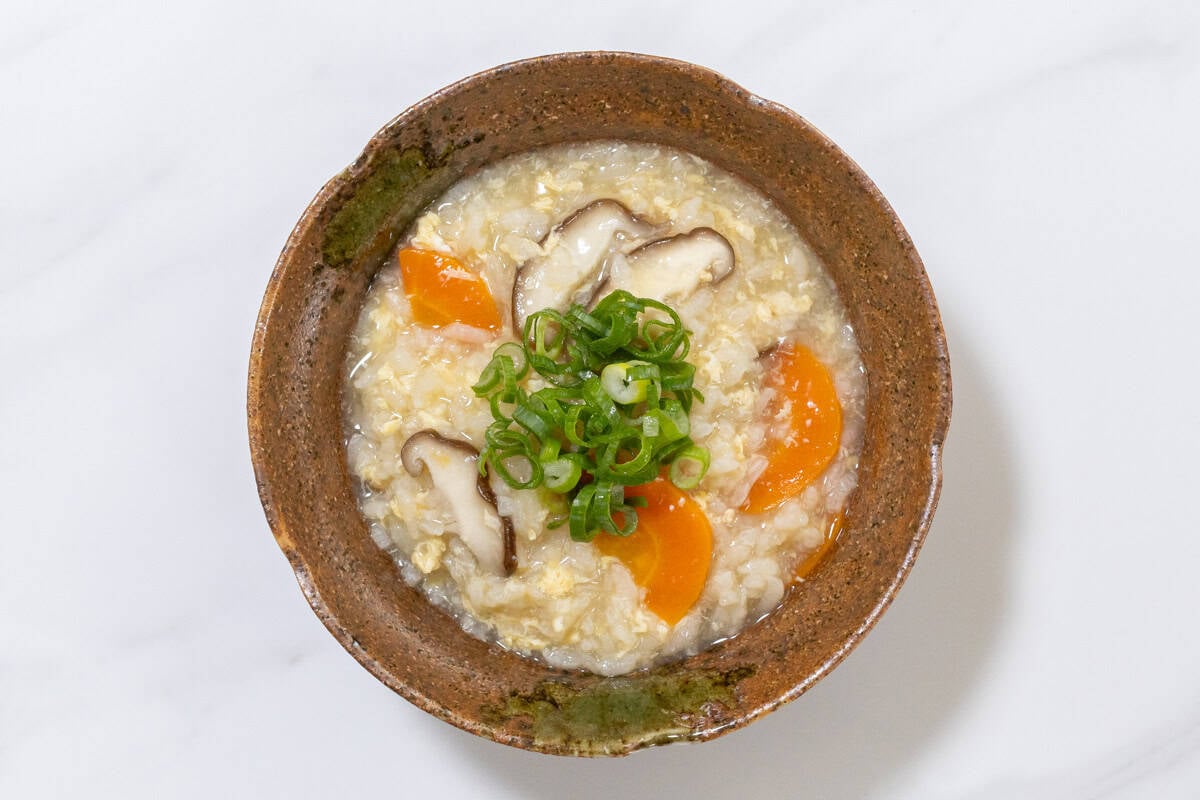
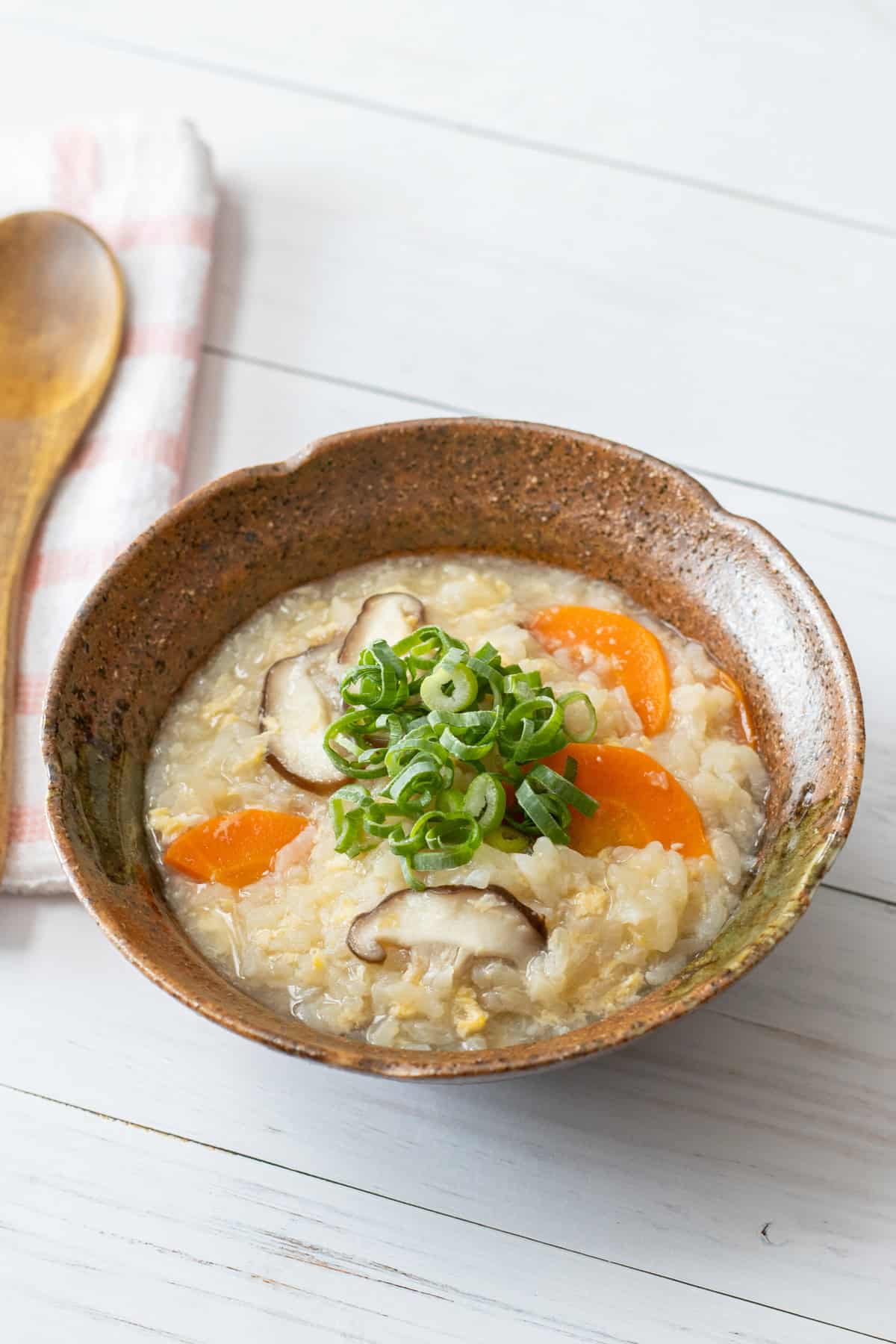
Ladle the zosui into serving bowls and sprinkle with the green onion.
How to store
The dish will keep in the refrigerator for up to 1 day.
Another way to enjoy Zosui
Another way to enjoy zosui that you should definitely know about is to use it to finish off a Japanese hot pot meal (nabemono).
In Japan, it is common to make zosui by adding cooked rice to the leftover broth after a hot pot meal. The broth is packed with flavors from the meat, fish, vegetables, and other ingredients that have been simmering in it. By adding rice, you get to enjoy all those flavors that have infused the broth. Rather than making zosui as a dish on its own, this is more like enjoying it as the final part of a hot pot meal, but it is also a very traditional and delicious way to make it.
Instead of simply throwing away the leftovers, making the most of every last bit of a meal is an important aspect of Japanese food culture. So, when you have a Japanese hot pot meal (nabemono) at home, be sure to have some cooked rice ready and give zosui a try at the end.
I hope you enjoy this recipe!
If you try it, I’d love to hear how it turned out. Please leave a review 💬 and a star rating ⭐ in the comment below. Your support and feedback means so much to me!
More Japanese rice recipes you'll love
FAQ
Yes, you can.
Zosui is made by simmering cooked rice in dashi broth and seasoning it, while okayu is made by cooking rice (either raw or cooked) in water and keeping the seasoning light. Zosui is often enjoyed for dinner, whereas okayu is more commonly served for breakfast or when you’re feeling under the weather.
Printable Recipe Card
Zosui (Japanese Rice Soup)
Ingredients
- 5.6 oz cooked Japanese short-grain rice (about 1 Japanese rice bowlful)
- 1 oz carrot
- 2 shiitake mushrooms
- 1 green onion / scallion
- 1 egg
- 1 ½ cup dashi broth (Please refer to the linked page for instructions on how to make it. For plant-based options, see the pages on Kombu Dashi and Shiitake Dashi.)
- ⅓ tsp salt
- ½ Tbsp soy sauce
Instructions
- Cut the carrot into thin, bite-sized pieces. Remove the stems from the shiitake mushrooms and thinly slice the caps. Thinly slice the green onion.

- Add the cooked rice to a colander and rinse it under running water, gently stirring it with your hand, for about 30 seconds to remove excess starch from the surface.This step helps give your zosui a lighter, cleaner texture. If you prefer a thicker, porridge-like consistency, you can skip this step.
- Add the carrot, shiitake mushrooms, and dashi to a pot and bring to a boil. Once boiling, reduce the heat to low and simmer for about 3 minutes.
- Add the rice, salt, and soy sauce to the pot, stir to combine, and bring the mixture to a boil again. Once boiling, reduce the heat to low and simmer for about 3 minutes. (If you prefer a thicker consistency, simmer the mixture a little longer.)
- Crack the egg into a bowl and beat it. Increase the heat to medium and slowly drizzle the beaten egg into the pot in a circular motion. Once the egg begins to set, gently stir everything together and remove the pot from the heat.
- Ladle the zosui into serving bowls and sprinkle with the green onion.


Notes
- The dish will keep in the refrigerator for up to 1 day.


Leave a Rating and a Comment