

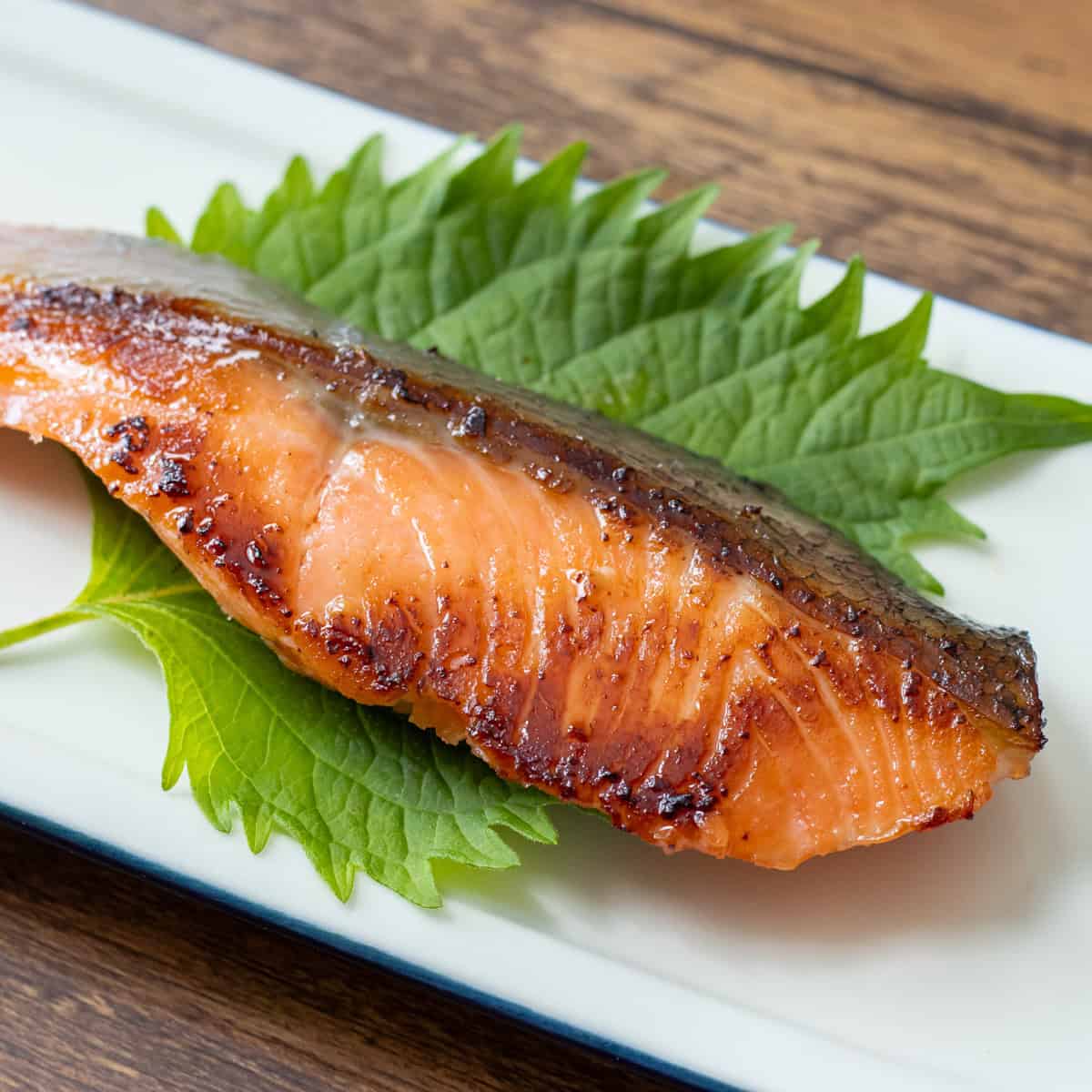
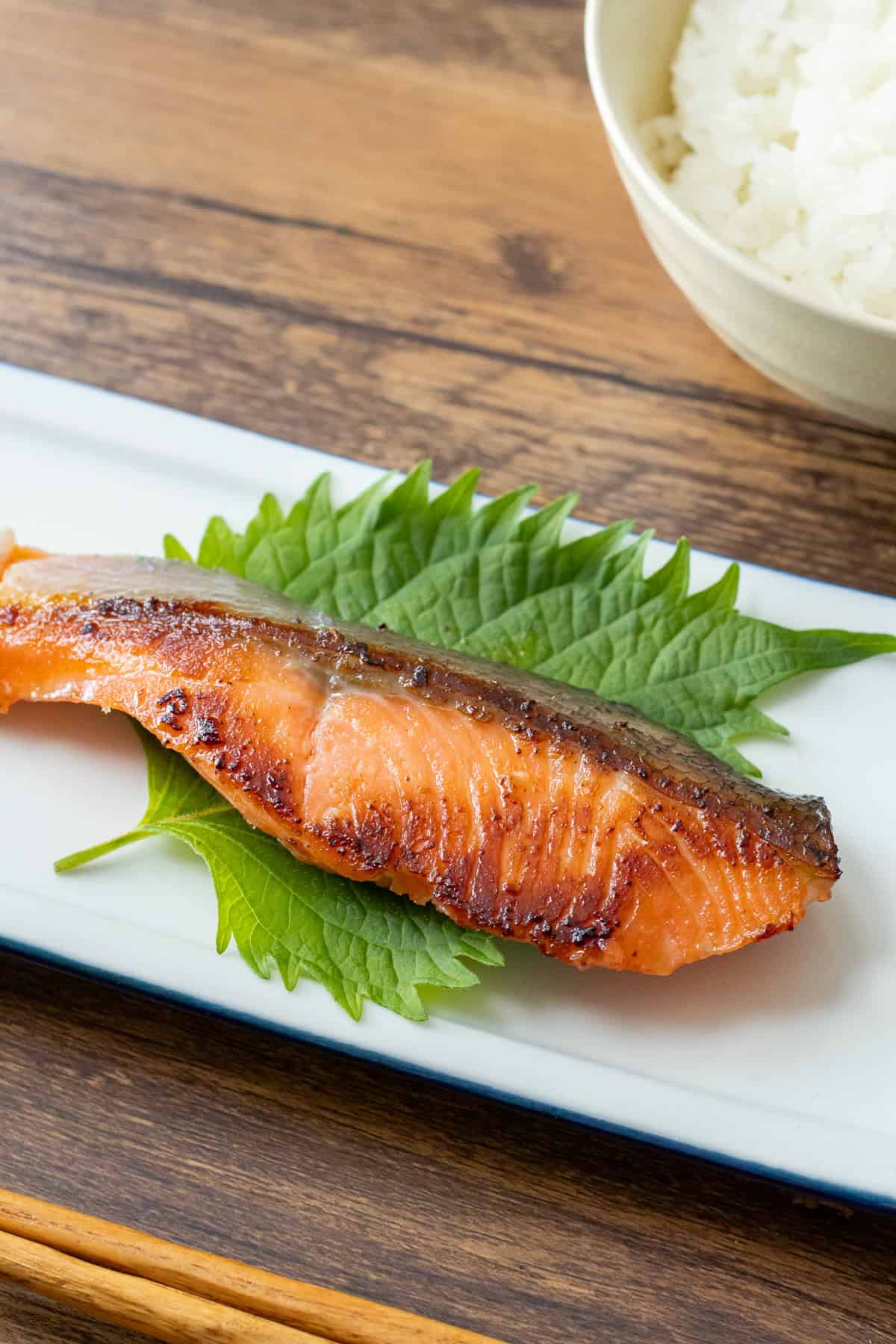
If you are looking for a delicious way to enjoy fish with deep, umami-rich flavor, Saikyo Yaki is an excellent choice. The delicate sweetness and umami of white miso enhance the fish's natural flavor, creating a perfectly balanced dish with a caramelized exterior while remaining tender, moist, and flavorful throughout.
Jump to:
What is Saikyo Yaki?
Saikyo Yaki is a traditional Japanese dish made by marinating fish fillets in a seasoning based on white miso called saikyo miso, and then grilling them. “Saikyo” refers to the Western Capital, a historical name for Kyoto, and “Yaki” means “grilled.” The dish takes its name from saikyo miso, which was developed in Kyoto and is made with plenty of rice koji.
What makes this dish so special is the way the saikyo miso marinade infuses the fish with delicate sweetness and deep umami. Originally, this method of marinating fish in saikyo miso is believed to have developed in Kyoto, a city far from the sea, as a way to preserve fish while enhancing its flavor. Over time, it evolved from a preservation method into a technique for infusing ingredients with the flavor and umami of the miso. In modern Japan, saikyo yaki, prepared using this method, has become a beloved staple dish thanks to its rich umami flavor, and today even meat prepared in the same way is sometimes called saikyo yaki.
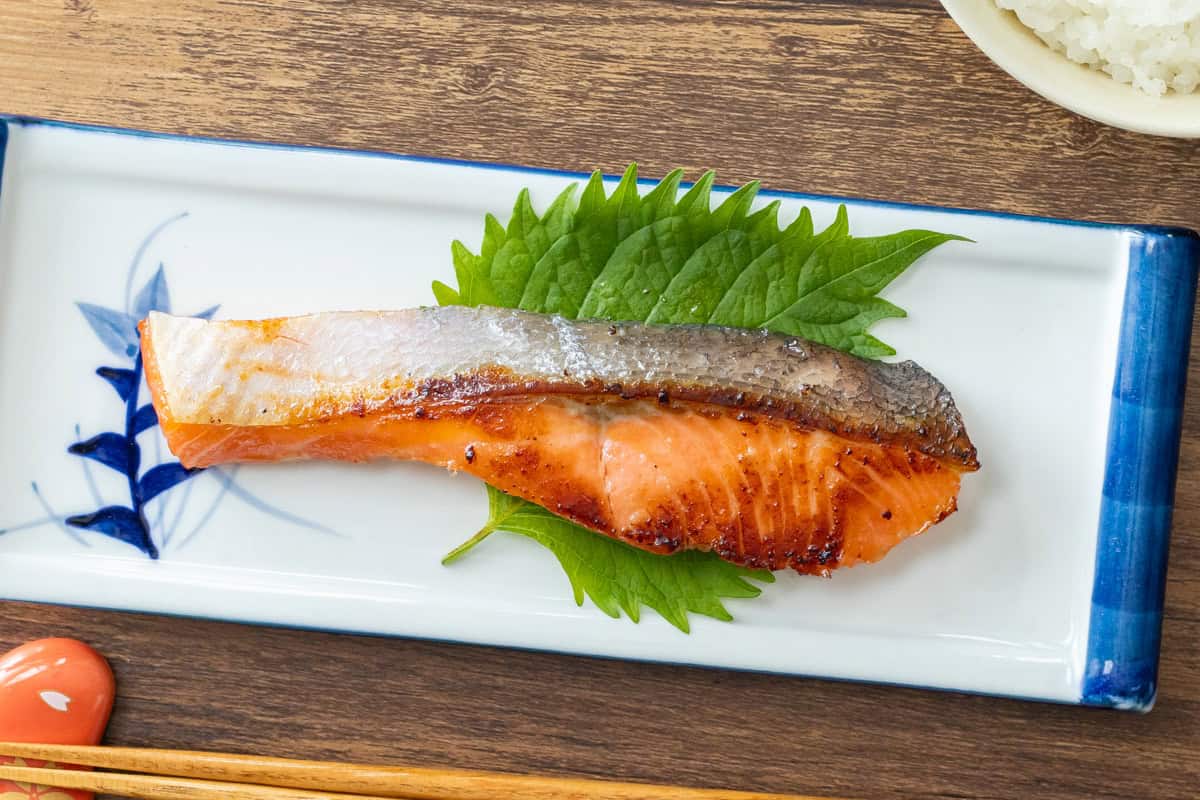
Although it requires time to marinate, the actual hands-on time is minimal. Here, I have used salmon—one of the most popular choices for saikyo yaki—in the recipe, but feel free to try it with your favorite fish.
Preparing Misodoko for Saikyo Yaki
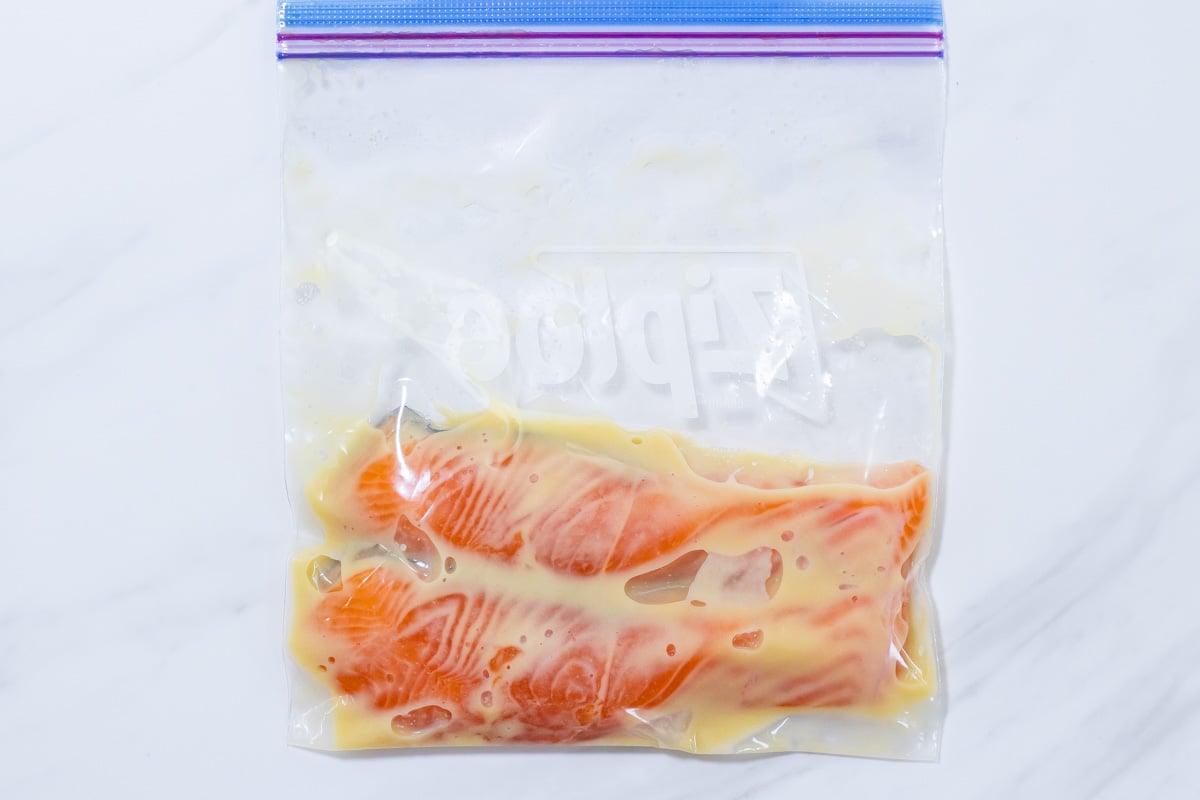
The rich, deep flavor of saikyo yaki comes from marinating fish fillets in a seasoning mixture based on saikyo miso. In Japan, a miso-based mixture like this is called misodoko, a pickling bed or marinade primarily made of miso and used to infuse ingredients with flavor. For saikyo yaki, it is typically made with:
- Saikyo miso (Kyoto-style white miso)
- Sake
- Mirin
- Sugar
Simply mix these ingredients together until smooth, and the misodoko for saikyo yaki is ready. Since saikyo miso is naturally sweeter and lower in salt than other types of miso, the recommended marinating time is about 24 to 48 hours.
That said, some of you may not have access to saikyo miso where you live. In that case, regular white miso makes an excellent substitute. By adding a little more sugar and mirin, you can create a flavor that closely resembles saikyo miso. This substitution is also used in Japanese households, so don't hesitate to give it a try.
How to prevent the miso from burning
Marinate the fish fillets in misodoko in the refrigerator for 24 to 48 hours, then cook them, and your saikyo yaki is ready to enjoy. However, there are two important points to keep in mind: wipe off the miso, and control the cooking temperature.
The white miso coating the fish burns very easily, as it contains a lot of sugar. If it burns too much, not only will it ruin the flavor, but it can also turn bitter and make it hard to taste the fish itself. There is also a risk that the outside will become charred while the inside remains undercooked.
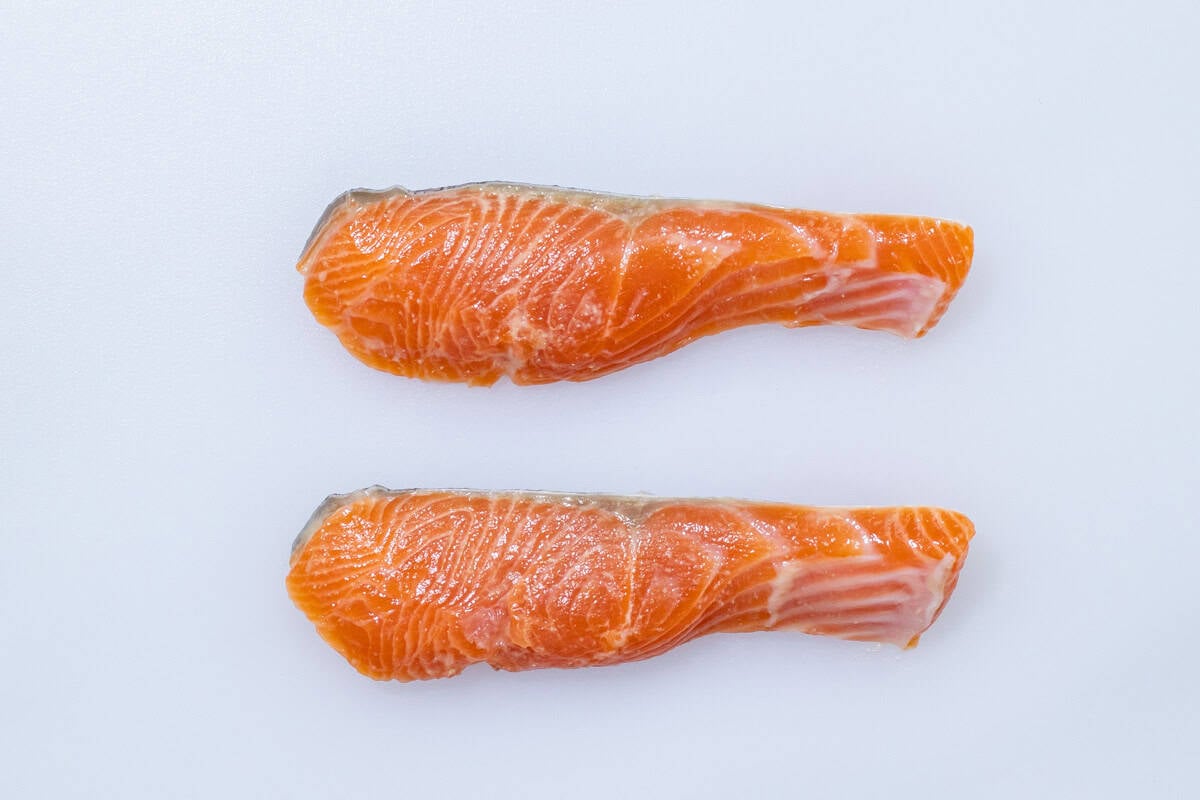
To avoid these issues, first thoroughly wipe the miso off the fish. The umami and flavor have already been absorbed into the flesh, so you don’t need to worry about losing any flavor.
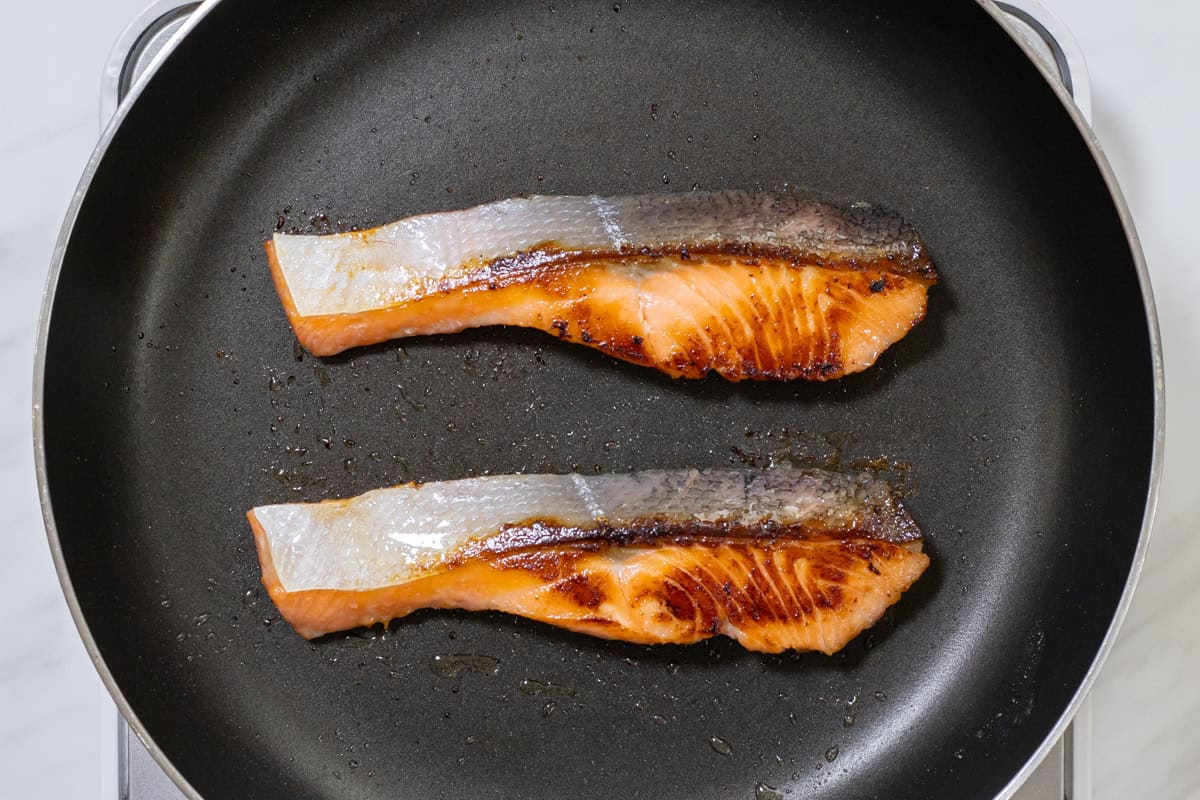
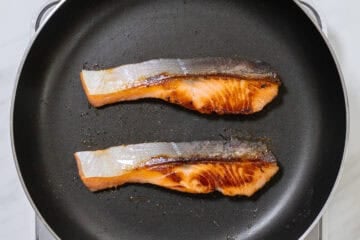
Then cook it slowly over low heat. Cooking time depends on the thickness of the fish and the type of pan, but as a general guideline, cook it for about 4 to 6 minutes per side. The key is to cook it gently without letting it burn.
If you want to check for doneness, insert a skewer into the thickest part of the fish and make sure the juices run clear. Alternatively, cut into it and make sure the center is no longer raw. Once the fish is cooked through without burning, it's done.
What fish to use
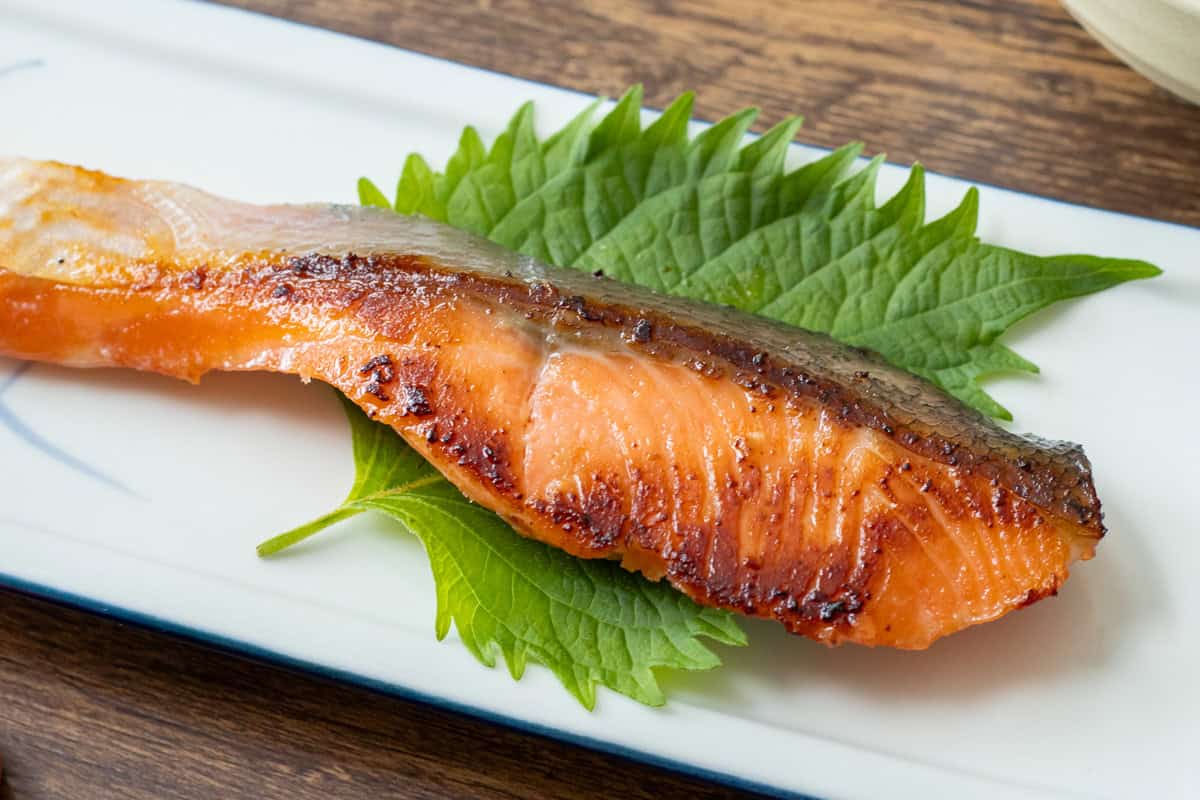
While I used salmon in this recipe, you can also make saikyo yaki with other types of fish. In Japan, the fish most commonly used for this dish include:
- Salmon
- Spanish mackerel
- Black cod
- Yellowtail
- Flounder
Many types of fish work well, but the dish pairs especially well with fattier varieties. Feel free to experiment with whatever fresh fish is available in your area.
📋Step-by-step recipe
Ingredients
- 2 fish fillets (Japanese-style thickness, about ⅗-1 inch/ 1.5-2.5 cm thick; salmon, Spanish mackerel, black cod, yellowtail, and flounder are popular choices in Japan)
- ½ tsp salt (to reduce the fishy smell)
- 3 Tbsp saikyo white miso or regular white miso
- ½ Tbsp sake
- ½ Tbsp mirin
- ¾ tsp sugar (If using regular white miso, increase the amount by about 25-75%, depending on how salty your miso is.)
Instructions
🕒 Total: 1 day 30 mins
Step 1
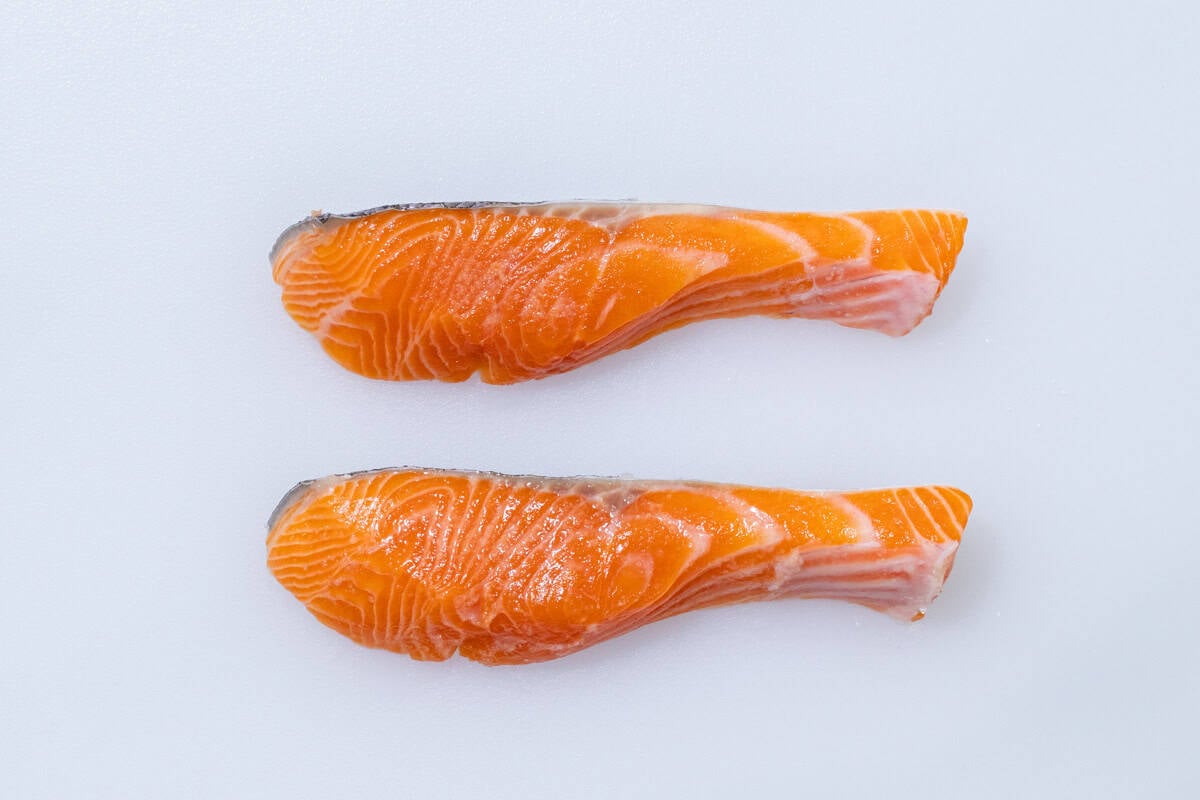
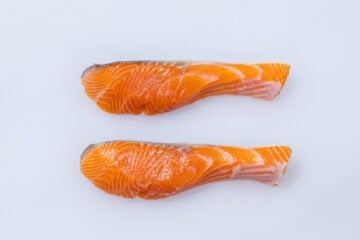
Sprinkle salt over the fish fillets and let them sit for about 15-30 minutes to draw out excess moisture and reduce any fishy smell. Then, pat the fillets dry.
Step 2
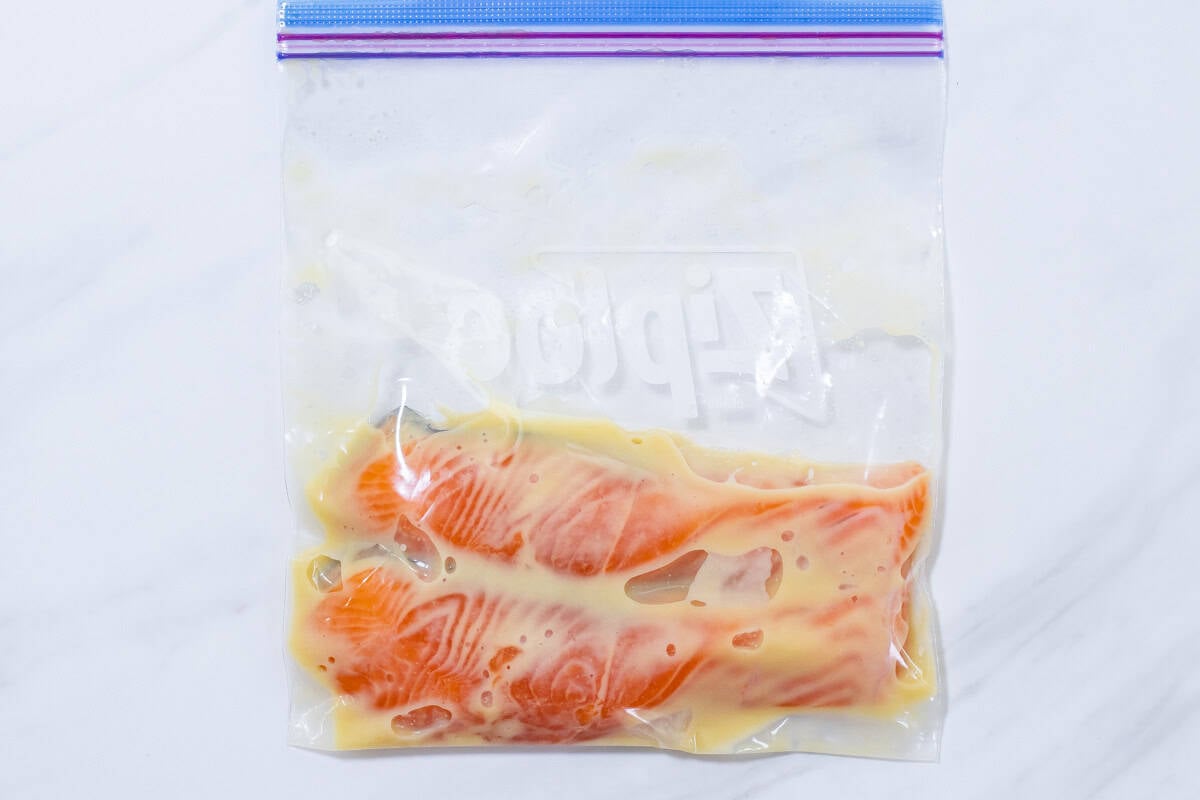
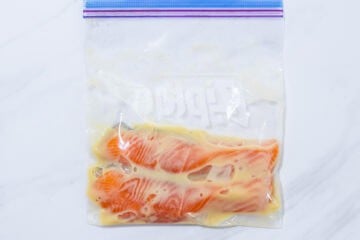
In a small bowl, combine saikyo miso (or regular white miso), sake, mirin, and sugar, and mix well until smooth. Evenly spread the miso marinade over both sides of the fillets, then place them in a zip-top bag. Seal the bag, pressing out as much air as possible, and let it sit in the refrigerator for 24-48 hours to allow the flavors to infuse.
Step 3
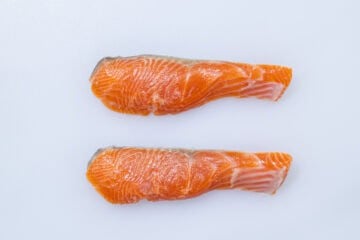
Remove the fillets from the bag and thoroughly wipe off any excess miso marinade.
Step 4
Heat oil in a pan over low heat. Once the pan is hot, add the fish skin-side down and cook gently for about 4-6 minutes per side (depending on the thickness of the fillets and the type of pan used), until cooked through, taking care not to let the miso burn.
How to store
The dish will keep in the refrigerator for up to 2 days.
Cooking tips
- Thoroughly wipe any excess miso marinade off the fish before cooking.
- Cook the fish gently over low heat.
The versatility of Misodoko
Misodoko (a miso-based seasoning mixture like the one used in this recipe) is used not only for marinating fish but also for meat, vegetables, and other ingredients.
For example, in Pork Misoyaki, pork is marinated in misodoko before cooking, allowing the rich umami and depth of flavor to infuse the meat and create a deeply flavorful dish. Among vegetable dishes, Misozuke (miso pickles) is one of the most well-known examples, in which the umami-rich flavor of miso is absorbed by the vegetables and creates a distinctive taste that sets it apart from other Japanese pickles.
In this way, misodoko is a versatile seasoning base that can be used with a wide variety of ingredients and plays an important role in Japanese culinary culture. In particular, saikyo yaki and the two dishes mentioned above are staples of Japanese cuisine, so be sure to check out the recipes on the linked pages.
I hope you enjoy this recipe!
If you try it, I’d love to hear how it turned out. Please leave a review 💬 and a star rating ⭐ in the comment below. Your support and feedback means so much to me!
More fish recipes you'll love
FAQ
You can use it in dishes where the miso will be thoroughly cooked. However, if you plan to use it again for marinating, it's generally best not to reuse it for food safety reasons.
Printable Recipe Card
Saikyo Yaki (White Miso Marinated Grilled Fish)
Ingredients
- 2 fish fillets (Japanese-style thickness, about ⅗-1 inch/ 1.5-2.5 cm thick; salmon, Spanish mackerel, black cod, yellowtail, and flounder are popular choices in Japan)
- ½ tsp salt (to reduce the fishy smell)
- 3 Tbsp saikyo white miso or regular white miso
- ½ Tbsp sake
- ½ Tbsp mirin
- ¾ tsp sugar (If using regular white miso, increase the amount by about 25-75%, depending on how salty your miso is.)
Instructions
- Sprinkle salt over the fish fillets and let them sit for about 15-30 minutes to draw out excess moisture and reduce any fishy smell. Then, pat the fillets dry.

- In a small bowl, combine saikyo miso (or regular white miso), sake, mirin, and sugar, and mix well until smooth. Evenly spread the miso marinade over both sides of the fillets, then place them in a zip-top bag. Seal the bag, pressing out as much air as possible, and let it sit in the refrigerator for 24-48 hours to allow the flavors to infuse.
- Remove the fillets from the bag and thoroughly wipe off any excess miso marinade.
- Heat oil in a pan over low heat. Once the pan is hot, add the fish skin-side down and cook gently for about 4-6 minutes per side (depending on the thickness of the fillets and the type of pan used), until cooked through, taking care not to let the miso burn.
Notes
- The dish will keep in the refrigerator for up to 2 days.
Leave a Rating and a Comment